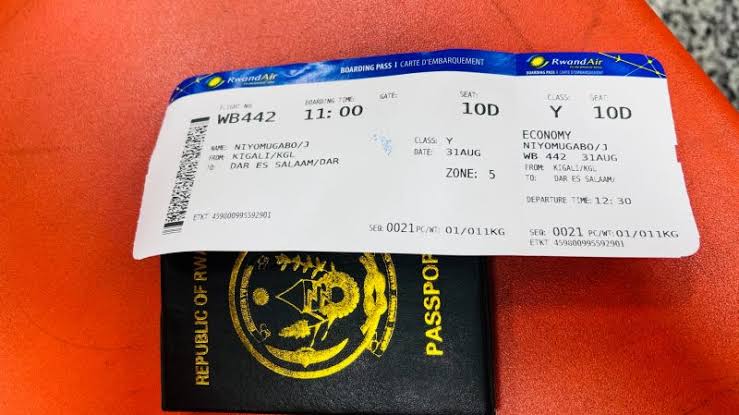
Most passengers glance at their boarding pass only to check the gate number, boarding time, and seat assignment.
But hidden among the letters and numbers are important codes that can determine whether you’ll face extra security, receive a seat at the last minute, or even lose your place on an overbooked flight.
Understanding these codes can save you time, reduce stress, and help you avoid unpleasant surprises at the airport.
1. SSSS – Secondary Security Screening Selection



If your boarding pass displays SSSS, it stands for Secondary Security Screening Selection. This means you’ve been selected for additional security checks before boarding.
The selection is usually random, although certain travel patterns may also trigger it. Expect extra baggage inspections, swab tests, or additional questioning. To avoid missing your flight, arrive at the airport at least 30 to 40 minutes earlier than you normally would.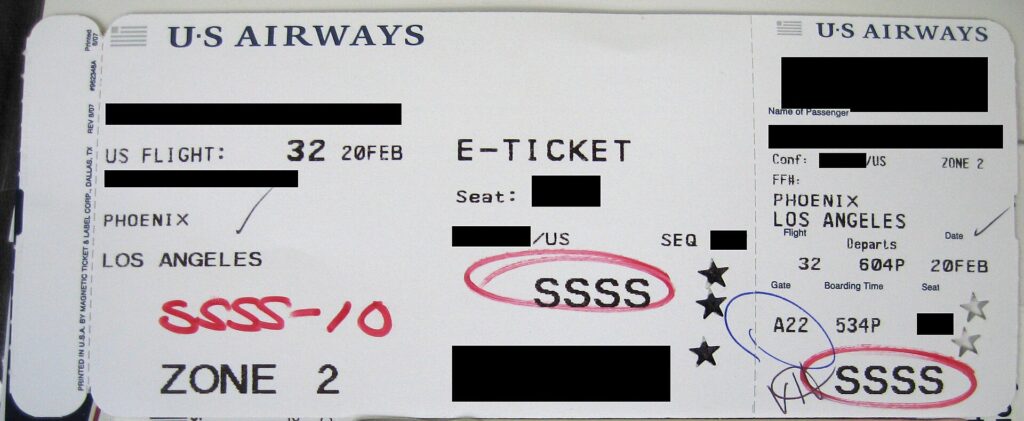




2. STBY, WL, or GTE – Standby, Waitlist, or Gate Assignment
These codes mean you have not yet been assigned a confirmed seat.
- STBY: Standby
- WL: Waitlist
- GTE: Seat will be assigned at the gate
This commonly happens when a flight is nearly full or oversold. Stay close to your departure gate and pay attention to announcements, as your seat may only be allocated shortly before boarding.
3. DOCS, ADOC, or RAQ – Additional Documents Required


These codes indicate that the airline needs to verify your travel documents before allowing you to board.
Depending on your destination, you may need to present your passport, visa, residence permit, vaccination certificate, return ticket, or other entry documents. If you notice one of these codes, head to the airline’s service desk early instead of waiting until boarding begins.
4. SEQ – Your Check-in Sequence Number
SEQ stands for Sequence and indicates the order in which you checked in.
For example:
- SEQ 0001 means you were the first passenger to check in.
- A higher sequence number means you checked in later.
Many travelers overlook this number, but it can become very important if a flight is overbooked.
5. Why Airlines Overbook Flights
Most airlines deliberately sell more tickets than there are seats because experience shows that some passengers cancel, miss their flights, or simply never arrive.
For example, an aircraft with 240 seats may have 250 confirmed bookings. Normally, enough passengers fail to show up for everyone else to travel without any issue.
Problems arise only when every passenger turns up.
The airline will usually ask for volunteers willing to take a later flight in exchange for compensation such as cash, travel vouchers, meals, or hotel accommodation.
If no one volunteers, some passengers may be denied boarding.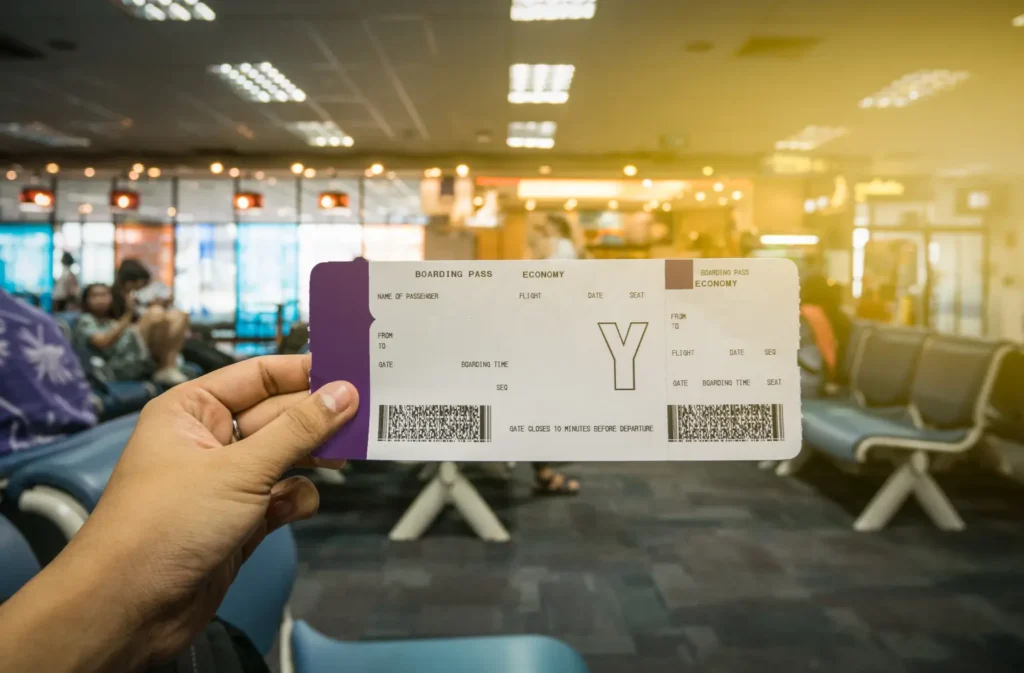

6. INVOL – Involuntary Rebooking
If your boarding pass shows INVOL, it means you have been involuntarily rebooked onto another flight.
Although you had a confirmed reservation, the airline moved you because the original flight was oversold or disrupted.
Depending on the airline and the laws of the country where you’re traveling, you may be entitled to compensation, refreshments, hotel accommodation, or alternative transportation.
7. Check In Early; It Could Save Your Seat
One of the easiest ways to reduce the chances of being bumped from an overbooked flight is to check in online the moment it opens; usually 24 hours before departure.
Passengers with earlier SEQ numbers generally have a better chance of keeping their seats than those who check in at the last minute.
A simple two-minute online check-in could save hours of inconvenience later.
8. PNR – Passenger Name Record
Your PNR (Passenger Name Record), also called your booking or reservation reference, contains the details linked to your trip.
Never post a photo of your boarding pass on social media unless you have completely hidden both the PNR and the barcode.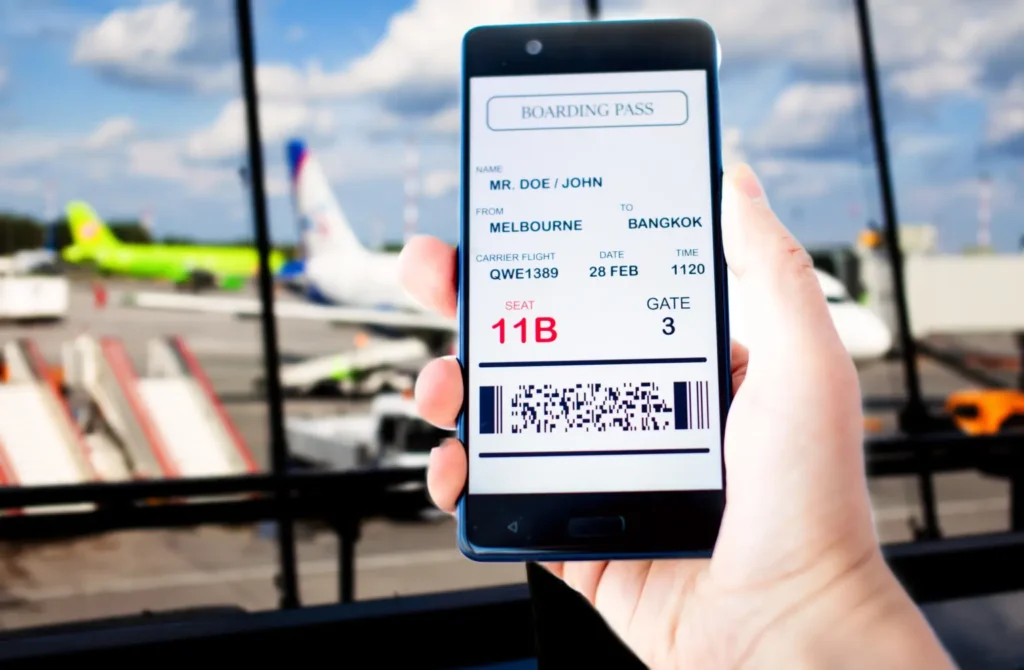

Someone with access to either may be able to retrieve your booking, view your itinerary, change your reservation, select seats, or even cancel your flight.
Once your journey is complete, don’t simply throw your boarding pass into a public trash bin. Shred it or dispose of it securely to protect your personal information.
The Bottom Line
Your boarding pass is much more than a ticket; it is a travel document packed with useful information. Understanding these hidden codes can help you prepare for additional security checks, avoid delays, improve your chances of keeping your seat on busy flights, and protect yourself from identity theft.
The next time you fly, don’t just look at your seat number. Take a closer look at the codes; you might discover information that saves you time, money, and unnecessary stress.