


Catholic Relief Services (CRS) has called for stronger and more tailored support for rural youth enterprises, saying the next phase of its work must focus on helping young entrepreneurs move beyond business readiness and achieve sustainable growth.
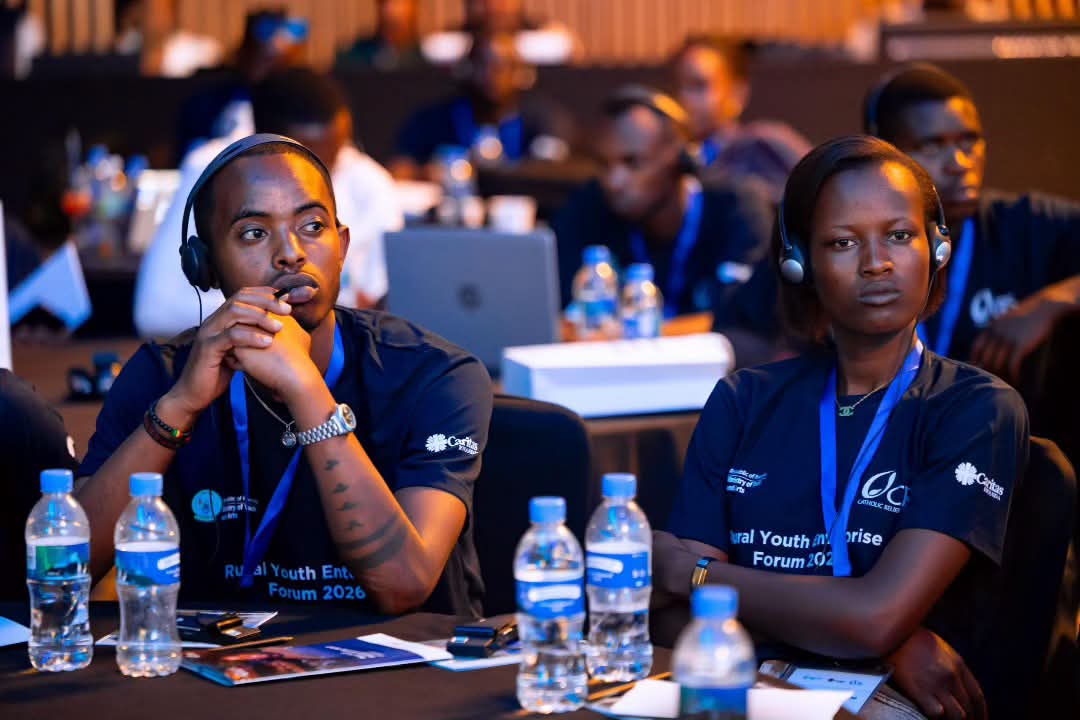
The call was made during the Rural Youth Enterprise Forum (RYEF) 2026 High-Level Forum, which brought together government officials, development partners, entrepreneurs and other stakeholders to discuss ways of strengthening opportunities for young people in rural areas.
Kumud Chandra, CRS Rwanda Country Manager, said the organisation’s work with young people over the past 16 years has laid an important foundation for the next stage of development.
> “Over the last 16 years, CRS projects have reached and supported more than 102,000 young people,” Chandra said.
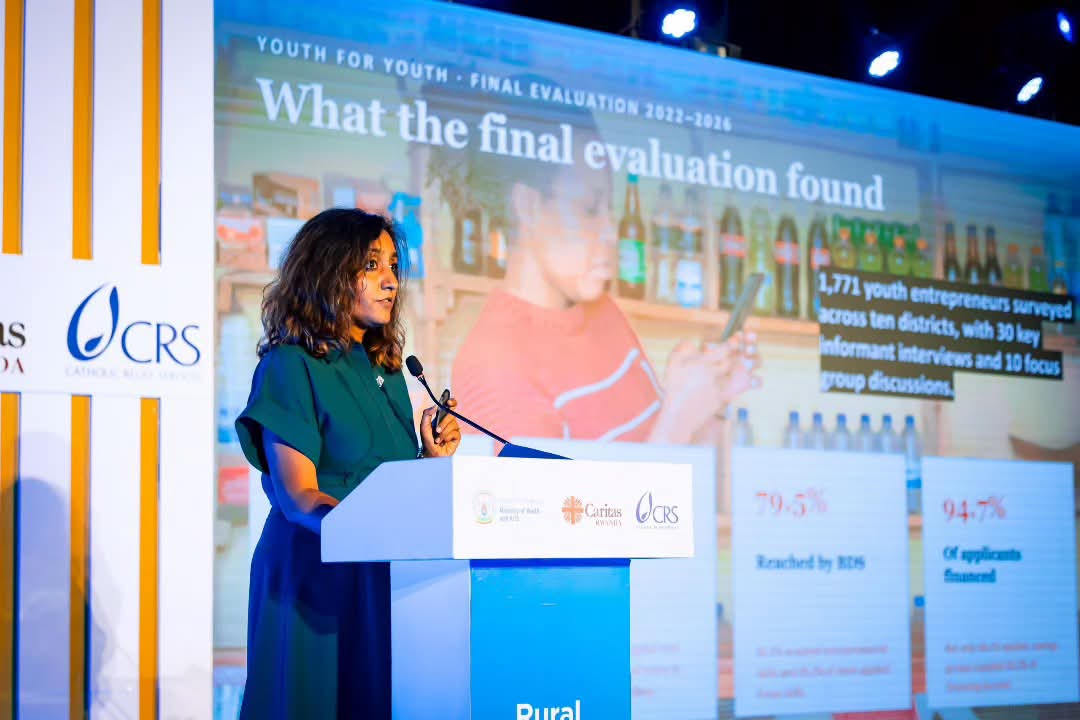

He explained that CRS’ approach has evolved over time, moving from programmes focused mainly on preparing young people for opportunities to strengthening broader systems that can help enterprises grow.
“Our journey has evolved from readiness programmes to strengthening systems around finance and digital solutions,” he said.
According to Chandra, the progress made so far demonstrates the importance of creating an environment where rural businesses can access the right financial and digital tools.
“The foundations have been set — but growth is the next frontier,” he said, stressing the need for support that reflects the realities of individual businesses.
He said rural enterprises differ in their needs, size and ambitions, meaning that a one-size-fits-all approach may not be sufficient to help them scale.
The forum also focused on turning lessons and discussions from previous interventions into practical partnerships and action.
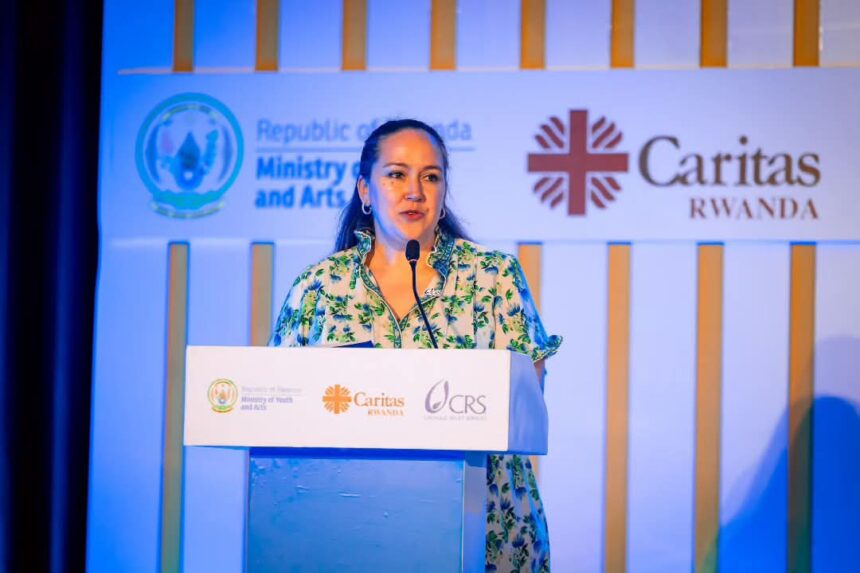
Caroline Agalheir, CRS Deputy Regional Director for Central and West Africa (CWARO), said the gathering should help put rural young people at the centre of efforts to create sustainable economic opportunities.
> “Today’s forum is another step toward centering rural young people and building the partnerships needed to act on what we have learned,” Agalheir said.
She described the forum as a call for stakeholders to move beyond discussions and work together on solutions that can respond to the needs of rural youth.
“This forum is therefore an invitation to move from dialogue to action in the service of a shared agenda,” she added.
Entrepreneurs showcase solutions
The forum was complemented by the Rural Youth Enterprise Exhibition, where young entrepreneurs are presenting their businesses, innovations and experiences to policymakers, development partners and other guests.
The exhibition provided an opportunity for participants to interact directly with rural young innovators and learn about the businesses they have established, the challenges they face and the support required to expand their operations.
Among those visiting the exhibition was the Guest of Honour, Minister of Youth and Arts, Dr. Utumatwishima Jean Nepo Abdallah, who joined other stakeholders in engaging with young entrepreneurs.
The exhibition highlights the practical side of the forum’s agenda, giving rural youth an opportunity to demonstrate how their businesses are contributing to local economies while also drawing attention to the barriers that continue to limit their growth.
With more than 102,000 young people reached through CRS projects over 16 years, the organisation says the focus is now shifting toward creating stronger pathways for rural enterprises to access finance, digital solutions, partnerships and other resources needed to scale.
The discussions at RYEF 2026 therefore seek to build on existing foundations while encouraging stakeholders to translate commitments into concrete support for rural young entrepreneurs