


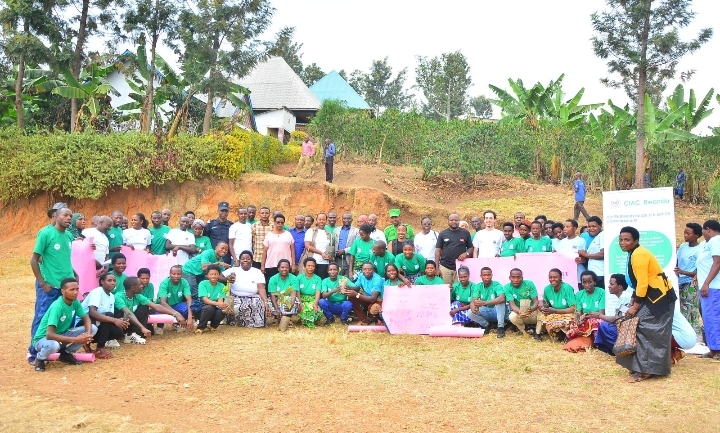
A non-governmental organization dedicated to promoting sustainable, inclusive community development and environmental stewardship across Rwanda- Centre d’Intervention et d’Action Communautaire (CIAC Rwanda) has officially launched Agroforestry and Farmers’ Planning for Livelihood Improvement and Landscape Restoration in Rutsiro setting in motion an ambitious community-led environmental restoration programme.
The project, funded by TerraFund AFR100, the financing arm of Restore Local, was presented in Kivumu Sector, Rutsiro District, on July 28, 2026, during the CIAC Open Day. The project will work with Restore Local and local partners, including the district, to grow at least 105,000 indigenous and fruit trees, restore degraded landscapes, improve community livelihoods, and strengthen climate resilience along the Lake Kivu buffer zone .
The event also served as a public awareness campaign ahead of the large-scale tree planting activities scheduled to begin in October 2026. It mobilized local communities through competitions in songs, poems, and sketches under the theme “Nta Giti, Nta Buzima” (No Tree, No Life), using creative expressions to raise awareness about the importance of trees and environmental protection. The event brought together local communities, government institutions, and development partners to actively participate in Rwanda’s agenda of restoring degraded landscapes.
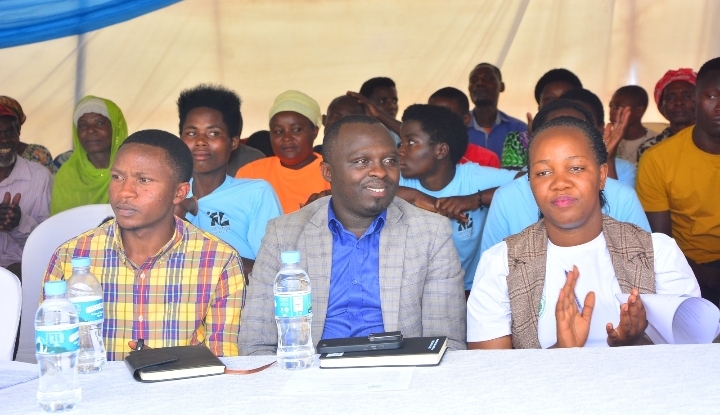

The initiative aligns with the national ambition to increase forest cover, restore degraded ecosystems and build climate resilience, while contributing to the African Forest Landscape Restoration Initiative (AFR100), under which African countries have committed to restoring 100 million hectares of degraded land by 2030.
Over the next six years, the project will restore 260 hectares of degraded landscapes, including 40 hectares within the Lake Kivu buffer zone, through community-driven agroforestry interventions designed to improve biodiversity, protect fragile ecosystems, enhance soil fertility and create sustainable livelihoods for smallholder farmers.
Beyond environmental restoration, the initiative is expected to generate more than 331 green jobs, directly benefit over 747 people and positively impact more than 4,200 additional residents through improved agricultural productivity, environmental conservation and income-generating opportunities.
The launch also sought to familiarise local authorities, government institutions, civil society organisations and community members with the project’s implementation strategy, strengthening coordination ahead of the nationwide tree planting season beginning in October.

Community at the Centre of Climate Action:
Building on CIAC Rwanda’s experience in women’s empowerment, agroecology and farmer capacity building, the project places communities at the heart of landscape restoration.
Through innovative approaches such as Agroforestry Family Plans, Women lead Village Savings and Loan Associations (VSLAs)—locally known as “Amatsinda yo Kwizigama y abagore”—and Payment for Ecosystem Services, the programme aims to transform environmental conservation into a source of household income while empowering women and young people as climate champions.
Feline Niyonasenze, representing the Executive Secretary of Kivumu Sector, said the initiative presents an opportunity for residents to become custodians of their environment while improving their livelihoods.
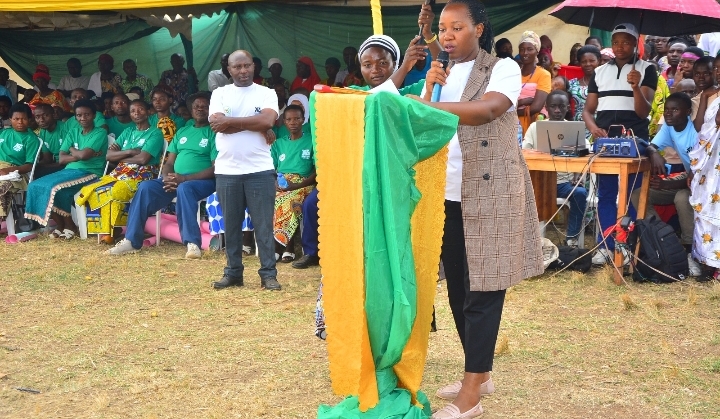

He noted that over the next six years communities will plant and nurture at least 105,000 mixed tree species, creating development opportunities across villages while strengthening youth and women’s participation through organised community groups.
“This is a community project and I ask the benefiting citizens to take care of these trees to improve the current cool weather and have a sustainable climate in this area around Lake Kivu since we have only two years left to harvest the current forest cover,” he said.

Restoring Indigenous Trees for Climate Resilience:
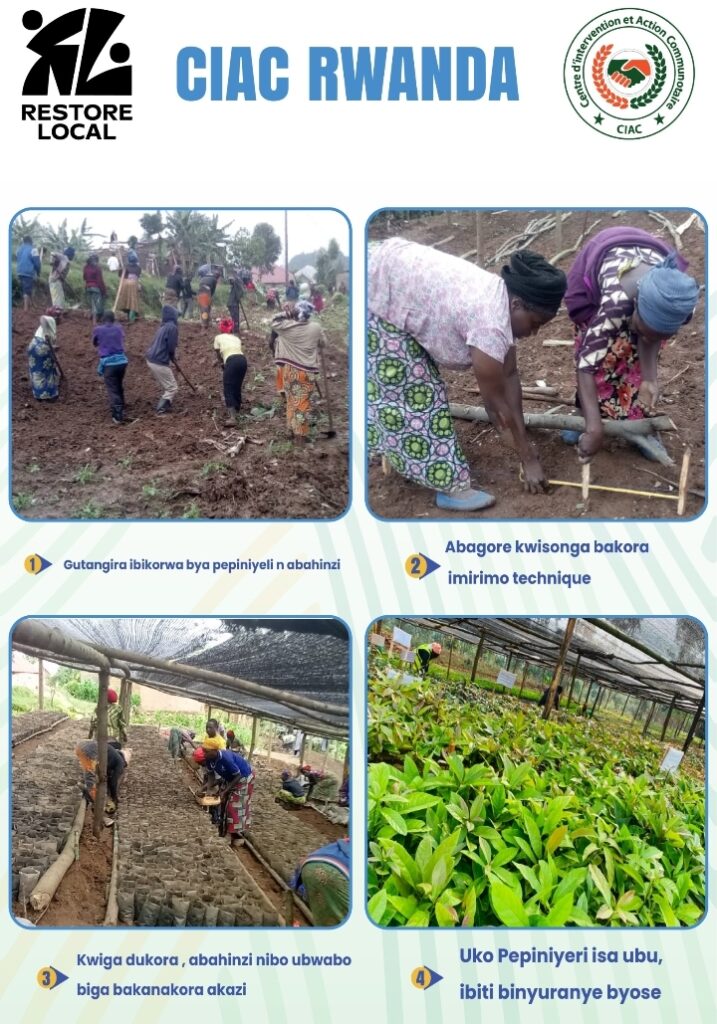
CIAC Project Coordinator Drocelle Musabyimana said implementation will prioritise indigenous tree species alongside fruit trees that are well adapted to local climatic conditions.
She explained that restoring native vegetation around Lake Kivu will contribute significantly to climate change mitigation, biodiversity conservation and sustainable agricultural production while protecting one of Rwanda’s most ecologically sensitive landscapes.
A Continental Restoration Movement:
Funding for the project comes through Restore Local, a continental initiative convened by the World Resources Institute (WRI) to accelerate locally led landscape restoration across Africa.
Restore Local supports community organisations and restoration entrepreneurs by expanding access to finance, strengthening technical capacity, improving policy engagement and enhancing impact monitoring to enable restoration at scale.
Since its launch, the initiative has supported the planting of more than 21.6 million trees and restoration of more than 50,000 hectares across Africa.
Its work currently focuses on three priority landscapes: Kenya’s Greater Rift Valley, Ghana’s Cocoa Belt, and the Lake Kivu-Rusizi River Basin spanning Rwanda, Burundi and the Democratic Republic of Congo (DRC).
The theme of the day was “Nta Giti Nta Buzima” (No Tree, No Life), highlighting the vital role trees play in sustaining life and protecting the environment.
Representing Restore Local, Tuyizere Mucyo Ndera said the success of AFR100 depends on ordinary citizens taking ownership of restoration efforts.
“No tree no life is a saying that says it all here. We need trees in every aspect of life; to get water and rains is because of trees,” he said.
“The local leadership will launch the project, but the trees are for the community to take care of so that we can have a good life, therefore we have to fight to protect these trees.”
His remarks underscored how local restoration efforts in Kivumu contribute directly to Africa’s broader commitment under AFR100, demonstrating that grassroots action is essential to achieving continental climate and biodiversity targets.
Linking Conservation with Livelihoods:
CIAC co-founder Leon Nduwayezu thanked the Government of Rwanda for creating citizen-centred policies that encourage resilience, environmental stewardship and community participation.
He urged beneficiaries to view tree planting not only as an environmental responsibility but also as an opportunity to improve household incomes and social welfare.
Recognising that many households in Kivumu still depend heavily on charcoal for cooking—a factor that contributes to deforestation—Nduwayezu announced that CIAC will distribute energy-efficient cooking stoves to participating families.
The stoves significantly reduce charcoal consumption, helping lower pressure on forests while supporting cleaner household energy.
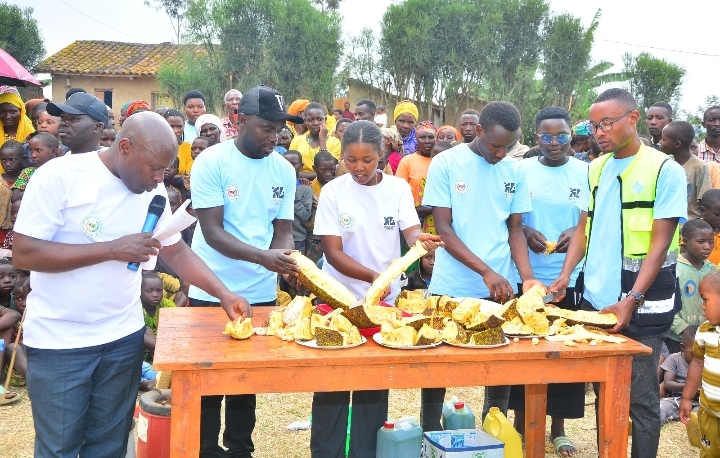
Community members attending the launch witnessed practical demonstrations showing how the improved stoves can prepare an entire family meal using only a handful of charcoal.

“Once this is sorted out, we will give ample time for the trees to grow as we think of other development activities which can be delivered if we don’t retard the project activities,” Nduwayezu said.
He added that CIAC will also strengthen youth empowerment through savings groups while introducing literacy programmes for older residents to ensure long-term community participation and sustainability.
“We will empower youth within savings groups to become future and responsible Rwandans. We will also consider literacy programs for aged citizens to be able to read and write so as to sustain this progress.”

A Project Beyond Tree Planting:
Rutsiro District Vice Mayor in charge of Economic Affairs, Emmanuel Uwizeyimana described the initiative as far more than an environmental conservation project.
According to him, the programme combines ecosystem restoration with income generation, employment creation and sustainable rural development.
He encouraged residents to prepare tree nurseries, actively participate in the October planting campaign and ensure the long-term survival of planted trees.
“There are some projects which have done similar things and at the end there is no difference because the impact is minimal especially when we don’t see incomes, sustainable benefits like conserved land and grown trees. If we can achieve these objectives then we will be sustainable,” Uwizeyimana said.
Mobilising Communities Ahead of October Tree Planting
The CIAC Open Day concluded with community awareness activities featuring women’s groups performing poems and dramas promoting environmental conservation, tree planting and sustainable land management.
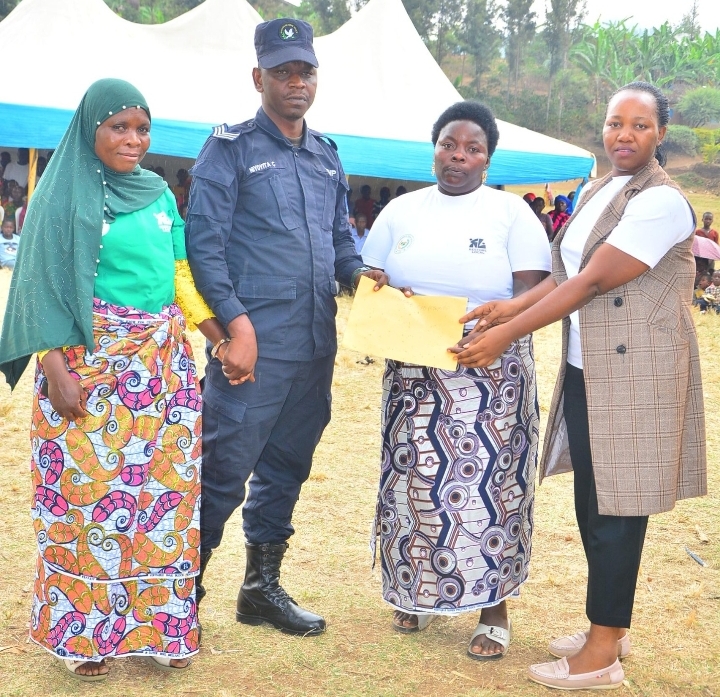
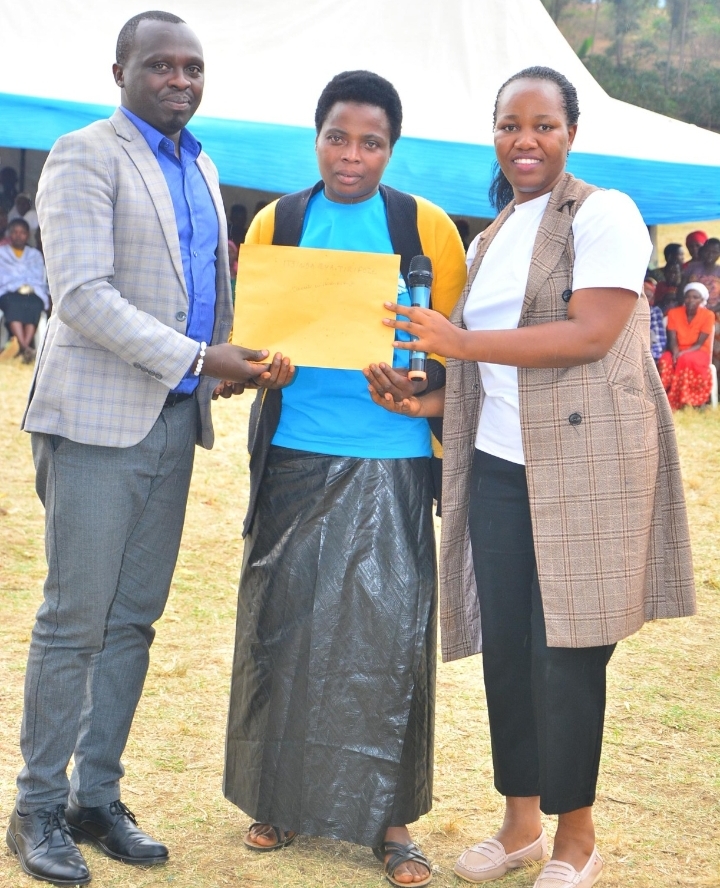
Outstanding performers received cash prizes and energy-saving cooking stoves, recognising their role in mobilising communities ahead of the October restoration campaign.
One of the winners said the recognition would strengthen community mobilisation efforts.
“This reward is a motivation that finds us already in full gear of mobilising citizens to plant and take care of trees because we know the importance of trees in transforming our lives and the community to become more resilient.”
As Rwanda prepares for the 2026 tree planting season, the TERRAFUND AFR100 Agroforestry Project stands as a practical example of how community-led restoration can simultaneously tackle climate change, restore degraded landscapes, improve food and nutrition security, create green jobs and strengthen rural livelihoods.
By linking local action around Lake Kivu with Rwanda’s national environmental agenda and the continent-wide AFR100 restoration movement, the project demonstrates that lasting climate resilience begins with empowered communities planting—and protecting—the forests of the future