



Rwanda’s agriculture sector is undergoing one of the most significant transformations in its history, with agricultural export revenues growing by 73 percent over the past seven years, from U$ 516 million in 2017 to U$ 893 million in 2024.
The impressive growth reflects the success of sustained investments in agricultural modernization, value addition, market diversification, and export competitiveness, positioning the sector as a critical pillar of Rwanda’s economic development.
The milestone comes as Rwanda pursues an ambitious goal of increasing annual agricultural export revenues to U$ 1.5 billion by 2029, a target that would further cement agriculture’s role as a major contributor to national income, employment, and foreign exchange earnings.
For a country where agriculture remains the backbone of rural livelihoods, the sector’s evolution over the past two decades tells a broader story of economic transformation.
Once dominated by subsistence farming and limited export markets, Rwanda’s agricultural industry has gradually shifted toward a more commercial and market-oriented model capable of competing regionally and internationally.
Through strategic government interventions, increased private-sector participation, and growing integration into global markets, agriculture has become a key engine of economic growth.
Over the last 20 years, Rwanda has implemented a series of reforms aimed at increasing agricultural productivity and improving farmers’ access to markets.
Investments in land consolidation, irrigation development, improved seed varieties, fertilizer use, mechanization, and farmer training have contributed to higher yields and greater efficiency across major value chains.
The development of post-harvest infrastructure, storage facilities, rural roads, and market systems has further strengthened the sector’s capacity to meet domestic and international demand.
Today, agriculture contributes approximately a quarter of Rwanda’s Gross Domestic Product and continues to support the livelihoods of millions of citizens.
Beyond its role in food production, the sector has become a major source of export earnings, helping generate foreign exchange and support macroeconomic stability.
While coffee and tea remain Rwanda’s flagship agricultural exports, the country has successfully diversified into a range of high-value products that are increasingly finding markets across Africa, Europe, the Middle East, and Asia.
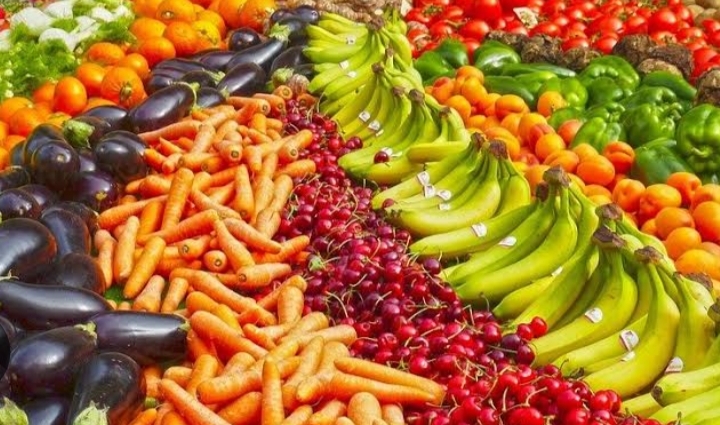
The horticulture subsector, in particular, has emerged as one of the fastest-growing areas of export growth, driven by rising demand for fresh fruits, vegetables, flowers, and specialty products.
Improved quality standards, certification systems, and export logistics have enabled Rwandan producers to access increasingly competitive international markets.
The diversification of agricultural exports has reduced dependence on a narrow range of commodities while opening new opportunities for farmers, cooperatives, exporters, and investors.
Recent export performance reflects this progress, with strong contributions from coffee, tea, horticulture, and other agricultural products helping push total export revenues close to the U$1 billion mark.
The impact of this growth extends far beyond export statistics.
Agricultural expansion is creating opportunities across the entire value chain, from production and aggregation to transportation, processing, packaging, and marketing.
Smallholder farmers are benefiting from stronger market linkages and improved incomes, while agribusinesses are investing in technologies and infrastructure that enhance productivity and competitiveness.
The growth of agro-processing industries is also helping Rwanda capture more value from its agricultural products before they reach international markets.
Investments in coffee washing stations, tea factories, fruit processing plants, cold storage facilities, and packaging industries are creating jobs and strengthening industrial development.
As a result, agriculture is increasingly contributing not only to export growth but also to broader efforts aimed at industrialization and economic diversification.
Agricultural development continues to play a central role in Rwanda’s socio-economic progress.
Increased productivity and export earnings have contributed to improved rural livelihoods, poverty reduction, and greater economic resilience.
Higher household incomes are enabling families to invest more in education, healthcare, housing, and other essential needs, generating positive effects throughout local economies.
Technology and innovation are further reshaping the sector.
Digital platforms are improving access to extension services, market information, weather forecasts, and financial products, while climate-smart agriculture practices are helping farmers adapt to changing environmental conditions.
The adoption of modern farming technologies, improved irrigation systems, and advanced production techniques is strengthening the sector’s ability to meet growing demand while maintaining sustainability.
Looking ahead, achieving the USD 1.5 billion agricultural export target by 2029 will require continued investment in productivity, infrastructure, value addition, and market expansion.
Expanding irrigation coverage, reducing post-harvest losses, strengthening cold-chain logistics, and improving access to finance will be critical to sustaining growth.
Increased private-sector investment and stronger participation in regional and global value chains are also expected to play a vital role in accelerating progress.
Rwanda’s agricultural export success story demonstrates the transformative impact of long-term planning, policy consistency, and strategic investment.
From generating U$516 million in export revenues in 2017 to reaching U$ 893 million in 2024, the sector has become one of the strongest contributors to the country’s economic advancement.
Beyond the numbers, the growth represents improved livelihoods, expanding business opportunities, stronger competitiveness, and greater resilience across the economy.
As Rwanda advances toward its U$1.5 billion export ambition, agriculture is poised to remain at the heart of the nation’s development journey, driving growth, creating jobs, strengthening food systems, and connecting local producers to increasingly dynamic global markets.
The sector’s progress over the past two decades stands as a testament to what can be achieved through sustained commitment to innovation, investment, and inclusive economic transformation.