







The AIDS Healthcare Foundation has emphasized the importance of proper menstrual hygiene for the health and well-being of girls and women, calling for continued awareness campaigns aimed at eliminating stigma and ensuring access to reliable information and essential hygiene supplies.
During menstruation, girls and women require special support to maintain their daily routines and overall well-being.
However, many girls continue to face challenges such as stigma, fear of interacting with others, and being mocked because of their periods. These challenges can negatively affect their education and daily lives.
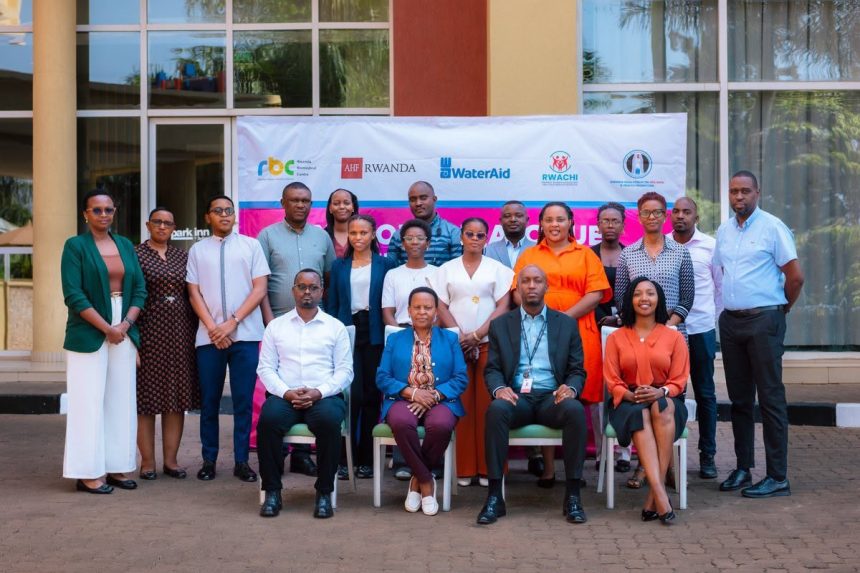
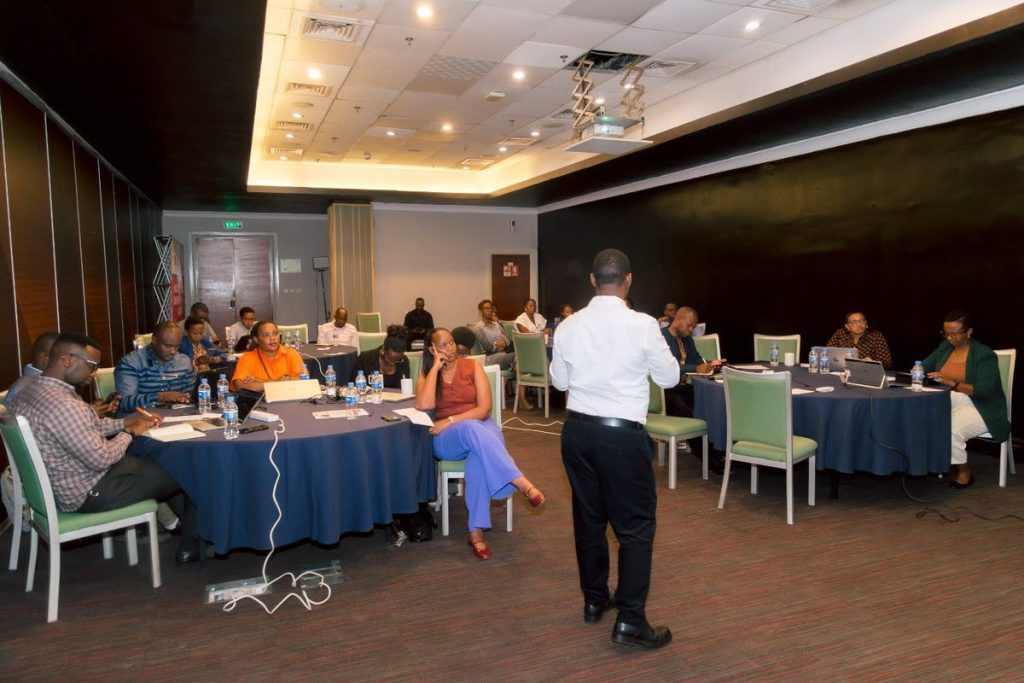
To address these concerns, AHF Rwanda organized a dialogue on menstrual hygiene, bringing together different stakeholders to discuss ways of increasing awareness, providing girls and women with necessary hygiene materials, and challenging harmful beliefs that portray menstruation as something shameful.

The event, held on June 29, 2026, at Park Inn by Radisson Hotel, brought together partners from the health, education, and social sectors.
Participants discussed challenges faced by girls and women, including limited access to menstrual hygiene products, inadequate information, and persistent social attitudes that create shame around menstruation.
Rosine Umutesi, a student from Kigali City, welcomed the progress made in increasing access to information that helps girls maintain proper menstrual hygiene.
“It is encouraging to see young people taking part in finding solutions to challenges they face. Girls should not feel ashamed or embarrassed about menstruation because it is a normal part of a girl’s life,” she said.
The Country Programs Manager AHF Rwanda, Dr. Rangira Lambert, said menstrual hygiene is an important issue that deserves attention because it contributes to protecting health and enabling girls and women to continue with their daily activities.
“Discussing proper menstrual hygiene is about increasing knowledge and giving girls and women confidence to live healthier lives. Everyone has a role to play in reducing stigma and ensuring that hygiene products are available to those who need them,” he said.
Dr. Rangira added that menstruation is a normal biological process experienced by girls and women and is a sign of good health and reproductive ability. He stressed that no one should discriminate against or isolate girls and women because they are menstruating.
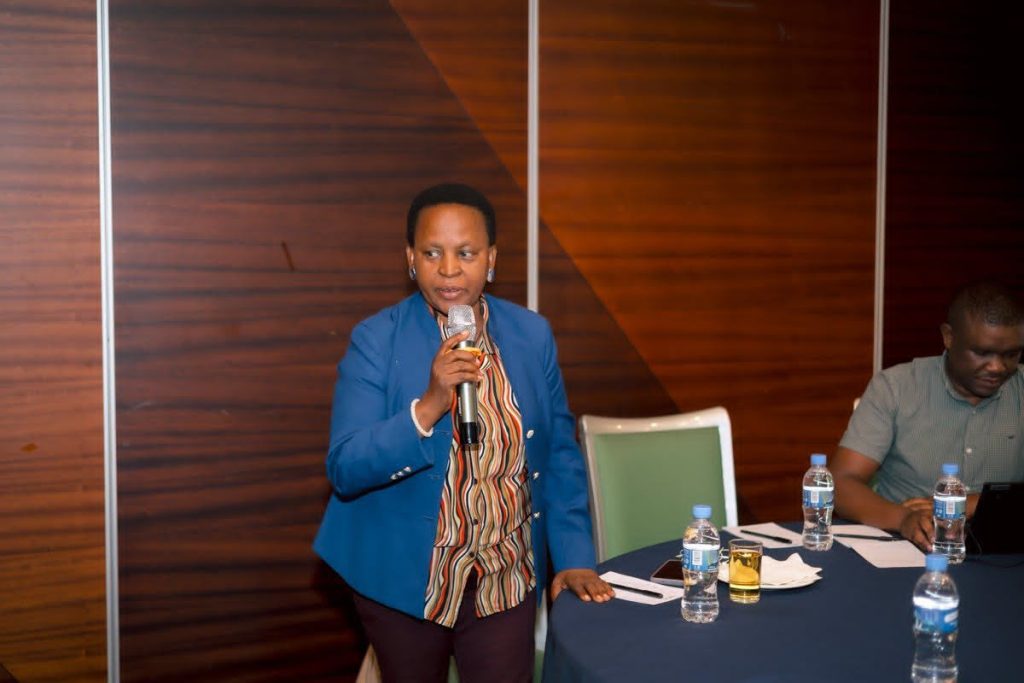
Mutoni Merab, a gender-based violence prevention officer at the Rwanda Biomedical Centre (RBC), said that access to accurate reproductive health information helps prevent violence and challenges that may affect girls’ well-being.
“Menstruation is a normal part of a girl’s and woman’s life. It should not be a source of shame or discrimination. Girls and women need reliable information, hygiene materials, and safe spaces where they can manage their periods with dignity,” she said.
She commended AHF Rwanda for organizing the initiative, noting that such efforts help increase awareness, promote healthy practices, and challenge negative perceptions surrounding menstruation.
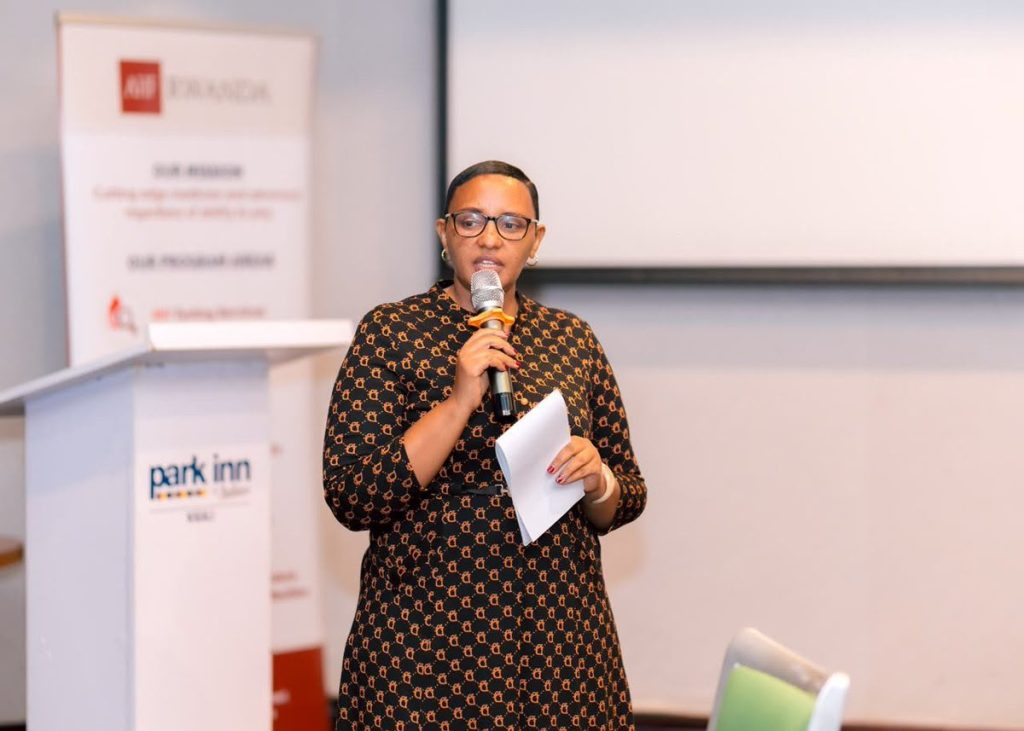
She added that partnerships like this support girls to continue their education with confidence.
Chris Sengoga, Deputy Director of the Rwanda NGOs Forum on HIV/AIDS (RNG’s Forum on HIV/AIDS) in charge of health promotion and social well-being, said that addressing menstrual hygiene challenges requires collaboration among different stakeholders to create sustainable solutions.
Nsengiyumva Jacques, Director of RWACHI, said there is a need for awareness campaigns that reach families so they can include menstrual hygiene supplies among household priorities.
“Menstrual hygiene is an essential part of health that deserves the same attention as other health needs. A girl or woman having her period is a sign of a healthy body,” he said.
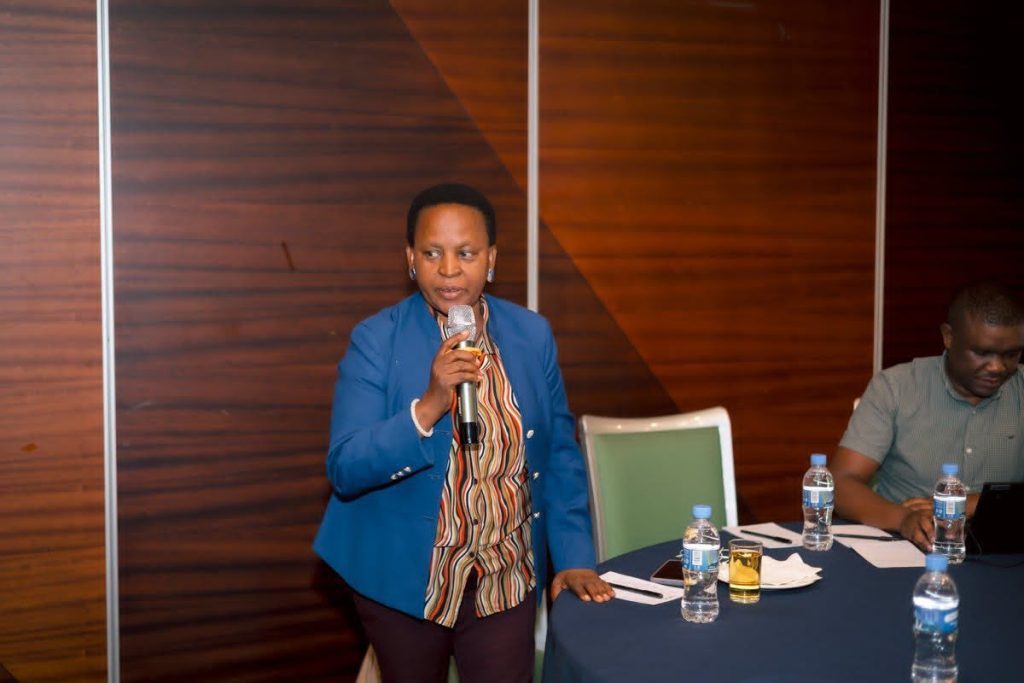
Munyaneza Fidel, an official from the Rwanda Basic Education Board (REB), said proper menstrual hygiene plays a significant role in girls’ health and education.
He explained that girls should be taught that menstruation is not a problem or something to be ashamed of, but rather a normal stage of growth and development.
He further highlighted the importance of the Girls’ Room initiative in schools, saying it provides female students with support, necessary materials, and a safe environment that allows them to continue learning without being disrupted by menstrual challenges.
“Every school should have a functional Girls’ Room that is properly maintained so that girls can access support and materials that help them feel safe and comfortable,” he said.
Participants called on AHF Rwanda to continue expanding menstrual hygiene awareness campaigns in schools, families, and communities so that all girls and women can access the support, information, and materials they need during menstruation.