



President Paul Kagame has warned that Rwanda must never allow individuals or competing narratives to hold the country hostage by distorting its history, saying the nation has reached a point where truth, accountability and reconciliation must prevail over denial and self-interest.
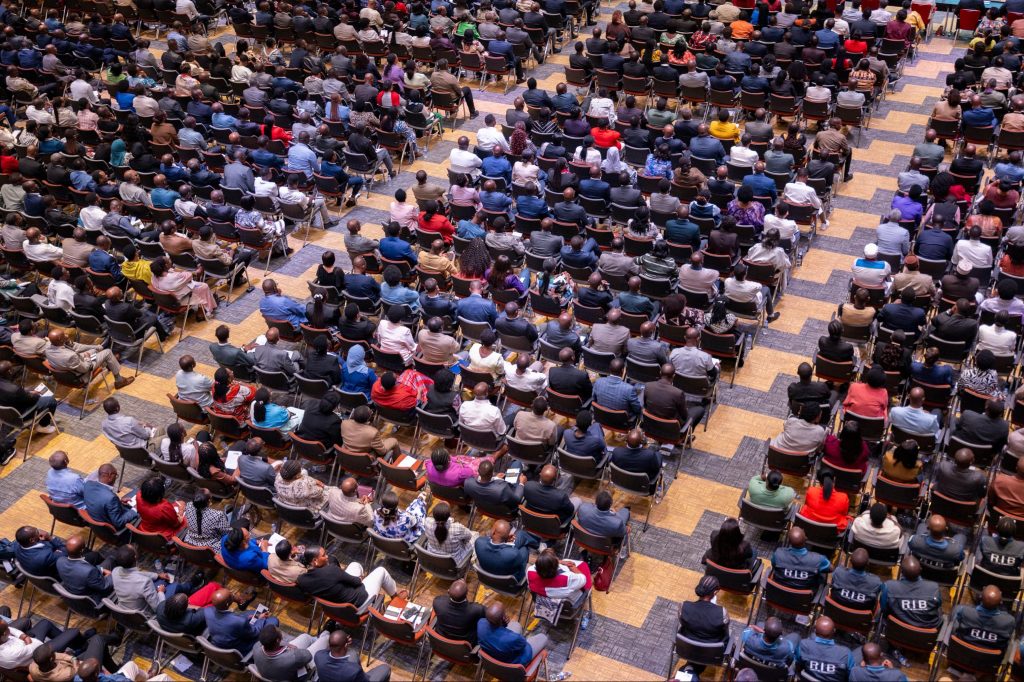
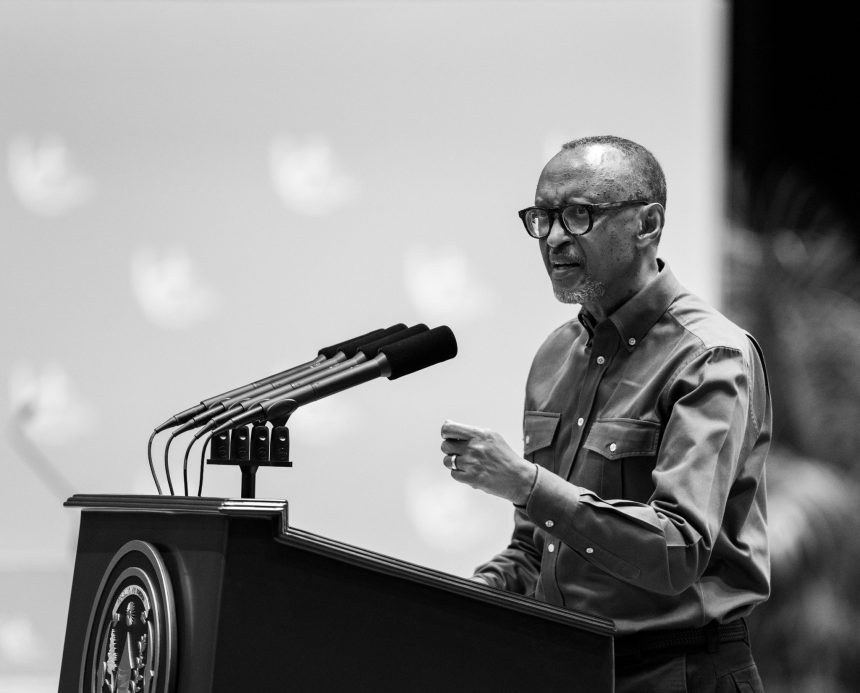
Speaking at a Unity Club gathering on Saturday, Kagame delivered one of his most reflective speeches on Rwanda’s past, repeatedly returning to the themes of historical truth, responsibility, forgiveness and the dangers of ideological manipulation.
“We have had a very painful history. A truly painful one. We cannot deceive ourselves or deceive anyone else about that,” Kagame said. “But this is not how we were meant to be, and it is not how we should remain.”
Throughout the address, Kagame argued that while people naturally interpret history differently, there are facts that can no longer be disputed because they are supported by evidence.
“There comes a point where people must say, ‘What has been said about me is true, and I am ready to change.’ The country cannot remain hostage to people who want history to be only what suits them.”
The President acknowledged that many people resist accepting uncomfortable truths because of the roles they played or their personal connections to those involved. Some, he said, even try to defend relatives, friends or ideological allies despite overwhelming evidence.
“As human beings, people often want to protect those close to them. That is understandable. But Rwanda itself cannot become the price we pay for that.”
Kagame stressed that the country’s future depends on building consensus around truth rather than endless arguments over the past.
“We must gather the facts until they lead us to one truth on which we can build everything else.”
Addressing young Rwandans, many of whom did not directly experience the 1994 Genocide against the Tutsi, Kagame warned that the country’s tragedy was neither accidental nor inevitable.
“What happened was not an accident. It came from bad politics, bad ideology and bad education.”
He cautioned that unless those underlying ideas are confronted and defeated, future generations could unknowingly repeat the same mistakes.
“The genocide did not happen by chance. People were taught to hate. Evil ideas produced evil actions.”
Kagame also rejected attempts to attribute Rwanda’s entire tragedy to foreign actors, arguing that while outside influence played a role, Rwandans themselves must accept responsibility for choices that were made.
“There is some truth in saying certain things came from outside. But I refuse to believe that everything that happened to us came from outside.”
He challenged Rwandans to reject narratives that portray Africans as inferior or incapable of independent thought.
“Do we really believe we are less than fully human? No one asks you to say ‘yes’. You demonstrate it through your actions when you accept ideas that diminish your own humanity.”
One of the speech’s most emotional moments came as Kagame recalled a question posed to him by a young girl during a previous commemoration event.
“She asked me, ‘Why is it always us that you ask to forgive? Why do you keep placing this burden on us every year?’”
Kagame said the question forced him to confront the enormous emotional cost of reconciliation.
“I told her the reason is simple. You are the ones who still have something to give. But forgiveness is not cheap. Imagine asking someone who lost their entire family to forgive. Humanly speaking, it is extremely difficult.”
The President also shared personal memories from the liberation struggle, revealing that commanders once invited him to witness sites where massacres had just taken place.
He said he deliberately stopped visiting those scenes.
“I told them, ‘Send me reports, but do not ask me to come and see those places.’”
Kagame explained that repeatedly witnessing the brutality risked affecting his judgment as commander of the liberation forces.
“If I kept seeing those scenes myself, I feared it would influence my decisions and create even greater problems.”
He urged Rwandans to place themselves in the position of genocide survivors and appreciate the psychological burden they continue to carry.
“How does someone who lost everything sit among other people today? Unless we ourselves have changed, where can that person truly feel safe?”
Kagame said reconciliation requires both survivors and perpetrators to confront painful truths honestly.
“Even if I did not participate, I must still say what happened was evil and must never happen again.”
The President also spoke at length about confession, arguing that genuine acknowledgement of wrongdoing goes far beyond religious ritual.
Drawing from his own childhood in the Catholic Church, Kagame admitted that he sometimes invented sins to confess simply because confession was expected.
“But real confession is not whispering something in a booth. Real confession is standing before people, speaking the truth openly. That does not only free the person speaking; it helps everyone listening. It heals society.”
Kagame warned young people against surrendering their identity to outside influences, saying some return from studying abroad having absorbed ideas that disconnect them from who they are.
“There is a sickness in wanting to become someone else instead of being yourself.”
Without naming specific allegations, Kagame also criticised what he described as external attempts to shape Rwanda’s political future through exiled figures.
He referred to former senior officials including Kayumba Nyamwasa, Patrick Karegeya and Theogene Rudasingwa, saying some people abroad imagine they should determine who governs Rwanda.
He dismissed any suggestion that business interests or external actors could dictate appointments or influence the country’s leadership.
“That happened before. But it did not happen in this new Rwanda. It cannot happen.”
Closing his address, Kagame praised Unity Club for creating a space where Rwandans can confront difficult truths without fear of prosecution or condemnation.
“This is not about putting people on trial. It is about healing.”
He concluded with a warning that ordinary citizens often act on the messages they receive from leaders.
“If you tell people the truth, they will follow it. If you deceive them into believing lies serve their interests, they may also follow those lies.”
Recalling how many perpetrators of the genocide were incited with false claims that RPF fighters would seize their property, Kagame said responsibility ultimately lies with those who planted those ideas.
“The first guilt belongs to the one who teaches hatred.”