




Rwanda is seeking to deepen its economic partnership with South Korea, with artificial intelligence, digital infrastructure and technology-driven development taking centre stage as African and Korean policymakers meet in Seoul.
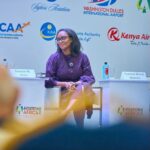
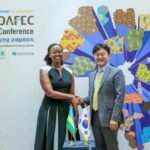
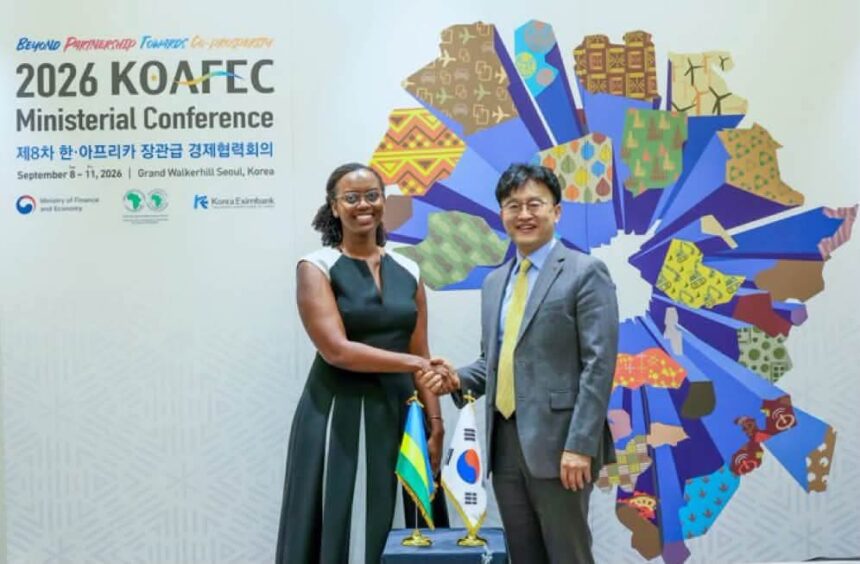
Minister of State for Finance Tesi Rusagara is leading Rwanda’s delegation to the 8th Korea–Africa Economic Cooperation (KOAFEC) Ministerial Conference, taking place from September 8 to 11, 2026.
On the sidelines of the meeting, Rusagara held talks with Moon Ji-sung, Korea’s Deputy Minister of Economy and Finance, focusing on ways to strengthen economic cooperation between the two countries, particularly through the application of artificial intelligence in agriculture, healthcare and education.
The discussions come as Africa seeks to use technology to overcome longstanding development challenges, including low agricultural productivity, limited access to quality healthcare and education, inadequate digital infrastructure and shortages of skilled workers.
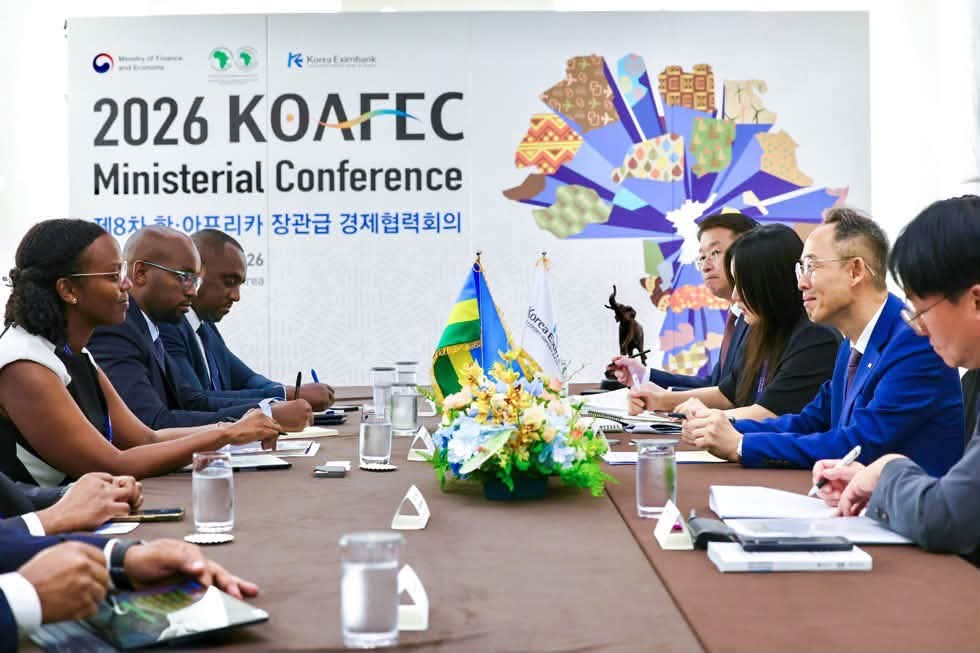
The 8th KOAFEC Ministerial Conference is being held under the theme “Harnessing AI and Digital Infrastructure for Africa’s Transformation.”
It brings together African finance and ICT ministers, Korean officials, development partners, investors, private-sector leaders and technology innovators. The conference also marks 20 years of KOAFEC cooperation.
The broader objective is to move beyond traditional development assistance toward practical investment, technology transfer and partnerships that can generate jobs, strengthen businesses and accelerate Africa’s digital transformation.
For Rwanda, the discussions offer an opportunity to explore how Korean technology and expertise can be adapted to local development priorities.
In agriculture, AI-powered systems could help farmers analyse weather patterns, identify crop diseases, improve irrigation and increase productivity.
In healthcare, digital platforms and AI could support early diagnosis, patient management and access to specialist services, particularly in underserved areas.
Education is another potential area for cooperation, with AI-powered learning tools capable of supporting personalised education, teacher training and wider access to learning materials.
“Our cooperation must translate technology and innovation into practical solutions that improve productivity, create jobs and expand access to essential services,” Rusagara said, underscoring the importance of turning economic cooperation into tangible benefits for citizens.
However, African countries still face barriers to fully exploiting AI, including limited connectivity, unreliable electricity, high technology costs, shortages of digital skills and concerns over data protection.
The KOAFEC discussions are therefore expected to focus on possible solutions including increased investment in broadband and digital infrastructure, financing for technology startups, skills development, stronger research and innovation partnerships, and policies that encourage responsible use of AI.
The African Development Bank estimates that AI could add up to US$1 trillion to Africa’s GDP by 2035 if the continent invests adequately in digital infrastructure, affordable connectivity, reliable electricity, skills and enabling policies.
KOAFEC has already supported cooperation in sectors including energy, agriculture, digital transformation, infrastructure and private-sector development.
The partnership’s trust fund has provided project-preparation support that has helped develop a multibillion-dollar investment pipeline across Africa.
The meeting is expected to culminate in a Joint Declaration setting out practical areas for deeper Korea–Africa cooperation, including AI and digital transformation, energy, infrastructure, trade, private-sector development and human capital.
For Rwanda, the priority will be to turn the growing Korea–Africa relationship into concrete investments, technology partnerships and skills that can accelerate productivity and support the country’s ambitions for a knowledge- and technology-driven economy.