



Covering the Great Lakes region has taught me one enduring lesson: history is shaped by people who dare to think differently. Whether they succeed or fail is for posterity to decide, but they are seldom ignored.
Among the Ugandans I have followed with genuine interest are General Muhoozi Kainerugaba, Hon. Balaam Barugahara and businessman Abraham Luzzi.
They come from different worlds, yet each represents a different dimension of leadership that I find intriguing.
General Muhoozi has always struck me as a man of conviction. Beyond the public persona that dominates headlines, those who know him and many of his supporters often speak of a leader who is humble in private, intellectually curious and willing to listen before making decisions. These are qualities that rarely generate headlines, but they often define lasting leadership.
His military career reflects discipline and hard work, while his public life reveals someone who is comfortable thinking independently, even when that attracts criticism. Leadership is not about pleasing everyone; it is about accepting that difficult decisions and strong opinions inevitably divide people.
As a Rwandan journalist, I watched with disappointment when relations between Rwanda and Uganda deteriorated and communities along the border paid the price. Frankly, I became very hostile to Uganda for the way security forces handled our people. It wrongly registered in my DNA.
Traders in Katuna and Gatuna, transporters and families with relatives on both sides suddenly found themselves caught in a dispute they neither created nor understood.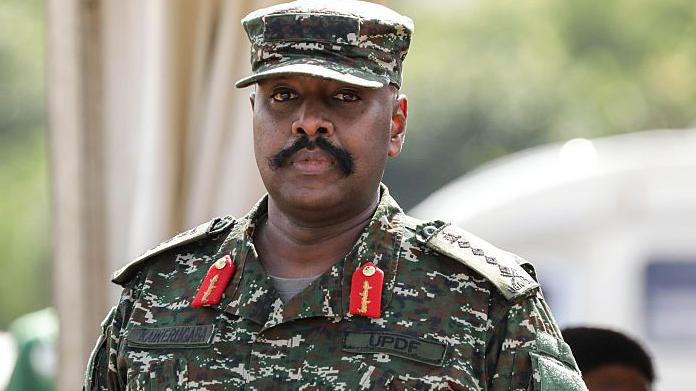

I therefore appreciated General Muhoozi’s public efforts to rebuild communication between Kigali and Kampala. Haven’t you seen how people now crisscross boarders , fly Entebbe-Kigali seamlessly with ease and enthusiasm?
Yes, Diplomatic progress is never the work of one individual alone, but every bridge begins with someone willing to take the first step.
General Muhoozi’s career also fascinates me because of the extraordinarily delicate line he walks.
Few professions demand the discipline, restraint and loyalty to institutional command required of the military, while politics operates in a completely different environment—public, emotional and often unpredictable. Navigating both worlds simultaneously is one of the most difficult challenges a public figure can undertake.
On one side is the soldier, bound by service, professionalism and constitutional duty. On the other is the politician, who must persuade, inspire, defend ideas and engage with both supporters and critics.
In Uganda, the military is sometimes described through the metaphor of kiboko; beating, when necessary. Yet that CV must always remain anchored in service to the nation. Balancing the authority of military command and politics requires exceptional judgment.
What continues to draw my attention is General Muhoozi’s effort to manage that difficult balance while maintaining both identities.
He remains a career military officer while also becoming one of Uganda’s most closely watched public figures. Every statement and action is examined through both military and political lenses, making the path even more complex.
Few leaders have attempted to bridge these two worlds over a long period. President Paul Kagame is one example that comes to mind. His journey from military commander to head of state demonstrates how demanding such a transition can be, requiring discipline, strategic thinking and a strong focus on national service.
Whether General Muhoozi’s journey follows a similar path is something only history can determine. But the complexity of that balancing act is precisely what makes his career worth watching.
The second is Hon. Balaam Barugahara. He impresses me for a different reason. His energy is extraordinary. Whether in business, entertainment or government, he approaches every assignment with enthusiasm. He is constantly engaging people, building networks and embracing new challenges.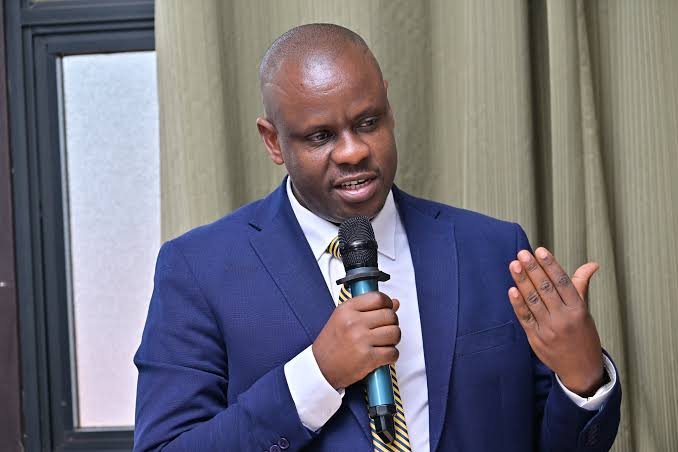

I also admire his willingness to engage publicly on issues that many Ugandans themselves identify as major concerns, including corruption, accountability and abuse of public office.
These conversations are never easy, but every country benefits when difficult subjects are discussed openly rather than whispered about behind closed doors. I am watching closely to see if he won’t end up abusing the power and authority President Museveni has given him.
Then there is serial entrepreneur, Abraham Luzzi, whose journey illustrates another side of leadership.
Entrepreneurs rarely command the attention politicians receive, yet they often create the opportunities that transform people’s lives. Building businesses in East Africa demands resilience, patience and the courage to invest when others hesitate.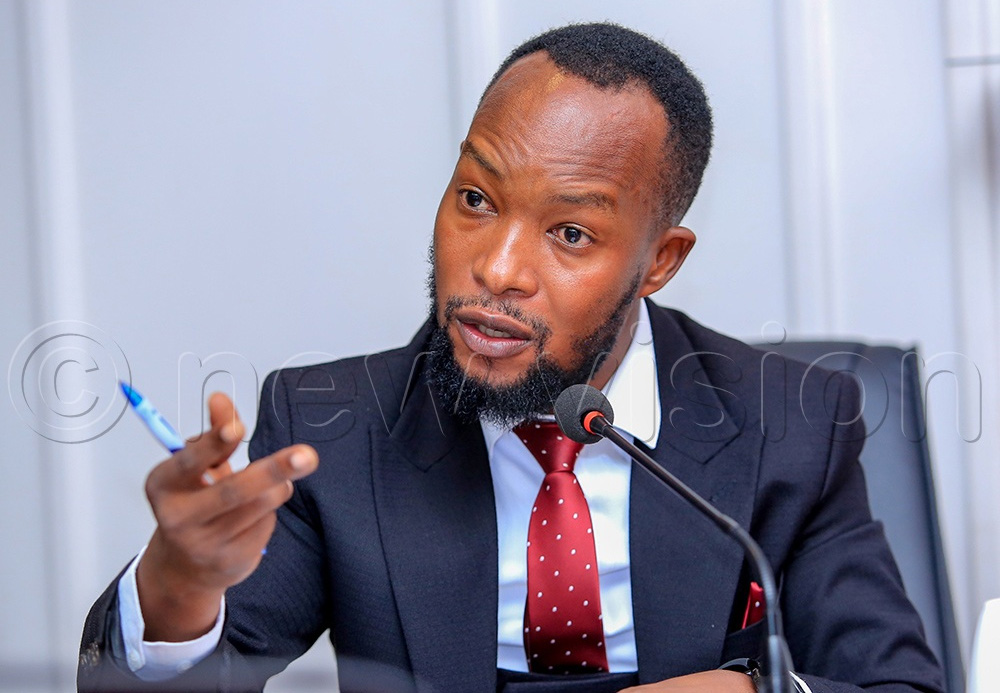

Mr. Luzzi’s story reminds me that success is seldom an accident; it is usually the reward for persistence. He inspires many young Africans in different ways: those who believe in the spirit of “hustle to the top”.
What connects these three men, in my view, is not that they are perfect. They are not. Like every public figure, they invite both admiration and criticism.
Rather, they share an apparent determination to pursue their convictions, accept responsibility and leave a mark on their country.
Finally, I cannot conclude without paying tribute to a man who profoundly influenced my own journey in journalism: Andrew Mwenda.
Before I founded my own media organizations, I had the privilege of working under him. He taught me that journalism is not an exercise in popularity but a discipline of independent thought.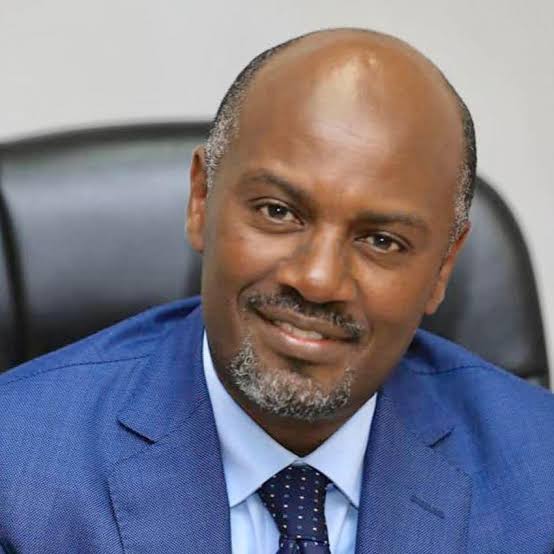

He challenged young reporters to question accepted narratives, defend their arguments with evidence and never fear uncomfortable conversations. We have not agreed on every issue over the years, but that has never diminished my respect for him. Every journalist carries traces of those who mentored him. Mine certainly does.
As I continue observing Uganda’s evolving story, these are some of the people who keep my attention; not because they are flawless, but because they remind me that leadership, in all its forms, is ultimately about courage, conviction and the willingness to carry the weight of one’s choices.