


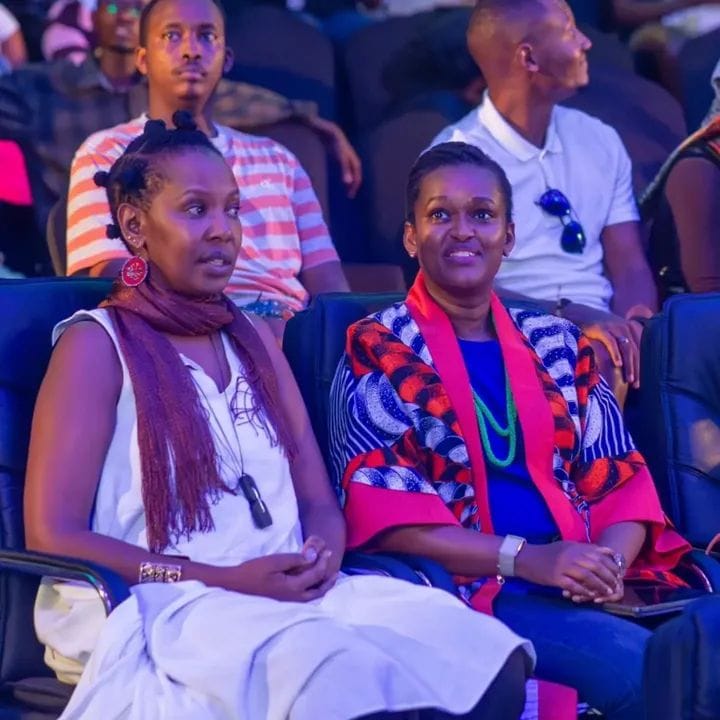
The 12th edition of the Ubumuntu Arts Festival came to a memorable close at the Kigali Genocide Memorial on Sunday, leaving audiences with a renewed belief in the power of art to heal, unite, and inspire hope.
For seven days, from July 13 to 19th, artists, cultural leaders, policymakers, diplomats, development partners, and audiences from around the world gathered in Kigali under the theme “Embracing Time: Holding On. Holding Together.”
Through theatre, dance, music, storytelling, and dialogue, the festival reaffirmed its longstanding mission of promoting peace, empathy, remembrance, and shared humanity.
The festival opened with a powerful message from Canada’s High Commissioner to Rwanda, Julie Crowley, who described Ubumuntu as far more than an arts festival.
“Arts have a unique ability to build bridges between people and communities, encouraging understanding, inspiring empathy, and strengthening the relationships that bind us together.”
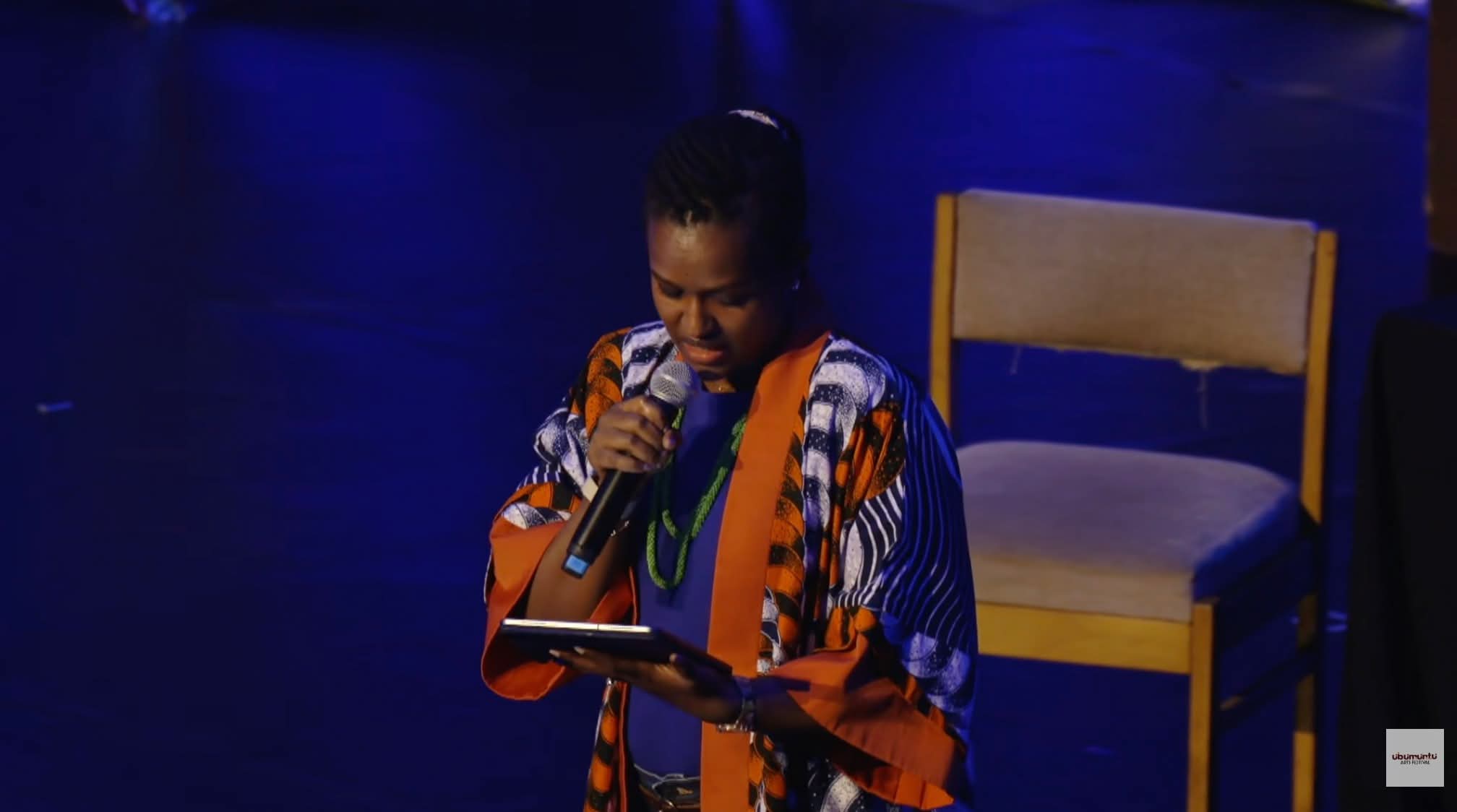

Speaking at the opening ceremony held at the Kigali Genocide Memorial, Crowley said the festival’s theme invited people to honour the past while moving forward together with hope and purpose.
“It reminds us that our shared humanity is one of our greatest strengths.”
Throughout the week, the Kigali Genocide Memorial became more than a venue for performances. It stood as a place where remembrance met creativity, reinforcing the message that confronting painful histories is essential to building peaceful and inclusive societies.
Festival Founder and Curator Hope Azeda said the event continued to create a platform where stories become instruments of healing and dialogue.
“Our shared humanity is one of our greatest strengths,” Azeda said, encouraging artists and audiences to continue using creativity as a force for peace and positive change.
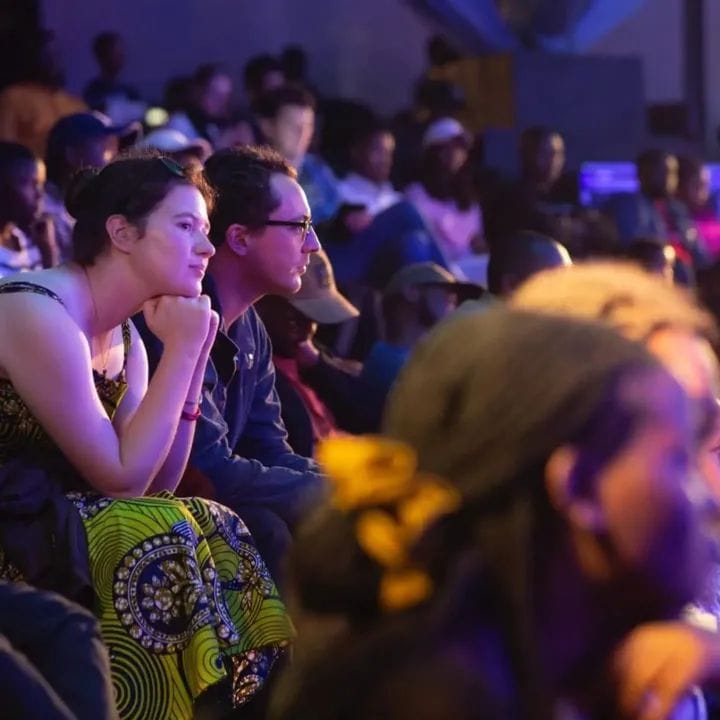
The programme featured performances from Rwanda and across the globe, demonstrating how artistic expression transcends language, nationality, and culture.
Among the standout productions was “It’s Such a Good Time”by Kenya’s Millaz x Faiz Art Hub Community, which explored fatherhood and how both the presence and absence of fathers shape identity and personal growth.
Another Kenyan production, “Repeat After Me”by Khalaha, challenged audiences with bold conversations that pushed the boundaries of contemporary theatre.
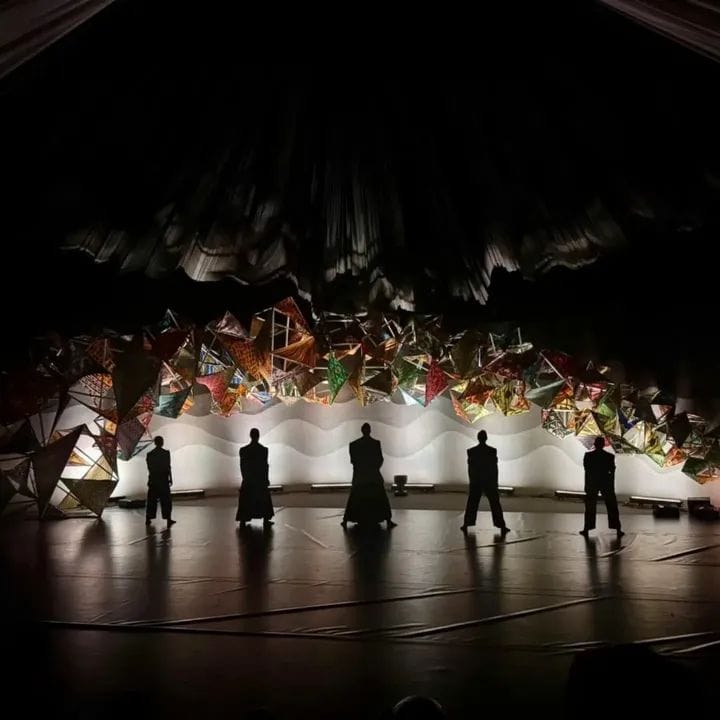
Uganda’s Playwright Playhouse captivated audiences with “The Priest and the Drunkard,” a sharp yet emotionally charged production exploring fear, prejudice, violence, and the search for belonging.
Israel’s Orly Portal returned to the Ubumuntu stage with a vibrant multicultural dance performance, while Portugal, Japan, and Rwanda also presented productions exploring resilience, memory, healing, identity, and hope.
The festival equally celebrated emerging voices, with performances by Afritheatre Collective transforming movement into a language of courage, connection, and transformation, while Agahozo Shalom Youth Village delivered a moving performance that reflected the resilience and optimism of Rwanda’s young generation.
Beyond the stage, conversations during the festival encouraged participants to imagine new possibilities for societies recovering from conflict and division.
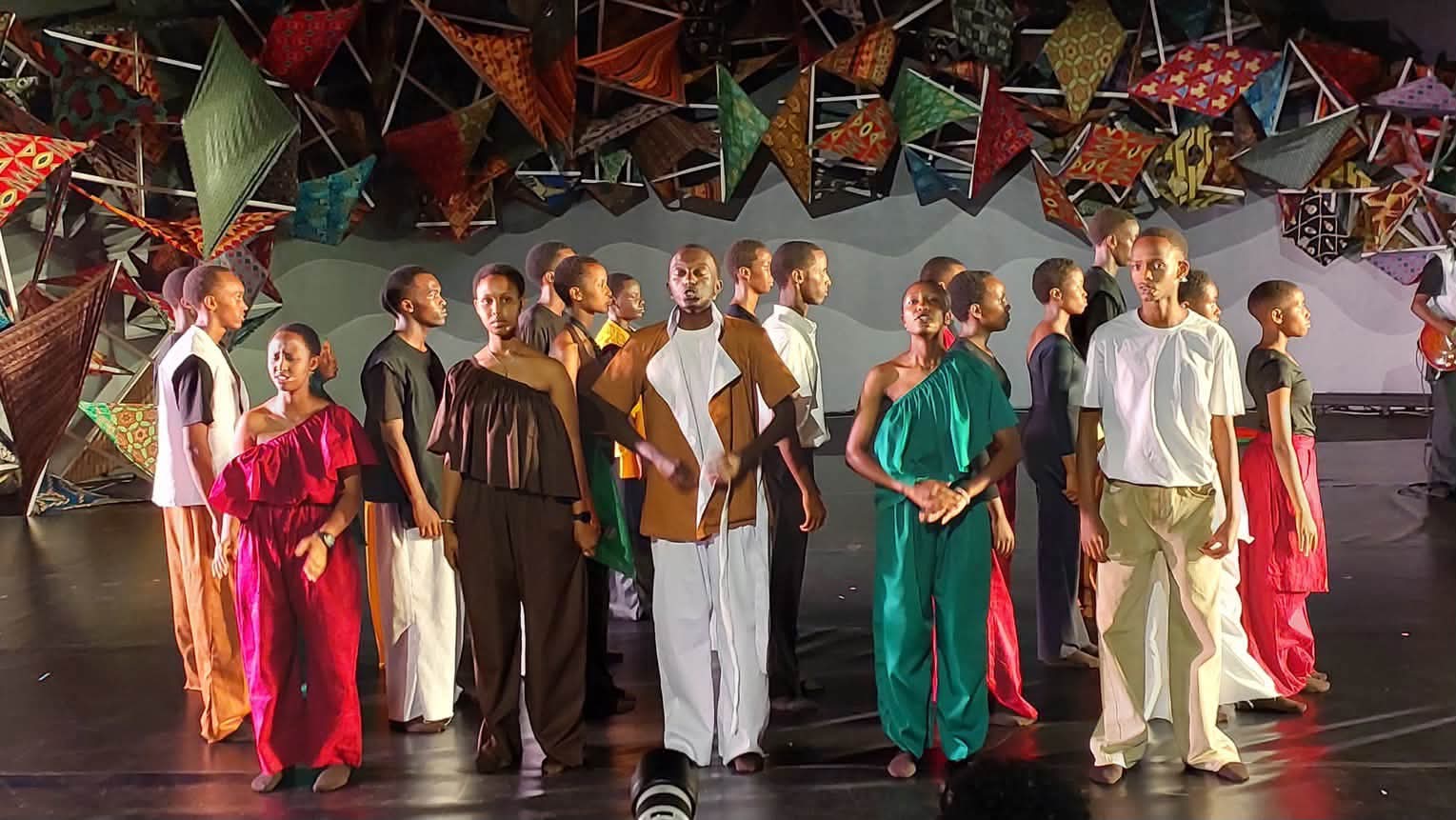

One of the recurring reflections throughout the week reminded audiences that rebuilding communities begins with reimagining them.
“The future is not something we simply inherit. It is something we imagine, shape, and create together.”
Participants also reflected on the impact of trauma on individuals and societies, emphasizing that healing requires restoring imagination and hope.
“To reimagine is to repair what has been broken in our relationships, our communities, and within ourselves. To reclaim the voices, identities, cultures, and dreams that shape who we are.”
As the festival concluded on Sunday, State Minister for Youth and Arts, Sandrine Umutoni**, praised Ubumuntu Arts Festival for demonstrating how culture can preserve memory while creating opportunities for dialogue and reconciliation.
She said the festival continues to showcase the transformative power of the arts in safeguarding history, promoting meaningful conversations, and strengthening peace.
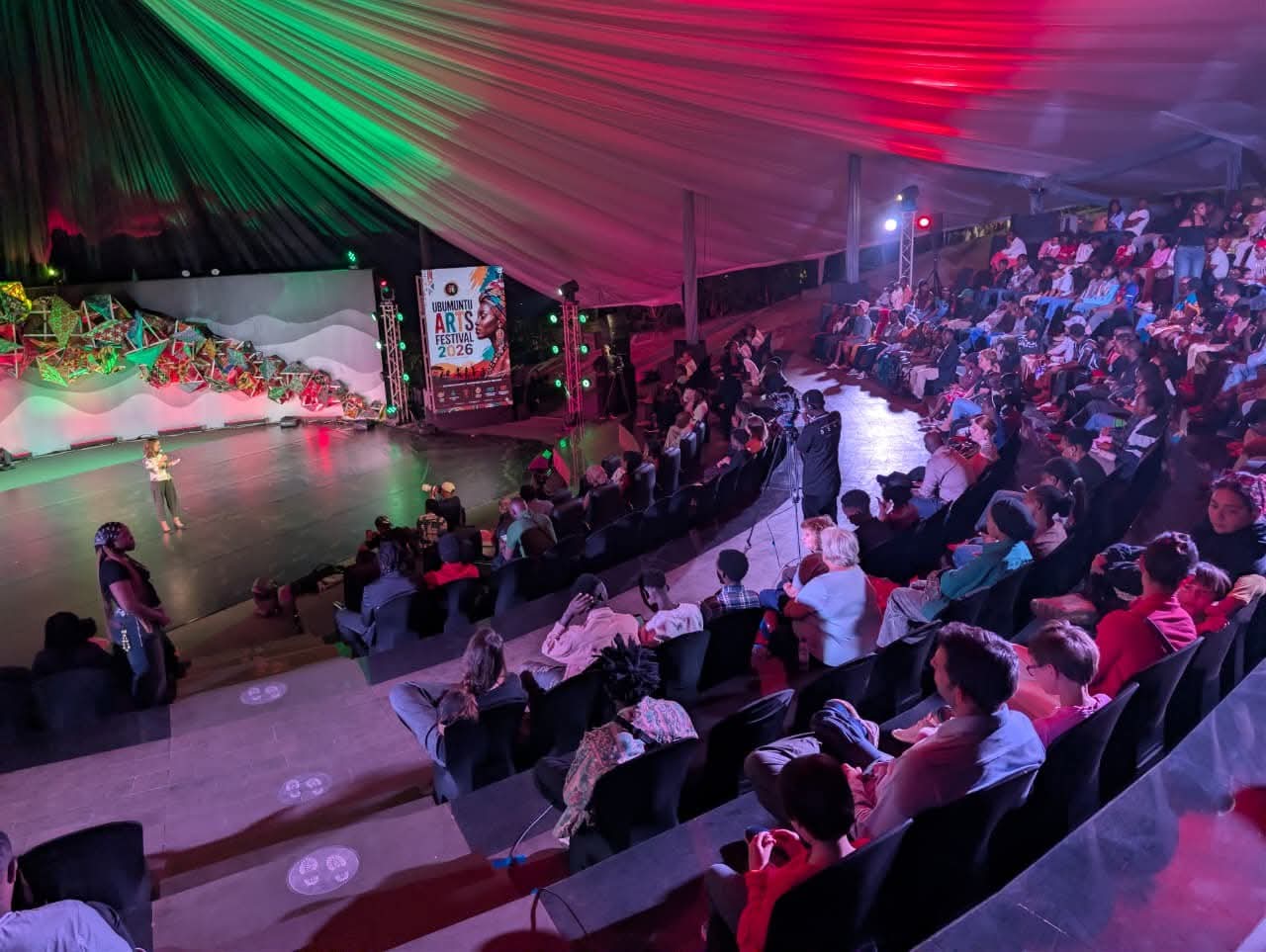

Reaffirming the Government of Rwanda’s commitment to the creative sector, Umutoni emphasized that investing in culture is investing in the country’s future.
“Culture deserves investment. As government, we reaffirm our commitment to working alongside artists, cultural institutions and development partners, to create an environment where art can flourish.”
As curtains fell on the 12th edition, the festival left behind more than unforgettable performances. It offered a reminder that while history cannot be changed, the future can be shaped through empathy, dialogue, creativity, and collective action.
From conversations on remembrance and reconciliation to performances that challenged prejudice, celebrated identity, and inspired hope, Ubumuntu Arts Festival 2026 once again proved that art remains one of humanity’s most powerful tools for building a more peaceful and compassionate world.