

For many families, serious illness does not begin with an emergency. It begins quietly.
A person gains weight over many years. Sleep becomes difficult. Walking becomes tiring. Blood pressure becomes harder to control.

Sugar levels stay high. Acid reflux keeps coming back. Veins become painful. A wound takes too long to heal. Later, kidney disease may require dialysis planning.
Doctors say these symptoms should not always be treated as separate problems. In many patients, they may be part of one wider health story involving weight, diabetes, blood pressure, blood flow and kidney health.
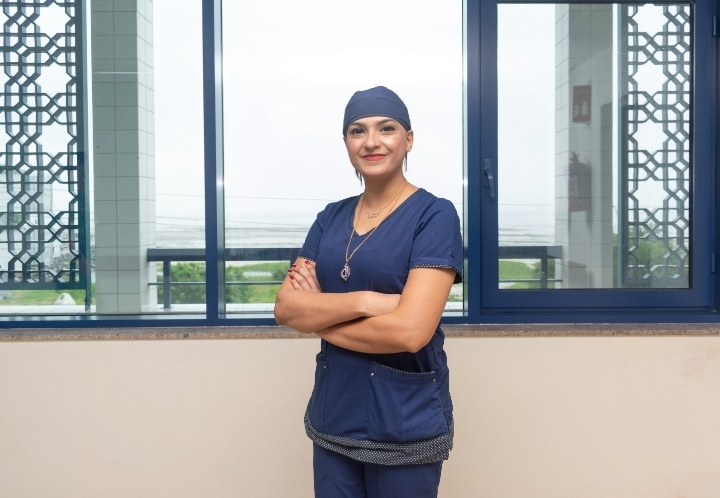
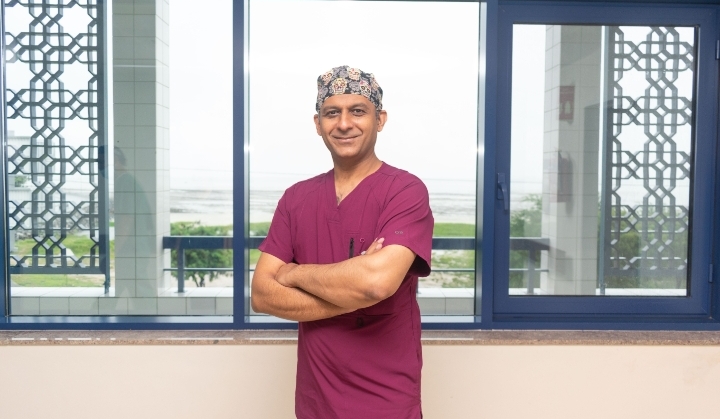
That concern was highlighted during specialist clinics held on 17 and 18 June 2026 at The Aga Khan Hospital, Dar es Salaam, involving Dr. Syed Tanseer Asghar and Dr. Sana Sharafat Ali.
Dr. Tanseer is a bariatric, laparoscopic and general surgeon. In simple language, he treats patients whose weight has begun to affect their health, as well as patients with reflux, hernia, hemorrhoids and other surgical conditions. Where appropriate, his work uses small cut or keyhole surgery.
His work in Tanzania has been linked to the development of services for serious weight related illness, training of local teams and advanced minimally invasive care. About 100 surgeries have reportedly been performed locally through his Tanzania programme, according to figures shared ahead of the consultations.

Specialists caution that weight loss surgery should not be seen as a shortcut or a cosmetic procedure. For carefully selected patients, it may become part of treatment when excess weight is strongly linked to diabetes, high blood pressure, reflux, poor sleep, joint pain, breathing difficulty or reduced movement.
The issue is relevant to Rwandan families. A 2025 analysis of Rwanda’s 2019/20 Demographic and Health Survey found that about 26.4 percent of women of reproductive age were overweight or obese. The International Diabetes Federation also reports that Rwanda had about 130,800 adults living with diabetes in 2024.
Behind those figures are ordinary families trying to make difficult decisions. Many patients try diet, exercise, medication and lifestyle changes for years. Some improve for a time and then struggle again. Others delay care because of fear, cost, family responsibilities, work pressure or embarrassment.
Doctors say the answer should not be blame. The first step should be proper assessment.
A patient needs review of weight, diabetes, blood pressure, reflux symptoms, sleep, nutrition, emotional readiness and ability to continue follow up before any surgical decision is made. In some cases, surgery may not be needed. In others, the safest advice may be to prepare first before any procedure is considered.


Dr. Sana’s work brings in another important part of the same health picture. Recognised in her professional profile as Pakistan’s first female vascular surgeon, she treats blood flow problems, varicose veins, wounds that heal slowly and dialysis access for kidney patients.
This matters because diabetes and high blood pressure can damage blood vessels and kidneys. Poor blood flow can cause swelling, pain and wounds. Kidney disease may eventually require dialysis, which needs a safe way to reach the blood.
Doctors say patients should seek medical review when symptoms keep returning, especially uncontrolled sugar or blood pressure, repeated acid reflux, weight affecting sleep or movement, painful veins, swollen legs, wounds that do not heal, hernia symptoms, bleeding or pain when passing stool, or kidney disease requiring dialysis planning.
For Rwandan patients and families, Dar es Salaam offers a regional option for specialist consultation and assessment.
Doctors, however, stress that patients should seek care because of medical need, not panic. Urgent symptoms should always be handled first at the nearest health facility.
Another similar specialist clinic is expected at The Aga Khan Hospital, Dar es Salaam in September 2026, giving patients who missed the June consultations another opportunity to seek assessment.
Upcoming specialist clinics and regional inquiries: health@inafrika.co.tz.