

Twenty-five years ago, Rwanda was still learning how to breathe again. The genocide against the Tutsi had left the country hollowed out: its institutions lay in ruins, its communities shattered, and its people carrying wounds no law enforcement manual could ever have prepared anyone to confront.
Into that silence, the Rwanda National Police was born—not with fanfare, but with an almost impossible mandate: to restore a sense of safety in a nation that had witnessed safety collapse entirely.
I have spent time listening to the speeches delivered during last month’s anniversary celebrations, reading through the reflections, and considering what I know of how this institution functions day after day. And each time I return to this story, I am struck by how quietly extraordinary it is.
That the Rwanda National Police today stands among the most respected police services in the world is no accident. It is the product of deliberate, disciplined institution-building; of difficult choices made under immense pressure, and standards upheld even when doing so demanded the greatest resolve.
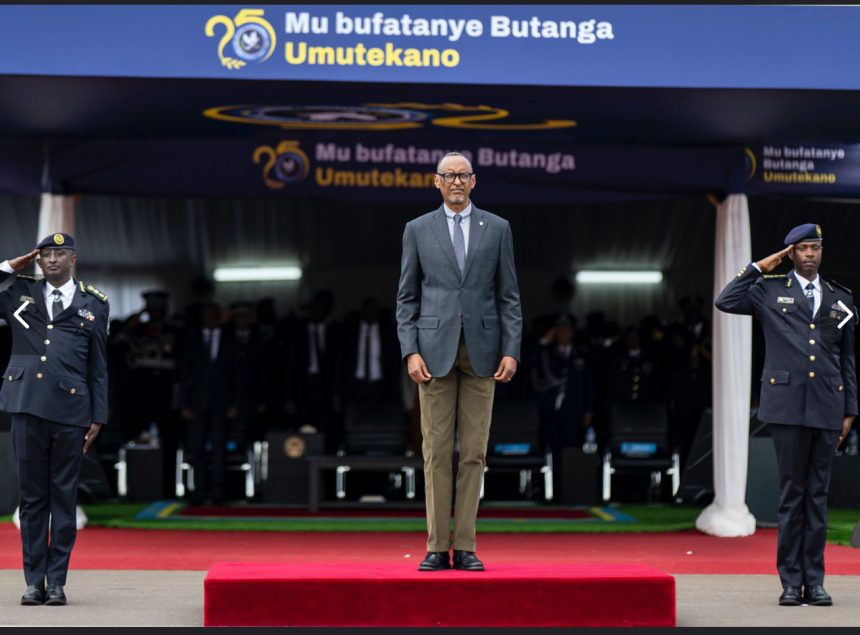
At the celebrations, President Kagame was unequivocal. He described the force’s record over the past twenty-five years as exceptional and unparalleled, crediting its officers, past and present, with giving ordinary Rwandans something that is all too easy to take for granted until it disappears: the freedom to go about their lives in peace, with dignity, and without fear.
That is no small achievement. In many parts of the world, it remains an aspiration rather than a lived reality.
What has distinguished the RNP has never been a single headline-grabbing success. Rather, it has been the cumulative effect of countless daily decisions; to act with professionalism, to reject corruption, to view policing not merely as an occupation but as a public trust.
As Inspector General, Felix Namuhoranye, underscored in his address, the institution has always been anchored in one enduring principle: the Rwandan citizen comes first.
From its inception, the force was built on the conviction that every Rwandan should be able to live free from fear.
That conviction became its foundation. Today, community participation in security is no longer a programme or policy initiative; it has become an enduring feature of Rwanda’s social fabric.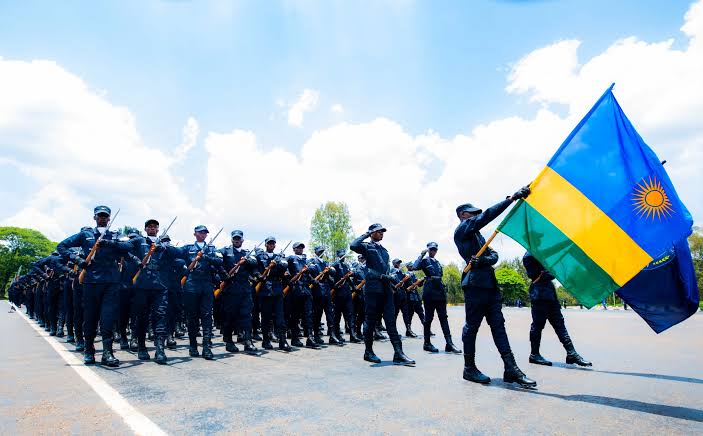

Having observed how the RNP engages with communities across the country, that principle feels anything but rhetorical.
It is reflected in the accessibility of officers, in the way disputes are often resolved before they escalate, and in the quiet confidence with which ordinary Rwandans engage with the police.
Relationships of that nature are not manufactured overnight. They are cultivated patiently, consistently, and with purpose.
The significance of that achievement has not escaped international attention. Scholars found Rwanda’s approach compelling enough to devote an entire volume to it, The Police and the Community in Rwanda, documenting how a nation that endured one of history’s darkest chapters rebuilt itself by placing the citizen at the centre of its security architecture.
The study concluded that Rwanda’s security and stability are rooted in a genuine partnership between the police and the public; that effective policing extends well beyond enforcing laws or combating crime; and that it is sustained through listening, trust, and a culture of solving problems collectively.
The RNP took the globally recognised concept of community policing and did something remarkably rare: it adapted it to Rwanda’s own history, values, and governance philosophy until it became not simply a model, but a defining national characteristic.
President Kagame spoke candidly to the newly commissioned officers about precisely this responsibility.
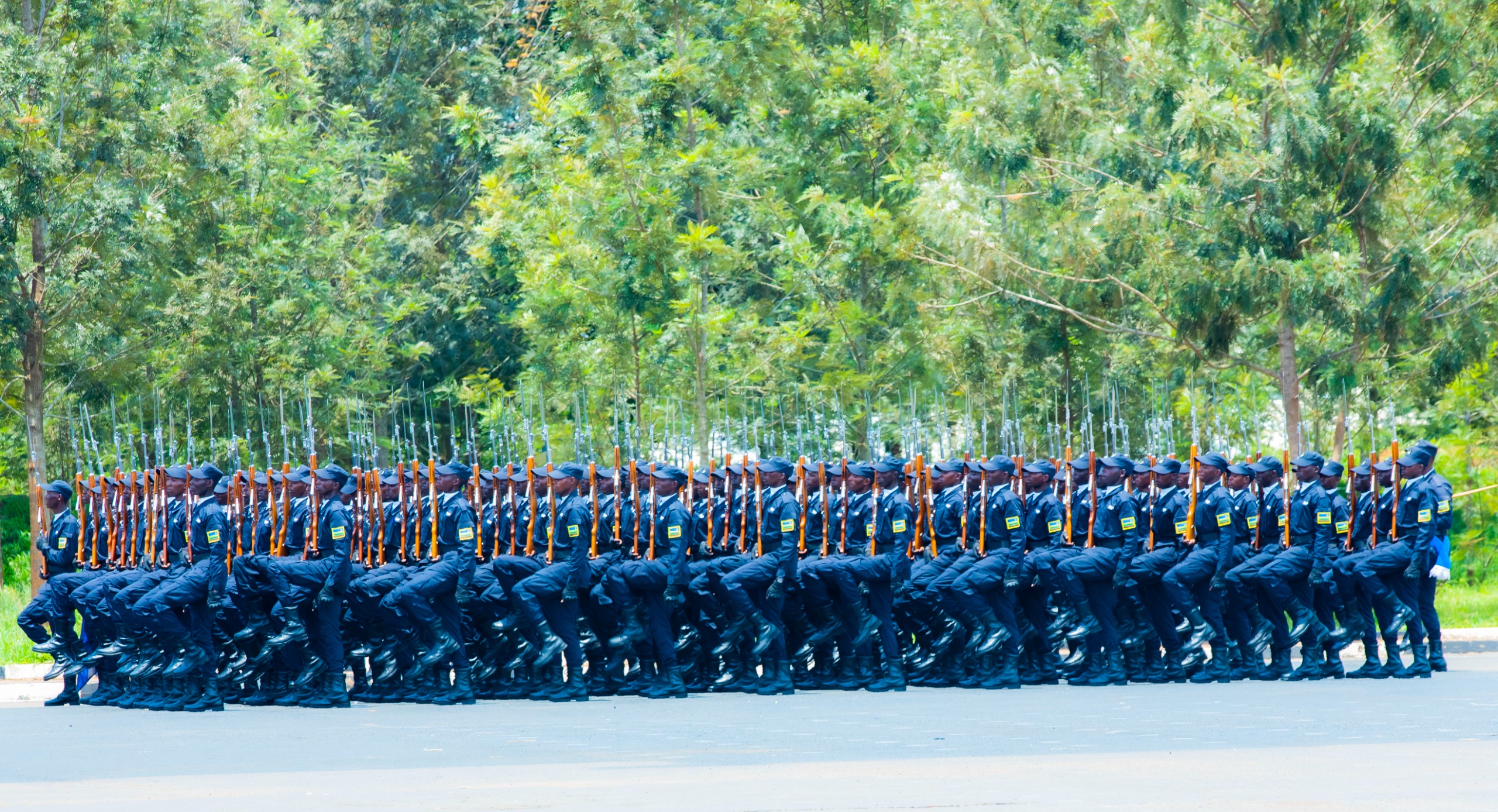

He also offered a tribute too often absent from such occasions: his gratitude to the families. To the spouses, parents, children, and loved ones who quietly carried their own burdens while officers fulfilled theirs.
That acknowledgement mattered, because behind every professional police service stands a network of unseen sacrifices that seldom find their way into official records.
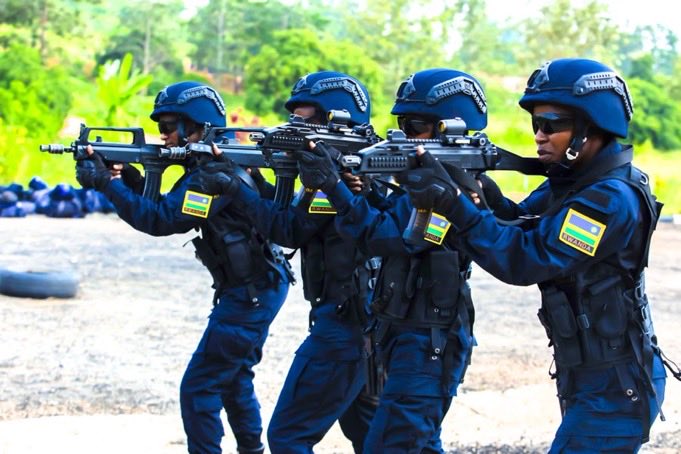
The RNP’s reputation extends well beyond Rwanda’s borders. Its officers have served with distinction in United Nations peacekeeping missions across Africa and beyond, carrying with them the same professionalism and values that define the institution at home.
In a world that too often underestimates what African institutions can achieve, they have become compelling ambassadors of Rwanda’s model.
Perhaps the clearest sign of an institution’s maturity, however, is its willingness to confront the future with honesty. Both President Kagame and Inspector General Namuhoranye acknowledged that the nature of crime is evolving, and that policing must evolve with it.
CG Namuhoranye illustrated the challenge with striking simplicity. A bank robber today, he observed, no longer needs to force open vaults or even enter the building.
The crime can be committed from another continent altogether. Stationing officers at a bank entrance offers little protection against an attack launched through a keyboard thousands of kilometres away. That is the new landscape of crime; sophisticated, digital, and borderless; and it demands a police service that is equally adaptive.
The RNP is already responding, investing in artificial intelligence and integrated digital platforms as the next frontier of modern policing.
His closing challenge to researchers captured that forward-looking mindset perfectly: the book on police and community has been written. The next one, he suggested, should be about police and technology.
Twenty-five years is a remarkable length of time to sustain institutional excellence. It is more remarkable still when measured against where the journey began.
The Rwanda National Police has done more than preserve law and order; it has helped restore public faith in the idea that authority, exercised with integrity and accountability, can become a force for national renewal.
On a continent where the relationship between citizens and law enforcement remains deeply contested in many places, that example carries profound significance.
Here is to the next twenty-five.