






Rwanda has adopted an ambitious biodiversity strategy aimed at strengthening conservation efforts, restoring degraded ecosystems, and promoting sustainable use of natural resources by 2030.
The revised National Biodiversity Strategy and Action Plan (NBSAP) outlines 22 national targets aligned with the global Kunming-Montreal Biodiversity Framework.
The plan seeks to increase ecosystem restoration, improve the management of protected areas, curb biodiversity loss, and mobilize up to $500 million for conservation initiatives over the next five years.
Among the targets are restoring degraded lands and wetlands, conserving at least 11 percent of terrestrial and inland water areas, and reducing invasive species in protected ecosystems.
Government officials say the strategy reflects Rwanda’s commitment to balancing environmental protection with economic growth.
Biodiversity plays a critical role in the country’s tourism sector, agriculture, water security, and climate resilience.
“Biodiversity is not only essential for ecological balance but also a key pillar of Rwanda’s socio-economic development. Protecting nature means protecting livelihoods, food security, and future generations,” a conservation expert involved in the strategy’s development said.
Rwanda has already recorded notable conservation successes in recent years.
Forest cover has increased to more than 30 percent of the country’s land area, while species reintroduction programs have helped restore populations of lions and rhinos in Akagera National Park.
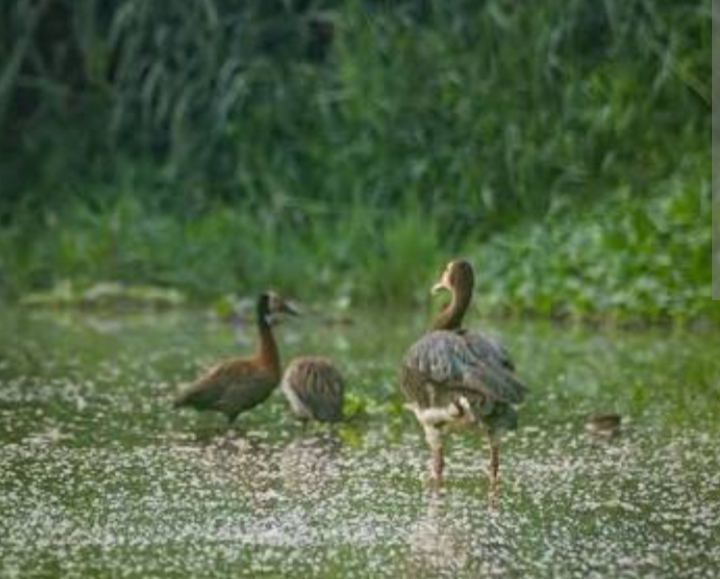
The recovery of the endangered grey crowned crane has also been highlighted as a major achievement.
Despite this progress, the country continues to face challenges from climate change, pollution, agricultural expansion, urbanization, invasive species, and illegal exploitation of natural resources.
Experts warn that these pressures threaten ecosystems, wildlife habitats, and ecosystem services that support millions of people.
The revised strategy emphasizes stronger community participation, enhanced research and monitoring systems, improved policy integration, and increased investment in nature-based solutions.
Authorities believe these measures will help build resilience against climate change while supporting sustainable development goals.
Background
Rwanda is recognized as one of Africa’s biodiversity hotspots due to its location within the Albertine Rift region. The country is home to diverse ecosystems, including montane forests, savannahs, wetlands, rivers, and lakes that support thousands of plant and animal species. Conservation areas such as Nyungwe National Park, Akagera National Park, Volcanoes National Park, and Gishwati-Mukura National Park play a vital role in protecting endangered wildlife and supporting nature-based tourism.
The updated biodiversity strategy was developed following the successful implementation of Rwanda’s previous NBSAP and aims to address remaining conservation gaps while aligning national priorities with global biodiversity commitments.