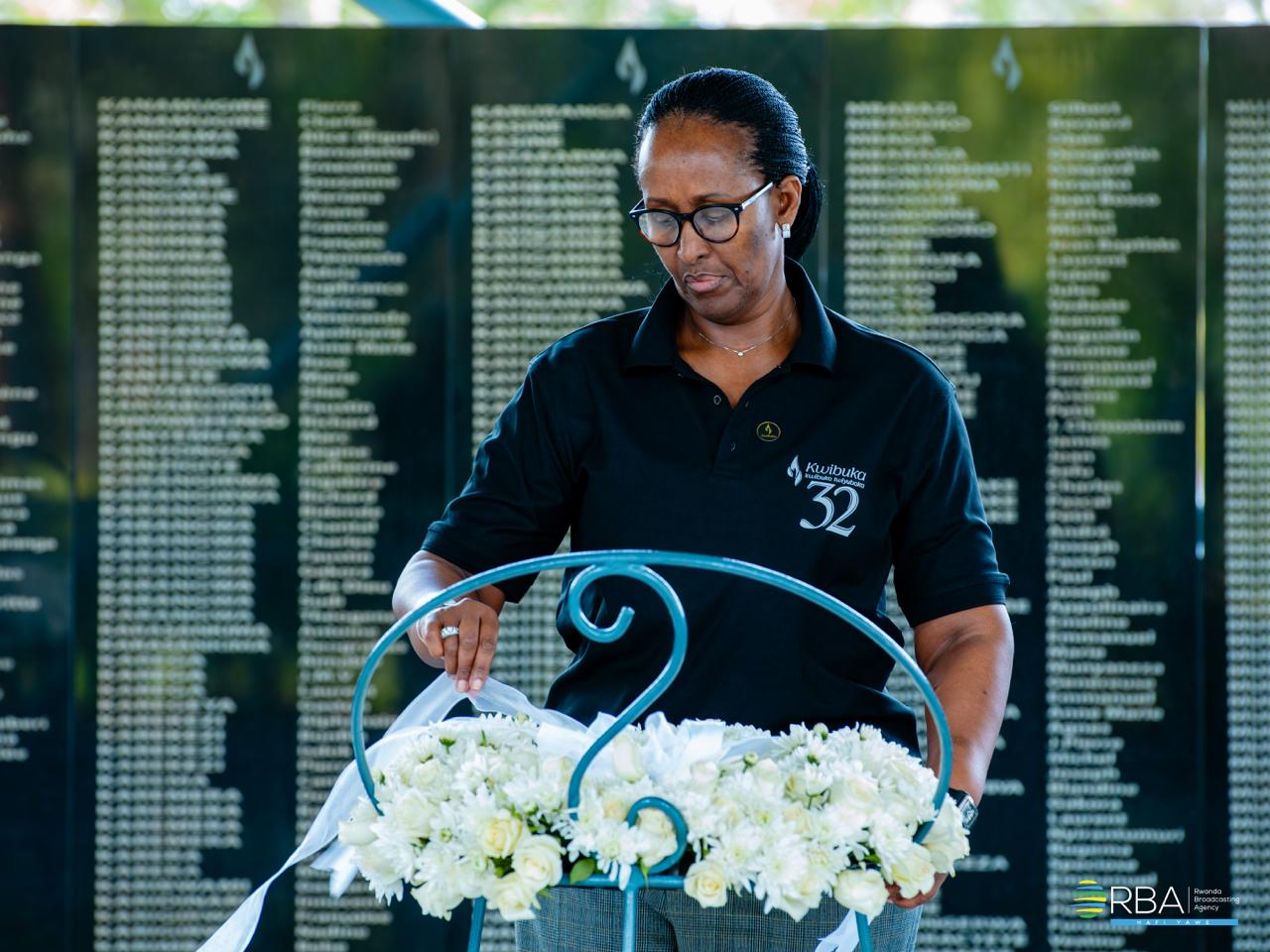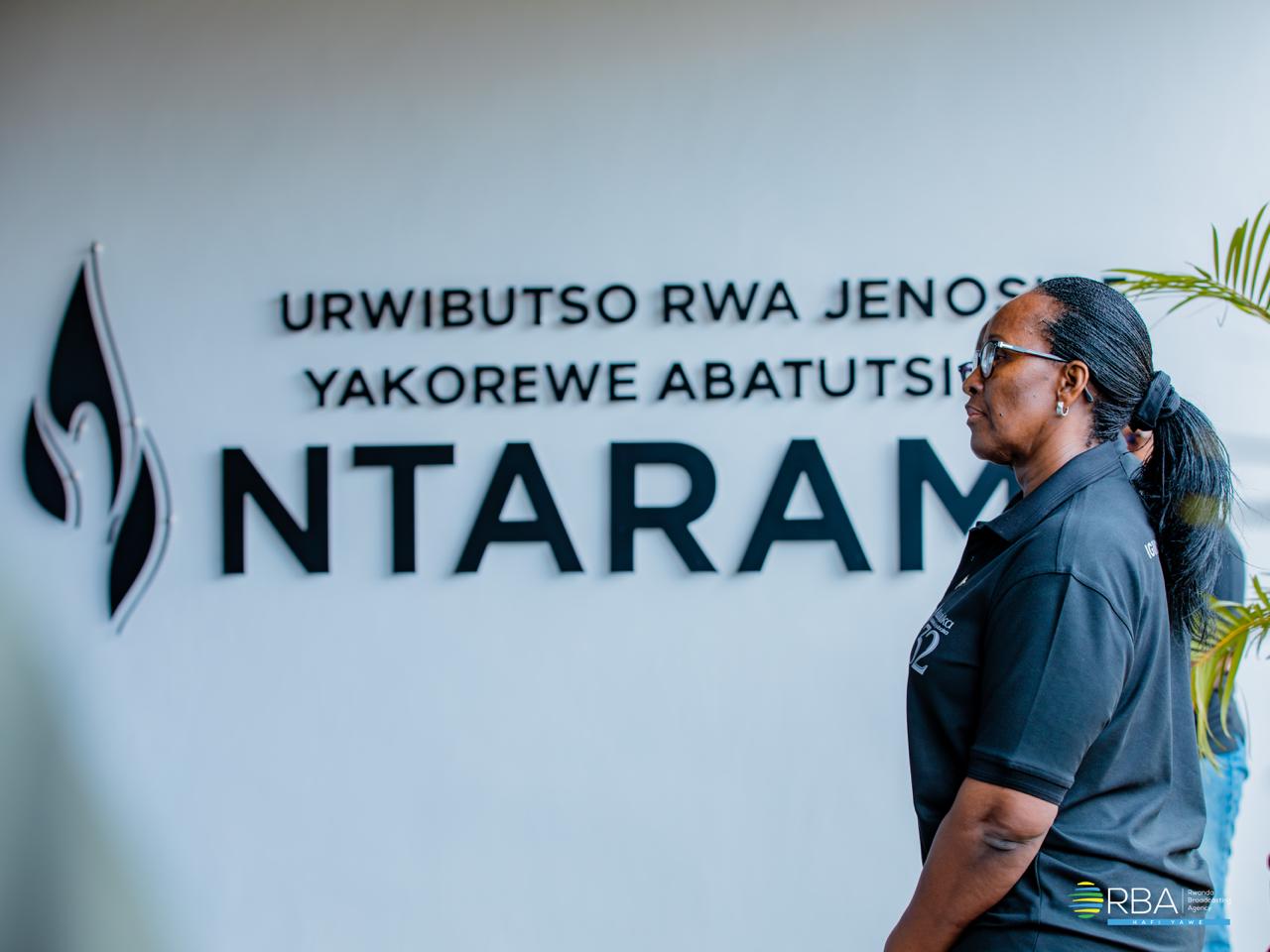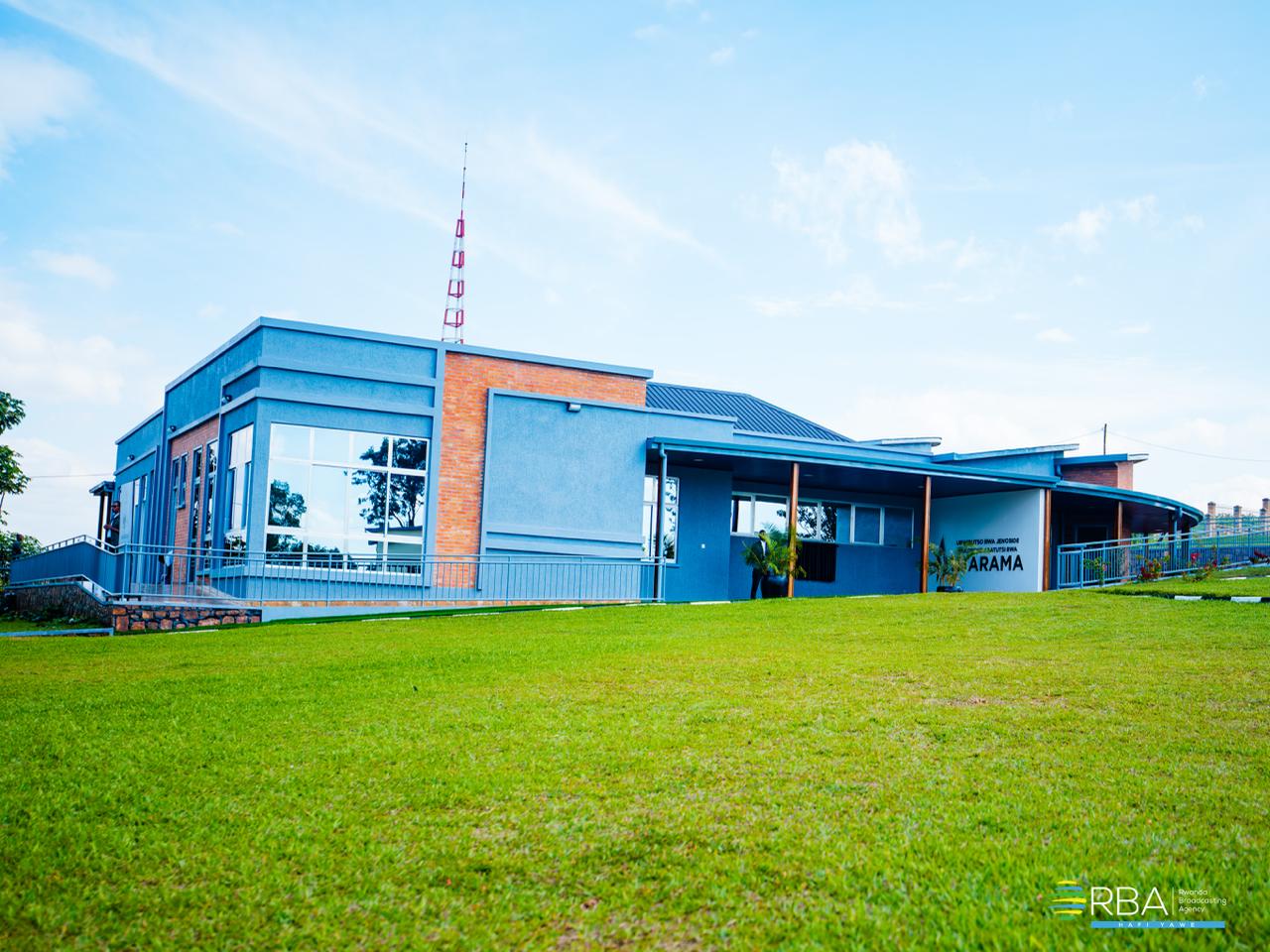


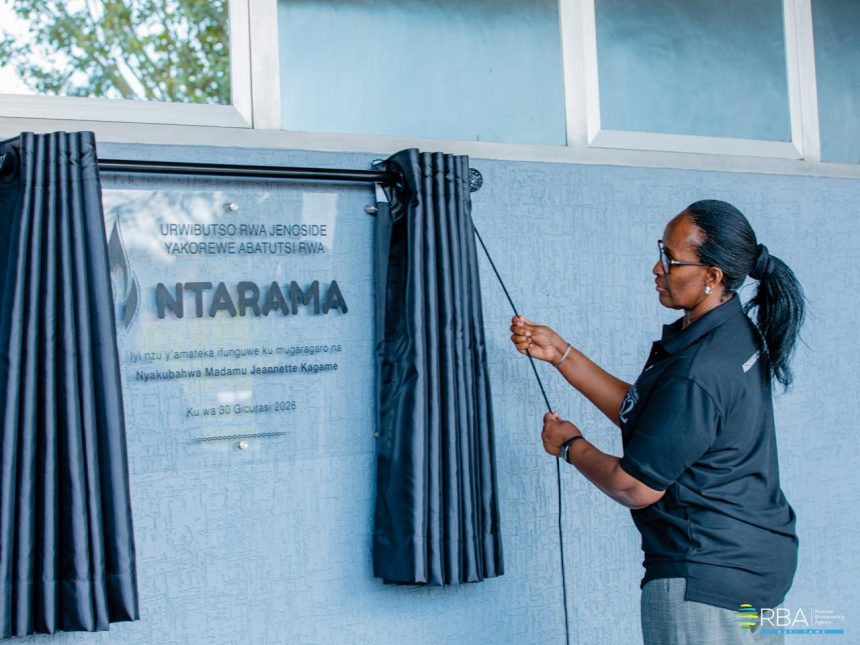
Rwanda’s First Lady, Jeannette Kagame, on Saturday inaugurated the Ntarama Genocide Memorial Gallery, a new historical exhibition center established at the Ntarama Genocide Memorial Site in Bugesera District.
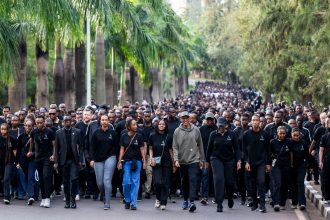
The inauguration ceremony began with the laying of wreaths and a moment of silence in honor of more than 5,000 victims of the 1994 Genocide against the Tutsi who are laid to rest at the memorial.
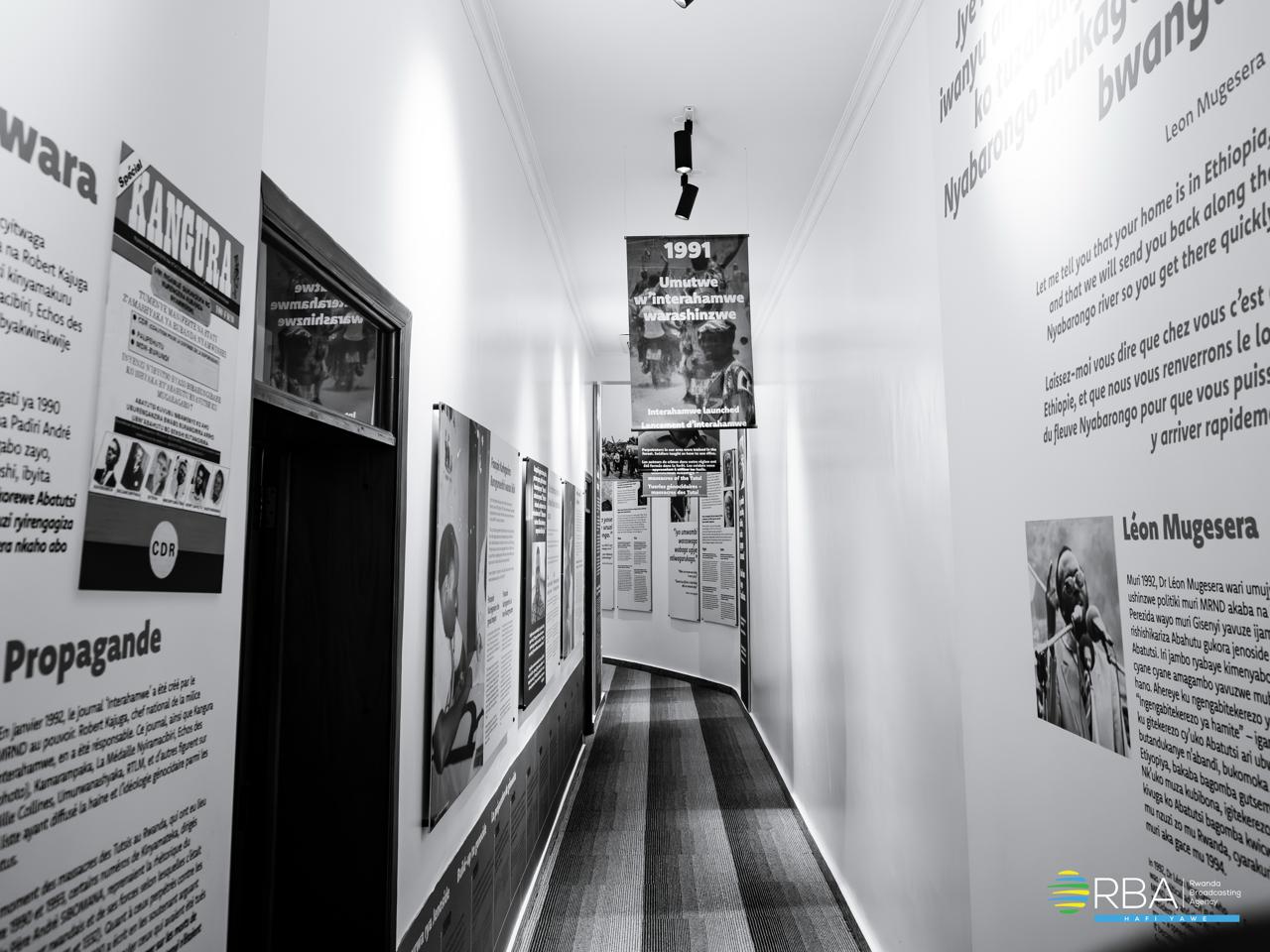
The newly opened gallery presents Rwanda’s history through three major thematic sections.
The first highlights the harmonious coexistence that characterized Rwandan society before colonial rule. The second traces the roots, planning, and execution of the Genocide against the Tutsi.
The third documents the history of the genocide in Bugesera, its eventual halt, and Rwanda’s journey of recovery, unity, and reconstruction in the years that followed.
The facility is designed to preserve historical evidence and provide visitors with a deeper understanding of the events that led to the genocide, the atrocities committed, and the resilience demonstrated by survivors and the nation as a whole.
With its opening, Ntarama becomes the third genocide memorial site in Rwanda to host a dedicated Genocide Memorial Center.
It joins the memorial centers at the Kigali Genocide Memorial in Gisozi and the Murambi Genocide Memorial in Nyamagabe District.
The development forms part of a broader national initiative led by the Ministry of National Unity and Civic Engagement to establish Genocide Memorial Centers at all ten national memorial sites across the country.
According to the ministry, the program is already underway, with the next center planned for the Nyange Genocide Memorial.
Officials say the project aims to strengthen genocide education, preserve historical memory, and ensure future generations continue to learn about the causes, consequences, and lessons of the Genocide against the Tutsi.
Speaking at the inauguration, Jeannette Kagame emphasized the importance of preserving history and ensuring that the memory of the victims remains a source of learning, reflection, and commitment to preventing genocide and fostering national unity.
The new gallery is expected to serve as an important educational resource for Rwandans and international visitors seeking to understand the country’s history and its path toward reconciliation and renewal.