





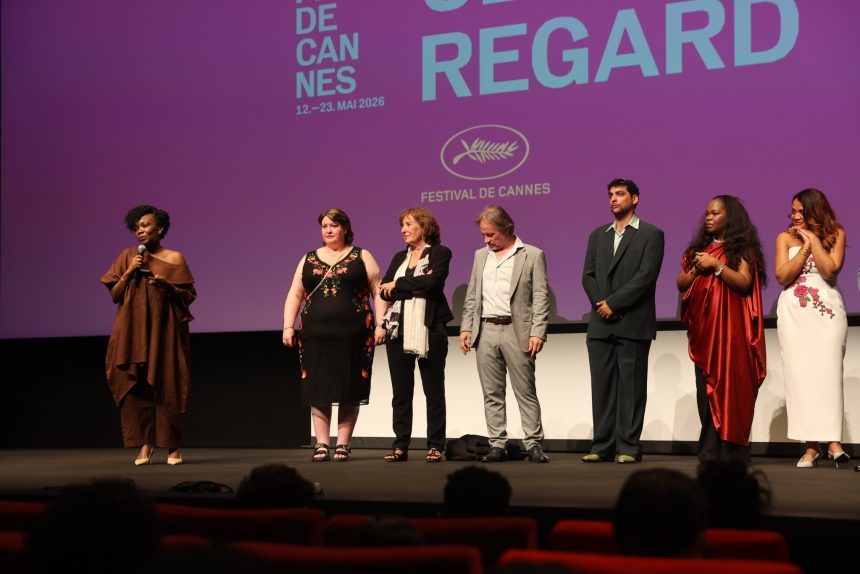
Rwandan cinema reached a historic milestone this week as Ben’Imana premiered in the Un Certain Regard section of the 79th edition of the Cannes Film Festival, marking the first time a film directed by a Rwandan filmmaker has been selected for the festival’s Official Selection.
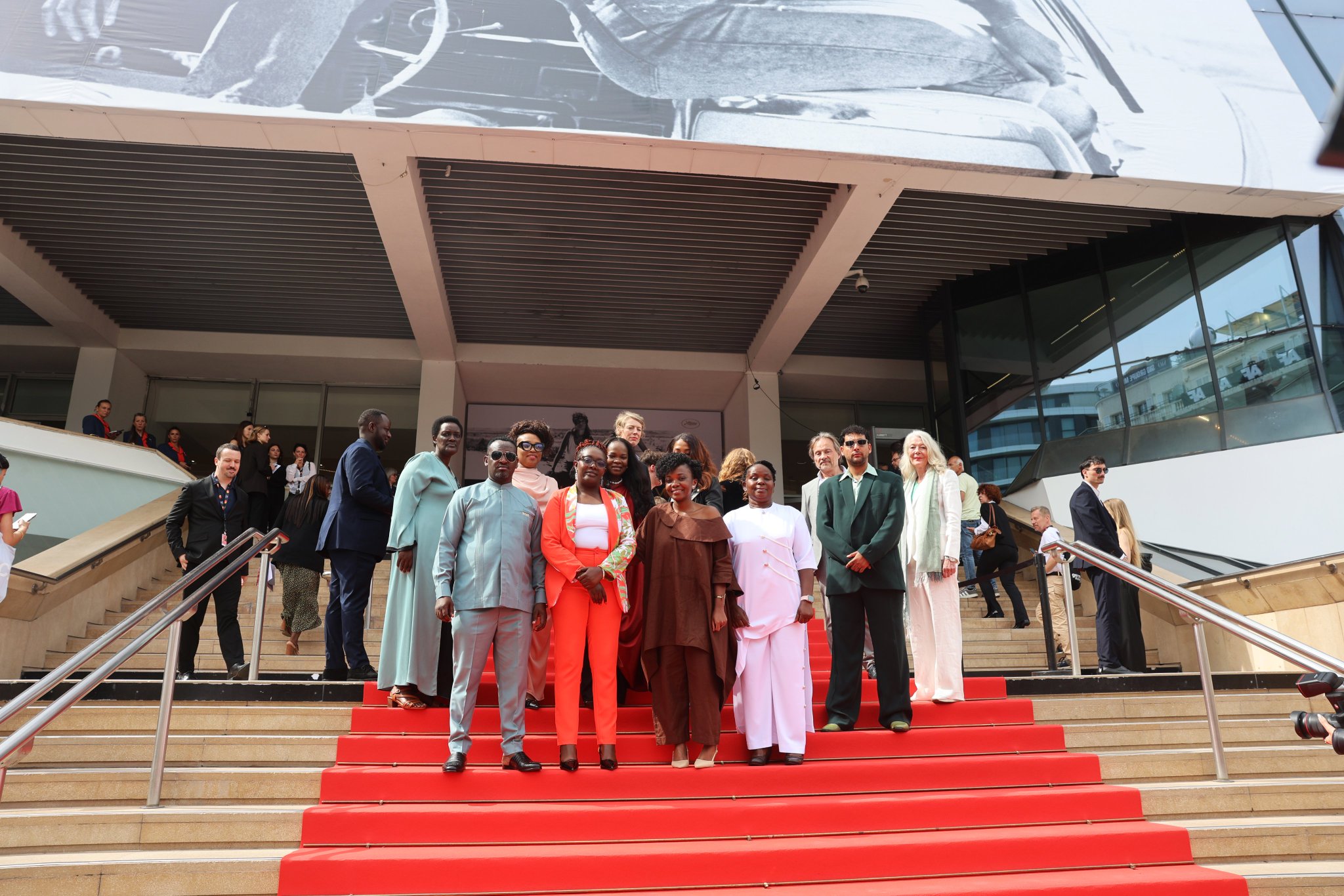
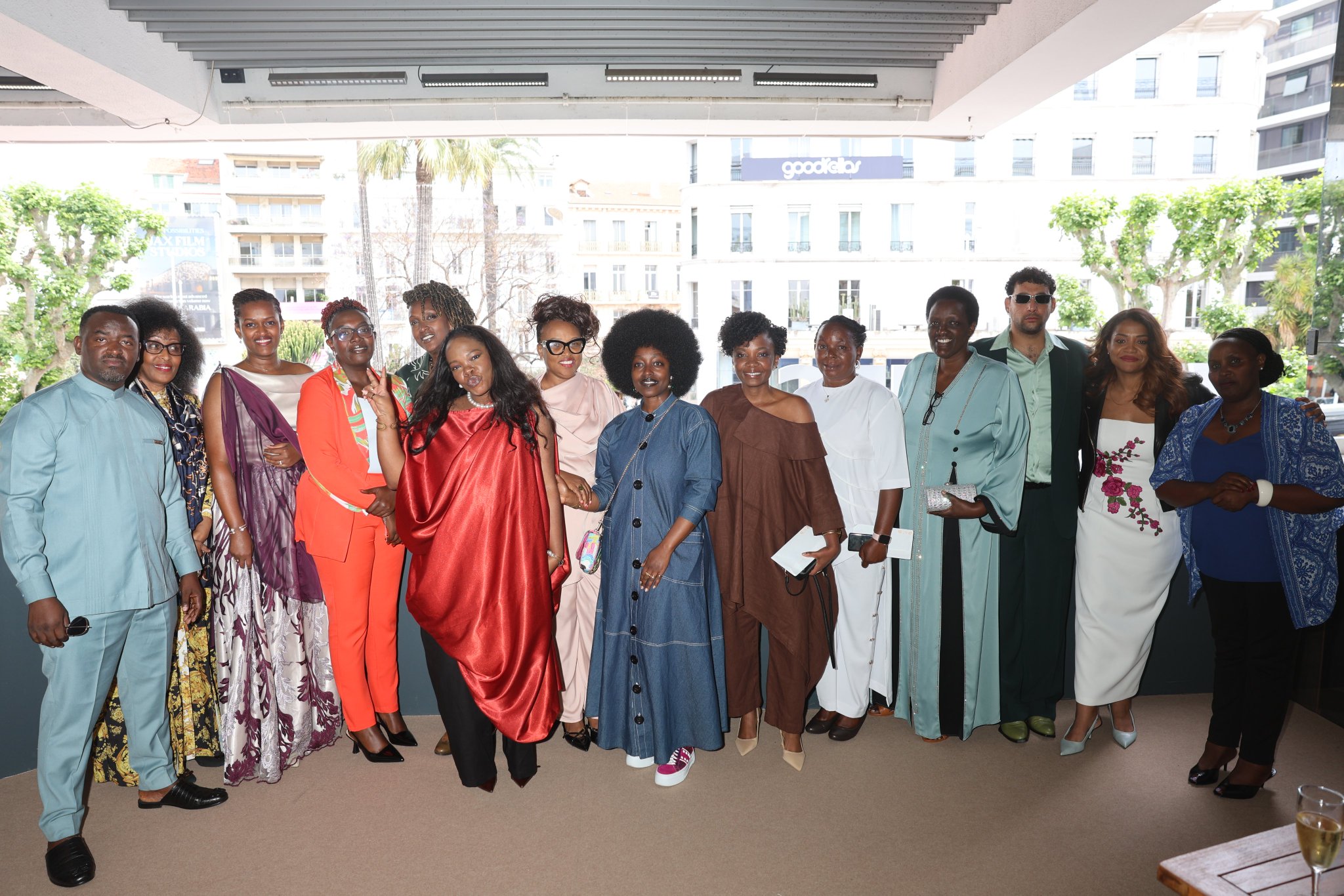
Directed by acclaimed Rwandan filmmaker Marie-Clémentine Dusabejambo, the feature film received international attention during its world premiere in Cannes, where cast members and members of the production team appeared on the red carpet alongside global celebrities including Bella Hadid and Yolanda Hadid.
Ben’Imana, Dusabejambo’s first feature-length film after directing several acclaimed short films, is competing for the Un Certain Regard Prize, one of Cannes’ most respected categories dedicated to bold and emerging cinematic voices.
The film explores Rwanda’s post-genocide reconciliation process and is set in 2012, nearly two decades after the 1994 Genocide against the Tutsi.
The story follows Veneranda, a survivor who participates in gacaca-inspired community justice and reconciliation efforts while confronting painful personal and generational trauma within her own family.
The production brings together an international creative team while remaining deeply rooted in Rwanda’s social and cultural realities.
The cast includes Clémentine U. Nyirinkindi, Isabelle Kabano, and Leocadie Uwabeza, while cinematography was handled by Mostafa El Kashef. Producer Samantha Biffot also played a key role in bringing the project to the international stage.
Contrary to earlier reports circulating online, available festival and production records indicate that Ben’Imana was recognised through the Red Sea Souk post-production programme and received post-production support awards rather than direct production financing from the Red Sea Fund.
Film critics at Cannes have already praised the project for its emotional depth and sensitive portrayal of reconciliation, memory, and healing in post-genocide Rwanda.
European cinema publication Cineuropa described the film as a “powerfully emotional first feature” firmly anchored in Rwanda’s post-genocide reality.
For Rwanda’s creative industry, the Cannes selection represents more than a cinematic achievement.
Industry observers say the moment signals the growing international recognition of Rwandan storytelling and highlights the country’s emergence as an important voice in African cinema.
Over the past decade, Rwandan filmmakers have increasingly earned international acclaim through films that examine identity, justice, resilience, and collective memory.
Ben’Imana now stands as one of the country’s most visible cultural achievements on the global stage.
Speaking about the film, Dusabejambo said she wanted the project to create “a space for dialogue and tenderness” while exploring whether healing and reconstruction are possible after historical trauma.