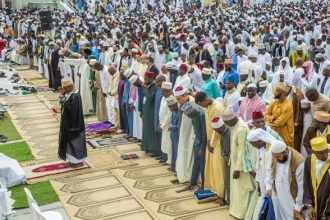


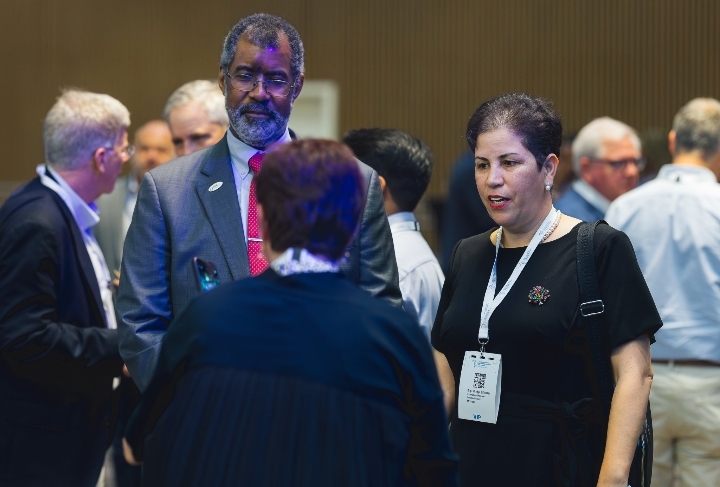
Kigali is hosting hundreds of delegates and distinguished guests attending the continents significant second summit on nuclear energy, investment, and sustainable development.
The summit taking place(18-21) at the Kigali Convention Centre, is guided by the theme; “Powering Africa’s Future: Turning Nuclear Energy Ambition into Investable Reality.”
President Paul Kagame on Tuesday told delegates that “For Africa, energy is not simply a development issue, it is the foundation of industrial growth and competitiveness.”
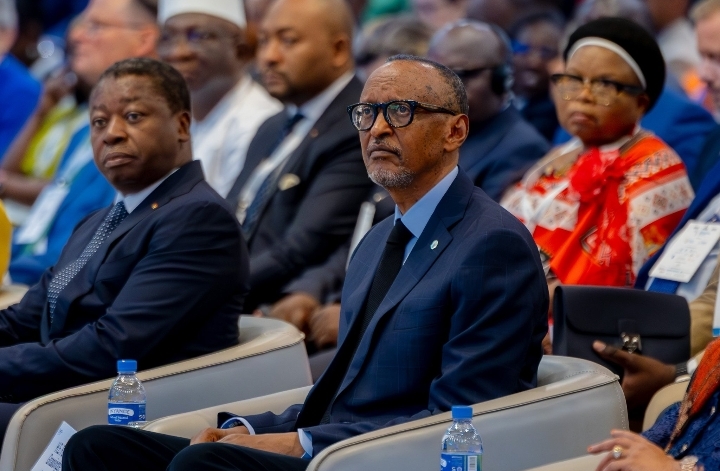
He was addressing the second edition of the Nuclear Energy Innovation Summit for Africa (NEISA) joined by Faure Essozimna Gnassingbé, President of the Council of Togo and Samia Suluhu Hassan, President of Tanzania as well as Rafael Mariano Grossi, Director General of the International Atomic Energy Agency.
The heads of state and other key industry players are focusing on shared direction, fit-for-purpose financing approaches, and structured deployment pathways, particularly for small modular reactors and micro modular reactors.
“Last year, the World Bank decided to end the ban on financing nuclear power projects. At COP28, governments called on international financing institutions to include nuclear energy in their portfolios. Now is the time to work together to make this shift urgently in Africa,” President Kagame said.
Advances in Small Modular Reactors (SMRs) and Micro Modular Reactors (MMRs) have made nuclear energy a practical, scalable, and safer option for African contexts.

Africa Nuclear Ambitions
As of 2026, South Africa is the only African country operating a commercial nuclear power plant. The Koeberg Nuclear Power Station near Cape Town.
Rwanda has recently unveiled a U$5-6 billion nuclear power plant to be operational by 2030.
“Rwanda is pleased to have successfully completed the phase one integrated nuclear infrastructure review. We intend to have nuclear energy operational by the early 2030’s and this assessment confirms that we are on track,” President Kagame said.
He added, “by 2050, Africa will have the largest work force in the world. This demographic shift can become one of the greatest economic advantages of this century if we prepare for it.”
Rwanda’s nuclear ambitions will position the East African country not just as a technology hub for Africa but as a future leader in clean energy innovation.
Nuclear Energy provides stable 24/7 electricity unlike weather-dependent sources.
“Speeches can be very nice, but what we need is a reality that changes the lives of people out there. And nuclear energy can be a part of that,” said Rafael Mariano Grossi, Director General of the IAEA
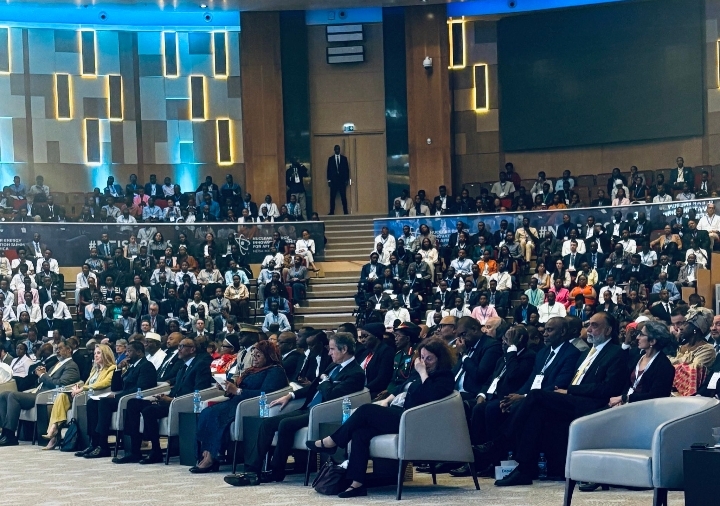

Dr. Samia Suluhu Hassan, President of the United Republic of Tanzania, told delegates that Africa’s growing industrialisation, digital transformation, and energy demand require reliable and sustainable power systems capable of supporting long-term development across the continent.
She noted that Tanzania is committed to strengthening partnerships and exploring peaceful nuclear energy solutions as part of the country’s long-term energy strategy.