




This one is a classic gaffe. The Democratic Republic of Congo’s presidency has come under intense criticism after Rwanda’s Foreign Minister, Olivier Nduhungirehe, publicly challenged what he described as a fabricated account of the DRC’s participation at the Africa Forward Summit held in Nairobi on May 11 and 12, 2026.
The controversy began when Farah Muamba Kayowa, Director of Communications at the Congolese Presidency, released an official statement claiming that the DRC had actively participated in summit discussions.
According to the statement, Kinshasa used the Nairobi platform to call for respect for multilateralism, responsible diplomacy, and an end to what it described as thirty years of silence over mass atrocities linked to alleged Rwandan aggression.
The statement read in part: “The Democratic Republic of the Congo participated in the discussions, while notably demanding respect for multilateralism, a diplomacy of responsibility, and an end to the silence regarding mass atrocities such as those it has endured for thirty years, following the Rwandan aggression.”
Minister Nduhungirehe flatly rejected the claim.
“This assertion is utterly false and completely fanciful. It is simply a shameless lie, a story fabricated from A to Z,” he said.
The minister then detailed what he described as the actual proceedings of the summit.
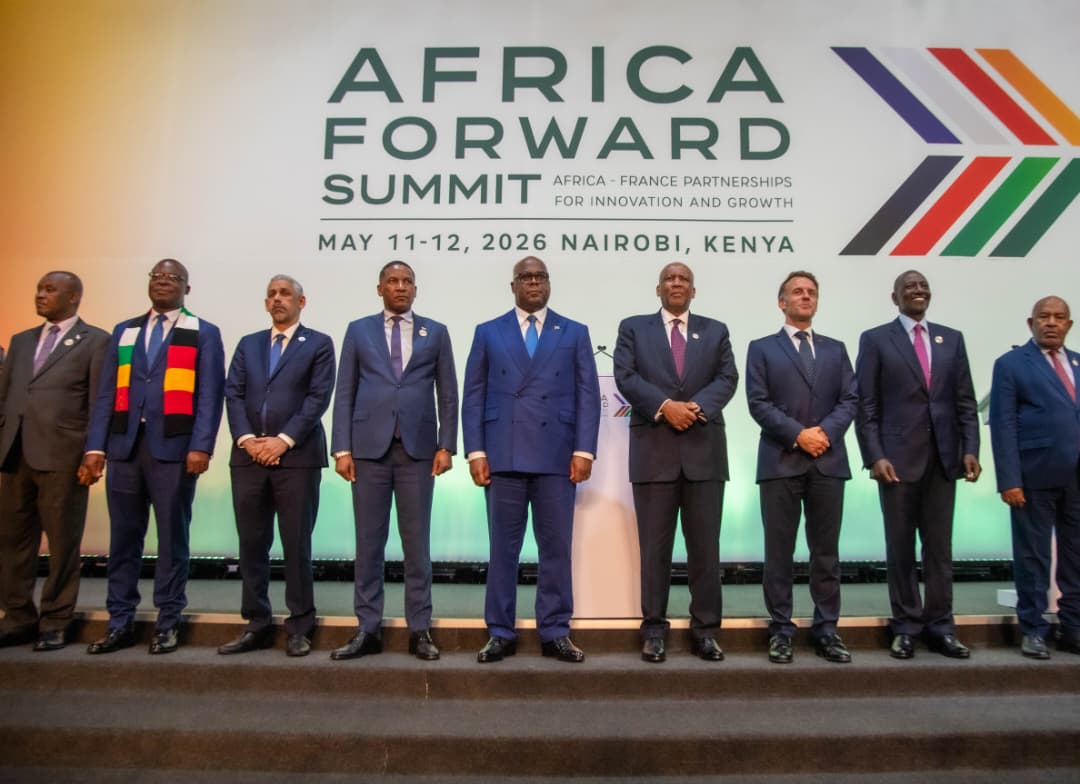
The Africa Forward Summit, co-chaired by Kenyan President William Ruto and French President Emmanuel Macron, featured three plenary sessions attended by heads of state and senior delegations. The discussions focused on green industry and the energy transition, reform of the international financial architecture, and peace and security.
According to Minister Nduhungirehe, all three sessions were interactive and featured on-record participation from attending leaders. In each of those sessions, he said, the DRC’s seat remained empty.
“Consequently, Kinshasa was unable to demand anything or accuse anyone in Nairobi, settling for a merely symbolic presidential participation at the summit’s closing,” he said.
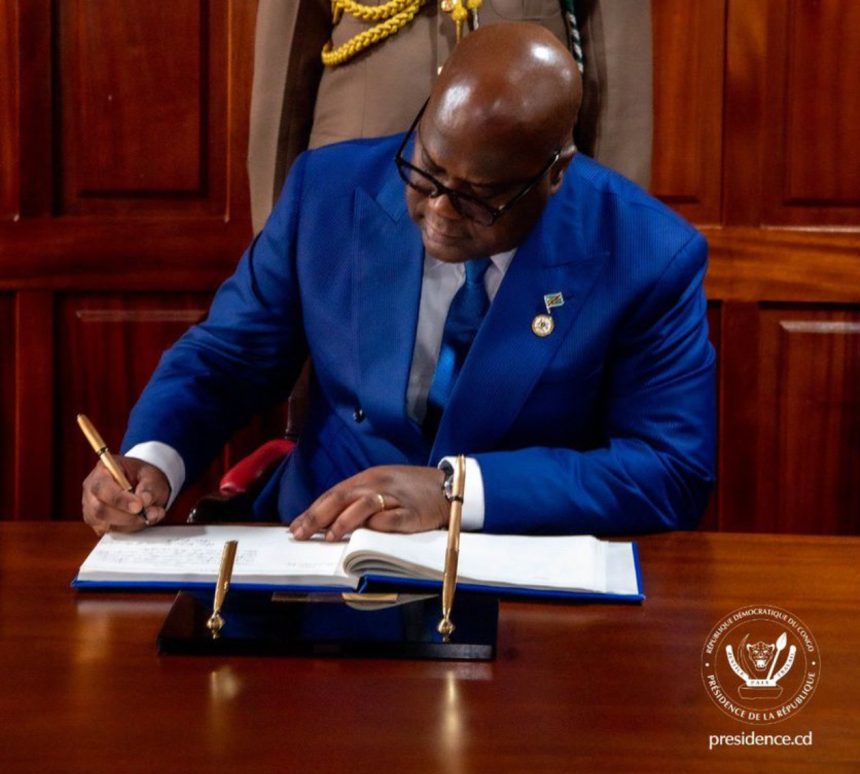
President Félix-Antoine Tshisekedi reportedly arrived only toward the end of the summit after attending Ugandan President Yoweri Museveni’s swearing-in ceremony, making what observers described as a brief and largely symbolic appearance during the closing stage of the Nairobi gathering.
That timeline further complicates the Congolese presidency’s claims of active participation throughout the summit discussions.
While Farah Muamba Kayowa’s statement asserted that the DRC intervened during deliberations, it did not specify which plenary sessions Tshisekedi attended, what interventions he made, or which leaders he engaged during the substantive discussions.
Instead, the statement shifted toward broader diplomatic messaging, highlighting the DRC’s upcoming presidency of the United Nations Security Council in July, its self-description as a “solutions country” for climate, energy transition, and peace, and its claim that the summit’s conclusions would contribute to G7 discussions under the French presidency.
Critics argue that none of those points addressed the central issue raised by Rwanda’s foreign minister: whether the DRC actually participated in the summit’s substantive sessions at all.
The contradiction between the two narratives is stark.
The DRC’s official portrays her country as actively addressing the international community in Nairobi; the Rwandan official maintains that the Congolese delegation was absent from every substantive session and therefore could not have made the interventions later attributed to it by the presidency.
 The fallout quickly spread onto X, formerly Twitter, where many Congolese users reacted with anger, ridicule, and embarrassment over the presidency’s statement.
Several posts mocked Farah Muamba Kayowa for what critics described as an unnecessary and easily disproven fabrication, arguing that the episode had humiliated the country on an international stage.
Others questioned why the presidency would issue such a falsely detailed claim about participation at a summit whose proceedings were attended by dozens of international delegations and widely documented by participants and media.
The episode has added to broader criticism frequently directed at Kinshasa’s official communications, with regional observers arguing that the Congolese government has repeatedly been accused of presenting misleading or exaggerated accounts on diplomatic and security matters.
For critics, being publicly challenged over participation at a high-level summit attended by heads of state and closely documented by international delegations is an intensely damaging precedent to the credibility of the presidency’s communications office even further.
The controversy has also intensified scrutiny surrounding official narratives linked to the ongoing crisis in eastern Congo.
As of now, no independent public account has emerged contradicting Minister Nduhungirehe’s version of events, and the DRC has not issued a correction or detailed clarification regarding its claimed participation in the Nairobi summit.