


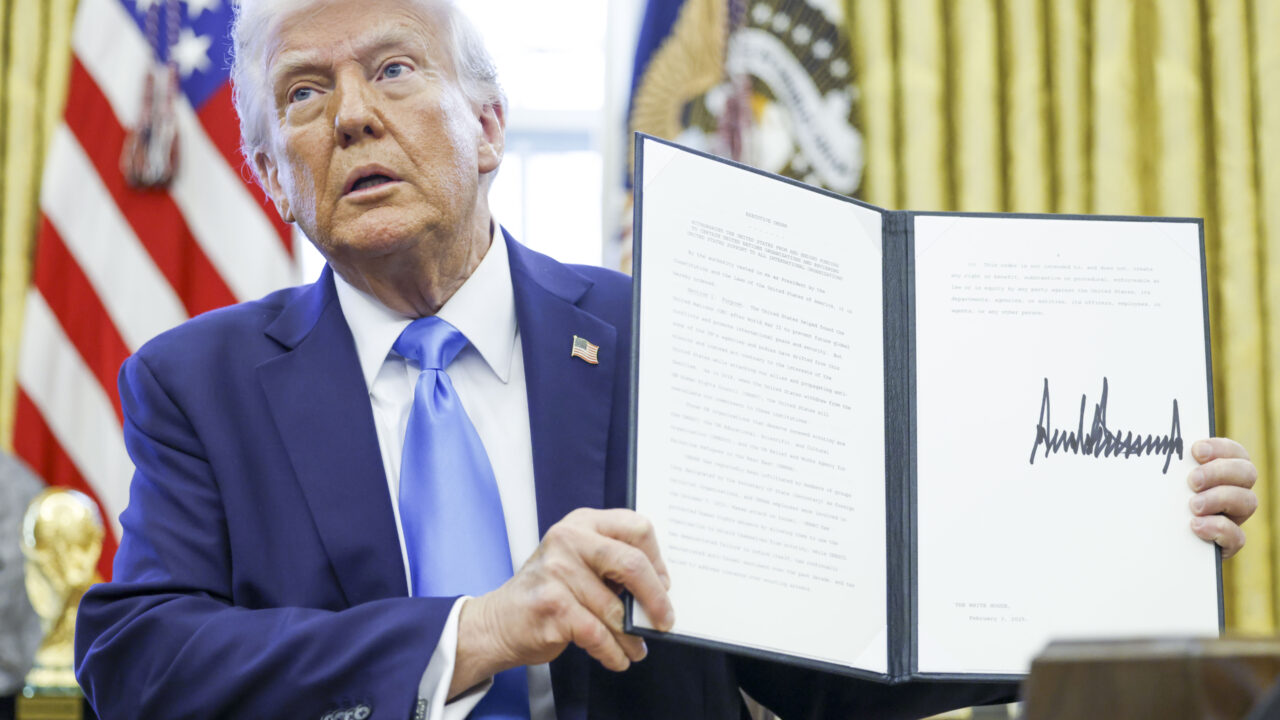
President Donald Trump has ordered the United States to withdraw from 66 international organizations, including key United Nations agencies focused on population, climate, labour, and migration, marking a major escalation in the administration’s retreat from multilateral cooperation.
The decision, announced Wednesday, follows the signing of an executive order suspending U.S. support for dozens of organizations, agencies, and commissions after a comprehensive administration-wide review of American participation in international bodies, including those affiliated with the United Nations, according to a White House release.
Most of the organizations targeted are U.N.-related agencies, commissions, and advisory panels. Administration officials said many focus on climate policy, labour standards, migration, and social issues that the Trump administration has criticized as advancing diversity, equity, and other initiatives it characterizes as “woke.” Non-U.N. organizations on the list include the Partnership for Atlantic Cooperation, the International Institute for Democracy and Electoral Assistance, and the Global Counterterrorism Forum.
In a statement, the State Department said the administration determined that the organizations were “redundant in their scope, mismanaged, unnecessary, wasteful, poorly run, captured by the interests of actors advancing their own agendas contrary to our own, or a threat to our nation’s sovereignty, freedoms, and general prosperity.”
The withdrawals include the U.N. Framework Convention on Climate Change, or UNFCCC, the 1992 treaty underpinning international climate negotiations and the Paris climate agreement. Trump, who has repeatedly called climate change a hoax, withdrew the United States from the Paris accord shortly after returning to office. The UNFCCC provides a framework for nearly 200 countries to coordinate climate policy and finance climate-related efforts in developing nations.
Critics said the move could undermine global efforts to reduce greenhouse gas emissions and weaken U.S. influence over international climate policy. Gina McCarthy, former White House national climate adviser, called the decision “shortsighted, embarrassing, and foolish,” arguing that it forfeits decades of U.S. leadership and the ability to shape trillions of dollars in global investments.
Climate scientists warned that U.S. disengagement could slow international progress. Rob Jackson, a Stanford University climate scientist who chairs the Global Carbon Project, said the withdrawal gives other countries “an excuse to delay their own actions and commitments,” adding that meaningful progress is unlikely without cooperation from one of the world’s largest emitters and economies.
The administration is also withdrawing from the U.N.’s population agency, which provides sexual and reproductive health services worldwide. The agency has long been a target of Republican criticism. During Trump’s first term, the U.S. cut funding to the organization over allegations that it supported coercive abortion practices in China. A State Department review conducted during the Biden administration later found no evidence to support those claims, and funding was restored in 2021.
Additional organizations slated for U.S. withdrawal include the Carbon Free Energy Compact, the United Nations University, the International Cotton Advisory Committee, the International Tropical Timber Organization, the Pan-American Institute for Geography and History, the International Federation of Arts Councils and Culture Agencies, and the International Lead and Zinc Study Group.
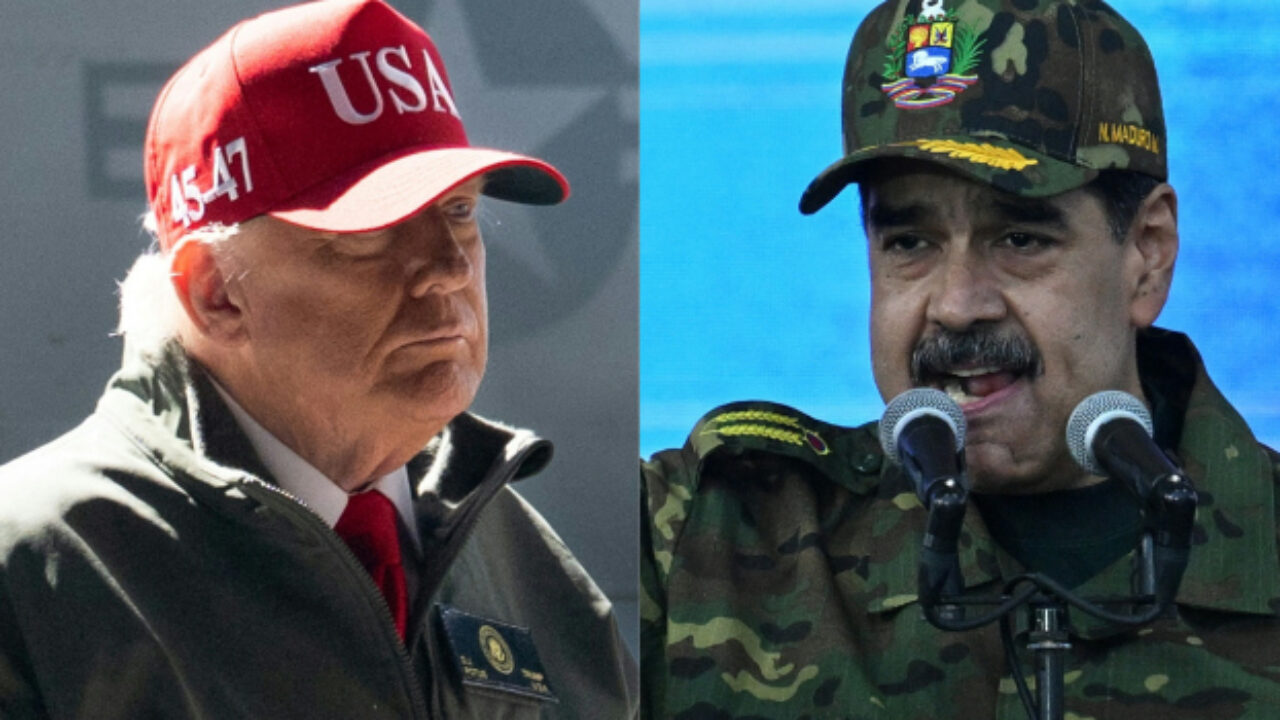
The move comes amid broader shifts in U.S. foreign policy that have unsettled allies and adversaries alike. The administration has launched military operations and issued threats abroad, including actions involving Venezuela and statements signalling interest in asserting control over Greenland.
The withdrawals build on earlier decisions to suspend U.S. participation or funding for agencies such as the World Health Organization, the U.N. Relief and Works Agency for Palestinian refugees, the U.N. Human Rights Council, and UNESCO. Together, the actions reflect what analysts describe as an à la carte approach to multilateral engagement, with Washington selectively backing organizations it believes align with Trump’s agenda.
“I think what we’re seeing is the crystallization of the U.S. approach to multilateralism, which is ‘my way or the highway,’” said Daniel Forti, head of U.N. affairs at the International Crisis Group. “It’s a very clear vision of wanting international cooperation on Washington’s own terms.”
The shift has forced the United Nations, already undergoing internal reforms, to cut staff and programs. Independent nongovernmental organizations, including those that partner with the U.N., have also reported widespread project closures following the administration’s earlier decision to slash foreign assistance through the U.S. Agency for International Development.
Despite the withdrawals, administration officials say the United States is not abandoning international cooperation entirely. They argue that U.S. resources should instead be concentrated on organizations where Washington sees strategic competition with China and opportunities to shape global standards, including the International Telecommunications Union, the International Maritime Organization, and the International Labor Organization.
The State Department said reviews of additional international organizations are ongoing, signalling that further withdrawals could follow.