






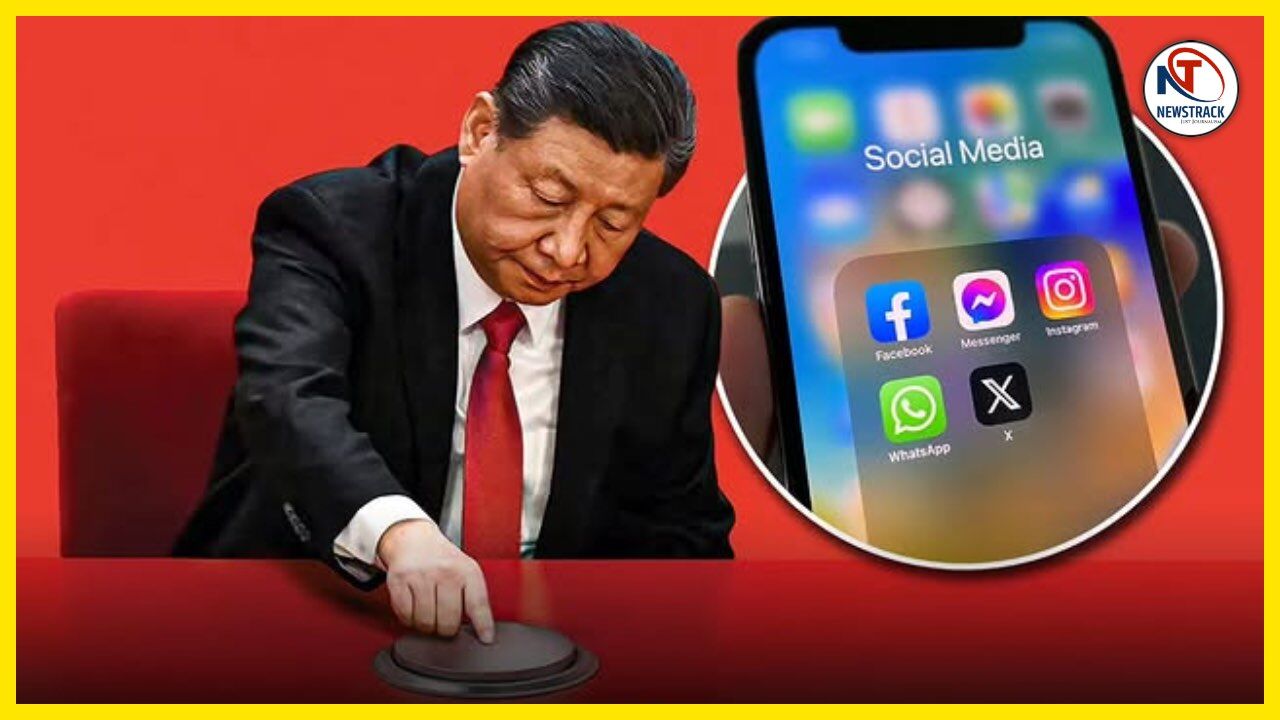
China has introduced a sweeping new law that tightens control over social media influencers, requiring them to prove official qualifications before publishing content on sensitive topics such as medicine, law, education, and finance.
The regulations, issued by the Cyberspace Administration of China (CAC), represent one of the country’s most stringent efforts yet to regulate online content and curb misinformation.
Under the new rules, influencers must hold a recognized university degree, professional license, or certification to discuss regulated areas.
The policy applies to all major Chinese social media platforms, including Douyin (China’s version of TikTok), Weibo, and Bilibili, which are now responsible for verifying the credentials of their content creators.
The CAC has also banned advertising for medical products, supplements, and health foods, citing concerns over covert promotions disguised as “educational” material.
The ban extends to online influencers and digital platforms alike, which must ensure transparency when posting content that includes references or AI-generated material.
Creators are now required to clearly disclose whether information is sourced from studies or enhanced using artificial intelligence.
Defending the policy, the CAC said the new law aims to protect the public from misleading information and harmful online advice.
“This regulation strengthens accountability and ensures that professional information comes from qualified experts,” the agency stated.
The move has sparked significant debate on Chinese social media. Supporters argue that the rule will improve the quality and reliability of online discussions. “It’s about time people with real expertise led the conversation,” commented one user on Weibo.
However, critics warn that the policy could stifle creativity and restrict freedom of expression, giving authorities greater power to decide who is deemed an “expert.”
“Next thing you know, we’ll need a license to post opinions,” a Beijing-based content creator wrote online.
The new regulation marks a major shift in China’s influencer culture, redefining who can speak authoritatively on sensitive topics in one of the world’s most tightly monitored digital spaces.