


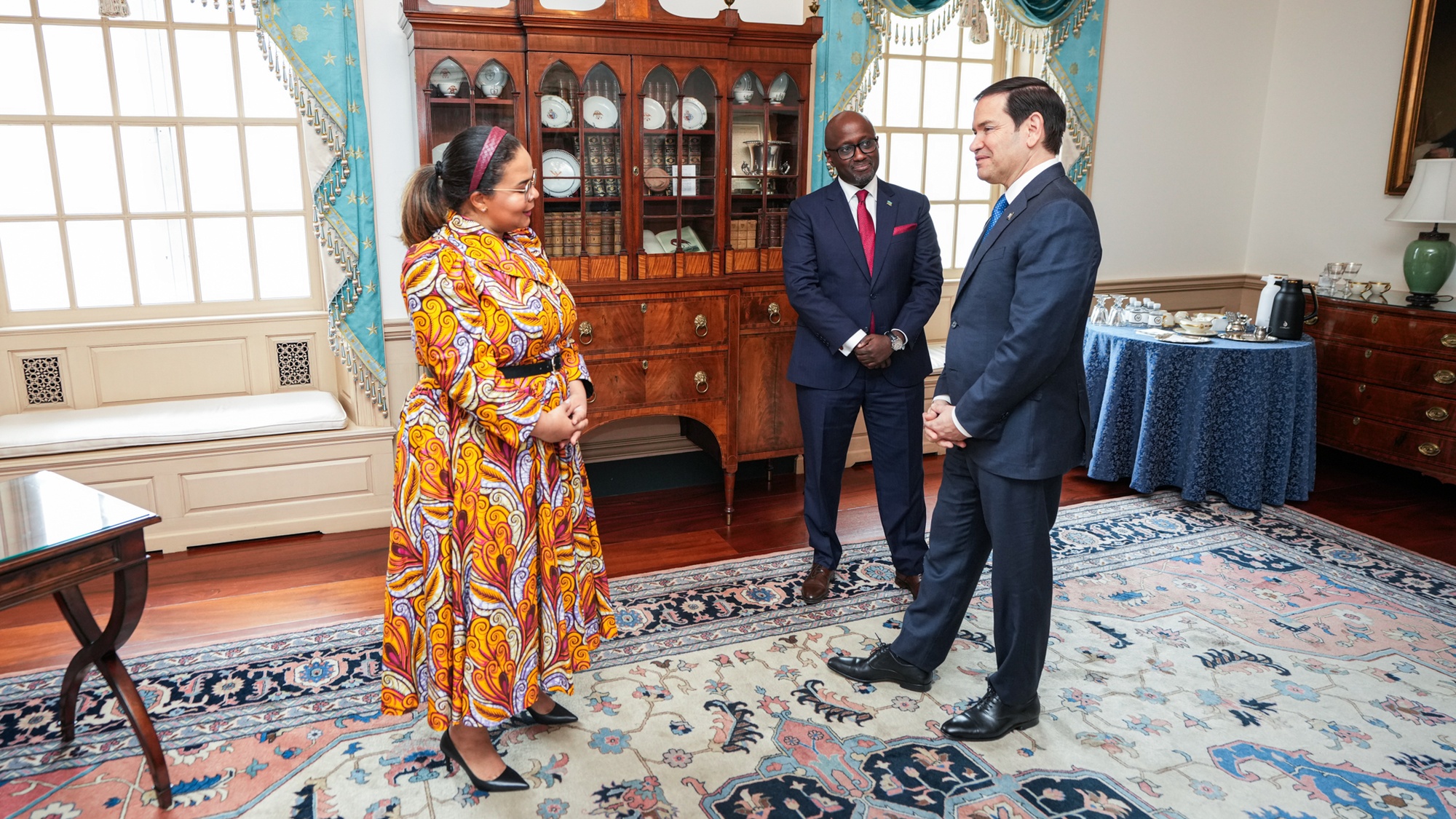
DR Congo has shocked regional and international mediators by abruptly refusing to sign a long-awaited peace and economic cooperation agreement with Rwanda, despite both sides having finalized the text after days of negotiations in Washington D.C. under U.S. mediation.
According to Rwanda’s Minister of Foreign Affairs, Olivier Nduhungirehe, the two delegations had successfully concluded talks on the Regional Economic Integration Framework (REIF), a U.S.-brokered agreement aimed at boosting cross-border economic cooperation and fostering long-term regional stability.
He confirmed that the deal was ready for signature, but President Félix Tshisekedi instructed his delegation at the last minute not to sign, reportedly fearing backlash from domestic public opinion.
“The DRC and Rwandan delegations did a good job this week and reached, under U.S. mediation, an agreement on the REIF. They were ready to initial the document the following morning, but President Tshisekedi instructed, at the last minute, his delegation not to sign, fearing the negative reaction of his internal public opinion,” Minister Nduhungirehe said.
He dismissed claims circulating in Congolese media that the refusal was linked to a demand for the withdrawal of 90 percent of Rwandan troops, calling it a ridiculous pretext for media consumption. Nduhungirehe clarified that the REIF is strictly economic and not related to military or security matters, which are handled separately through the Joint Security Coordination Mechanism (JSCM).
In a separate statement, Government Spokesperson Yolande Makolo expressed Rwanda’s disappointment, saying the delegation in Washington had been ready to sign the REIF, which benefits both countries and the region.
“We are puzzled by the DRC’s last-minute decision not to sign the agreement, given the positive atmosphere of the negotiations during which the text of the REIF was finalized, and the diligent mediation work of Senior Advisor Massad Boulos and the State Department,” Makolo said.
She added that on the separate peace agreement dealing with the neutralization of the DRC-backed FDLR militia and Rwanda’s corresponding lifting of defensive measures, the DRC had refused to move forward until certain conditions were met, despite progress during the Joint Oversight Committee meeting earlier in the week.
“Rwanda believes in the peace agreement and in the approach of the U.S. mediation, and we hope that the REIF will eventually be signed. The peace process must succeed. It is the best chance for stability and economic development for our region,” Makolo said.
Minister Nduhungirehe recalled that this was not the first time President Tshisekedi had reversed course at the last moment.
He cited a similar episode in September 2024, when the DRC delegation had approved the Harmonized Plan for the Neutralization of the FDLR and the lifting of Rwanda’s defensive measures, only for Tshisekedi to abruptly halt the signing mid-meeting after phoning his foreign minister with new instructions.
Diplomatic observers say Kinshasa’s latest move is a serious setback for regional peace efforts, undermining months of delicate U.S.-led mediation and renewed momentum for economic cooperation between the two neighbors.
Rwanda has reiterated its commitment to dialogue and regional integration, calling the REIF a vital pathway toward sustainable peace and shared prosperity.
In Washington, U.S. officials are reportedly working behind the scenes to salvage the process and encourage both sides to return to the table, but for now, the DRC’s refusal to sign has left the region and its partners questioning whether President Tshisekedi is willing to back his words on peace with decisive action.