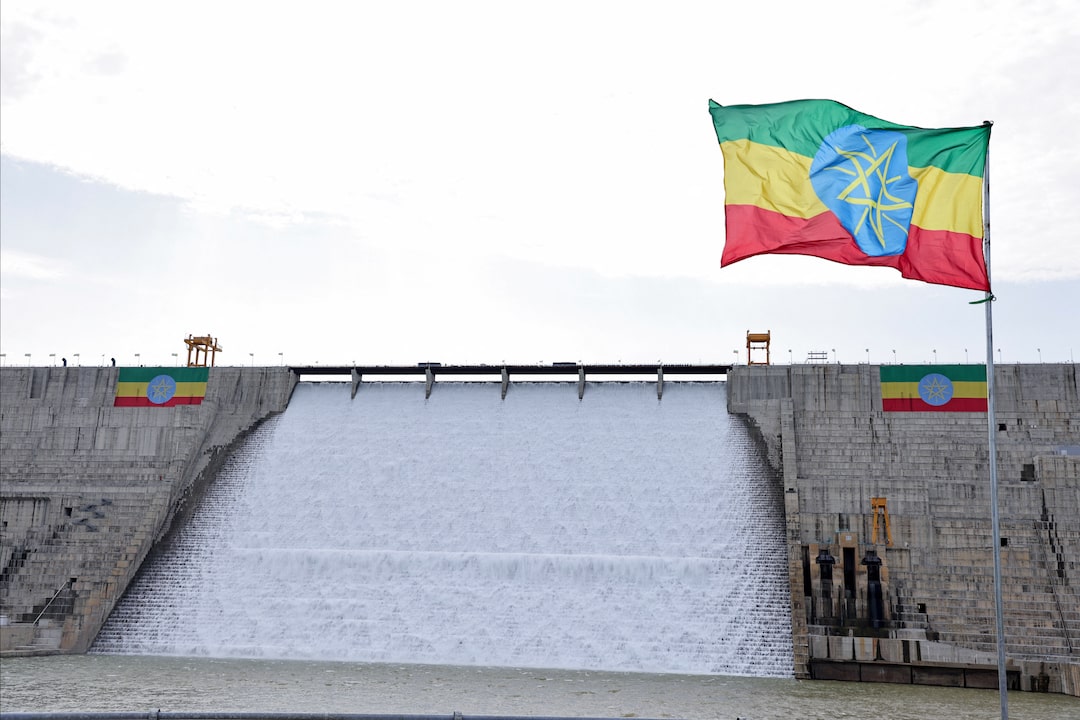





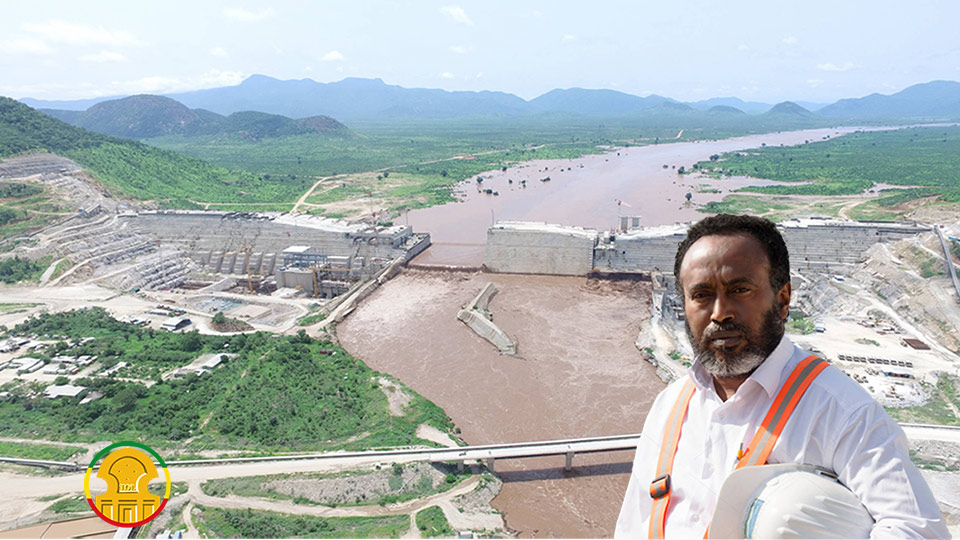
Seven years after the tragic death of Simengnew Bekele, Ethiopia celebrated the official launch of the Grand Ethiopian Renaissance Dam (GERD) on Tuesday, September 9, honoring the civil engineer whose vision and dedication made Africa’s largest hydroelectric dam a reality.
Bekele, who passed away in July 2018 at the age of 53, was the project manager and chief engineer of GERD, which took 14 years to construct.
Known for his humility and tireless work ethic, Bekele often mingled with laborers on the site, embodying the spirit of the project he championed nationwide.
He traveled across Ethiopia explaining the dam’s importance and reassuring foreign diplomats, particularly amid Egypt’s protests, that the megafacility would not drastically impact Nile water flow.
At the peak of the project, when construction was about 60% complete, Ethiopia was shaken by the news of Bekele’s death. Found with a gunshot wound in his Toyota Land Cruiser in Addis Ababa, the nation mourned deeply.
Tens of thousands of Ethiopians lined the streets of his hometown, Gondar, demanding answers. Authorities later confirmed it was suicide, citing work pressure, financial strain, and despair over delays as contributing factors.
Bekele was buried at the Holy Trinity Cathedral, the resting place of emperors and national heroes, a day marked by national grief and reflection.
Today, Ethiopians celebrate the realization of his vision. Standing 476 feet tall and stretching nearly 1.8 kilometers, the GERD can generate up to 6,450 megawatts, enough to power approximately 4.2 million average homes.
The dam holds roughly 74 billion cubic meters of water, allowing Ethiopia to regulate seasonal Nile flows, reduce flooding, and improve agricultural irrigation. Construction of the US$5 billion dam began in 2011, and it now symbolizes Ethiopia’s technological progress, national pride, and energy independence.
The GERD is expected to contribute significantly to Ethiopia’s economic development. With full operation, it can supply electricity to the national grid, fueling industries, hospitals, and urban expansion while reducing reliance on costly fossil fuels.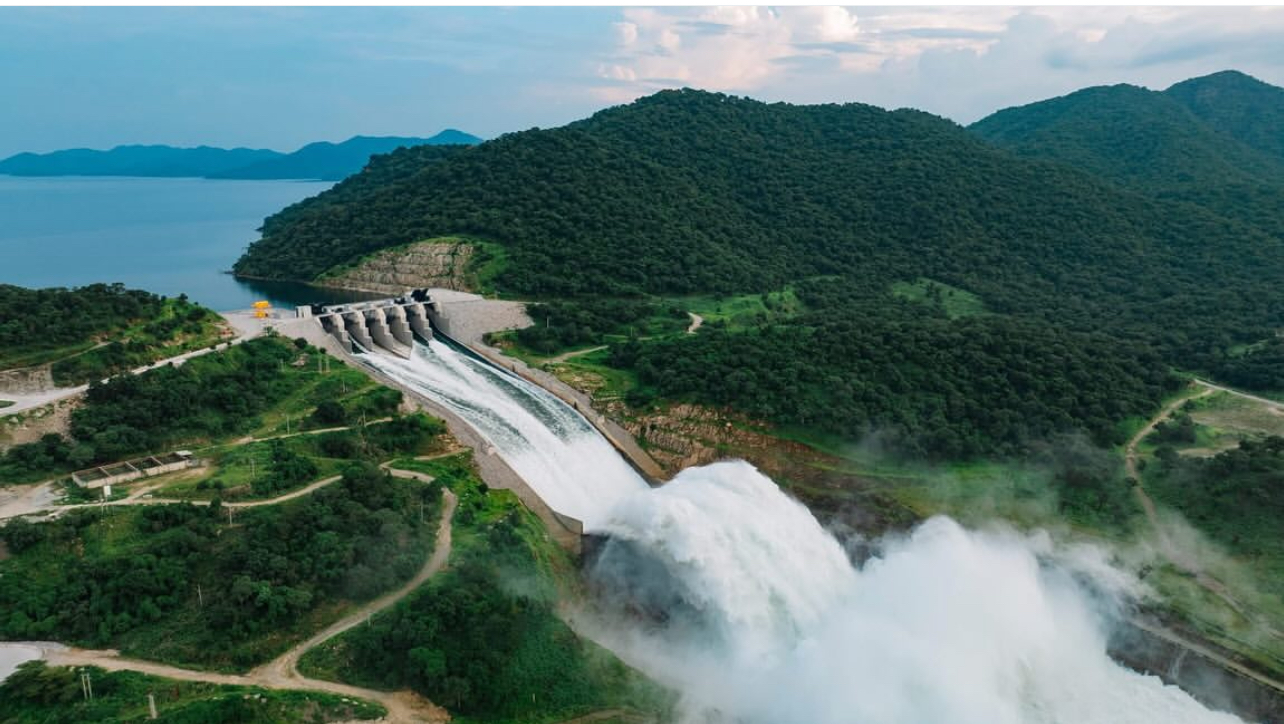
Ethiopia also plans to export surplus electricity to neighboring countries, including Sudan and Djibouti, positioning the GERD as a cornerstone of regional integration and economic cooperation in the Horn of Africa.
Bekele, a graduate of Addis Ababa University in civil engineering, had supervised numerous dam projects prior to GERD, but his leadership on this megaproject secured his legacy.
To many Ethiopians, GERD is inseparable from Bekele’s memory—a testament to the man who dedicated his life to building a future for his country, even as he faced personal and professional pressures that would ultimately claim his life.
“The dam stands as a monument to his vision and sacrifice,” said a local engineer reflecting on the opening. “Without Simengnew Bekele, GERD would not exist as it does today.”
As Ethiopia powers up the GERD, the nation not only celebrates an engineering marvel but also honors the enduring legacy of a man whose passion and perseverance left an indelible mark on the Horn of Africa—shaping energy security, economic growth, and regional influence for decades to come.