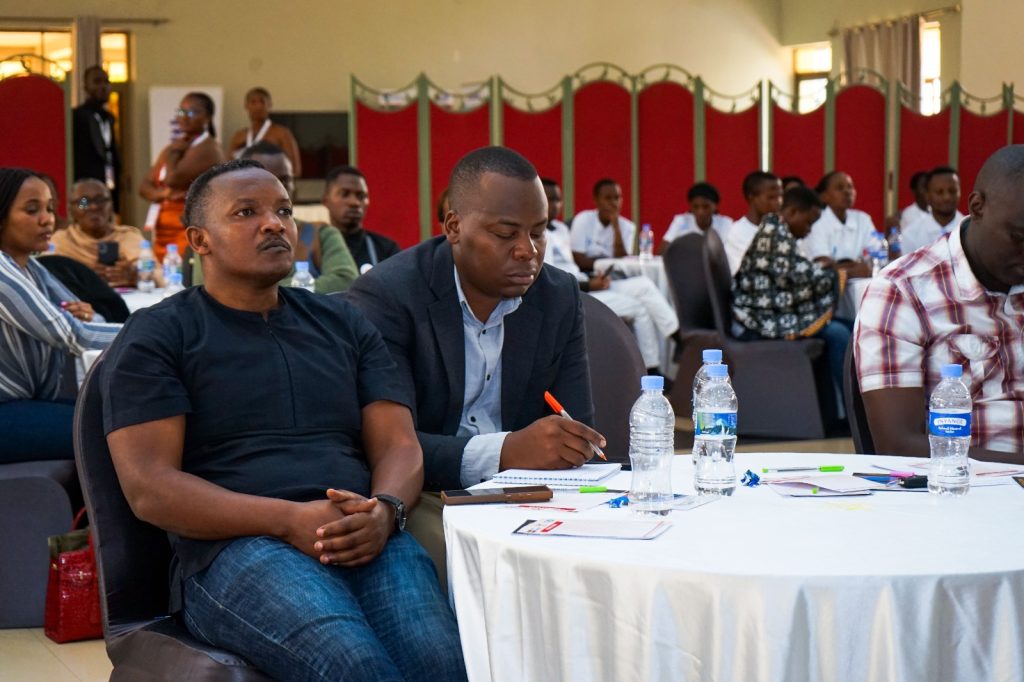







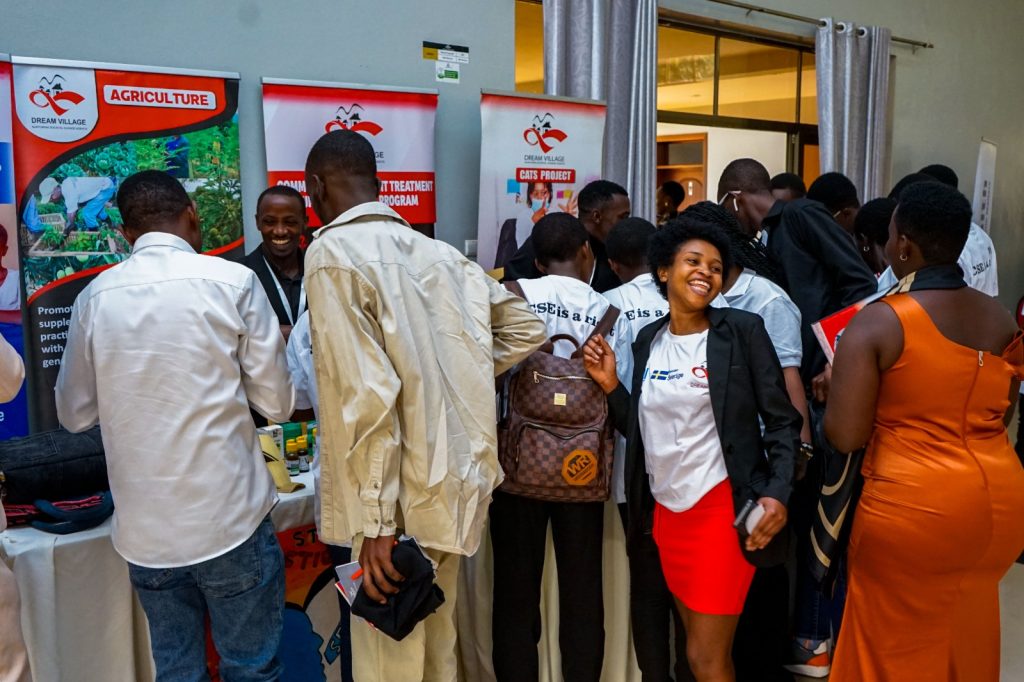
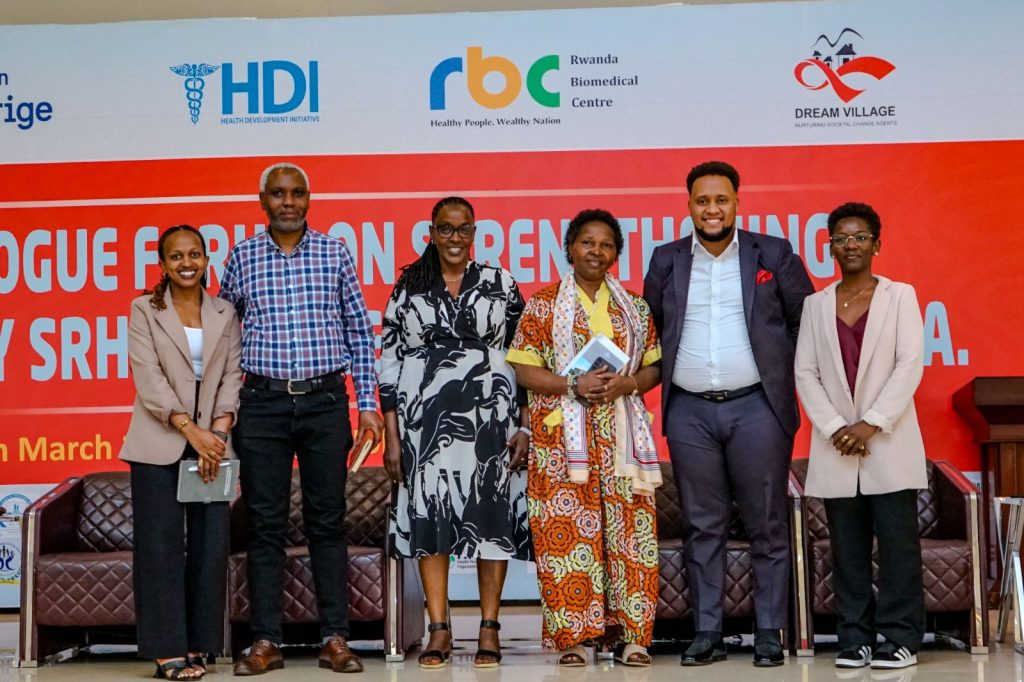
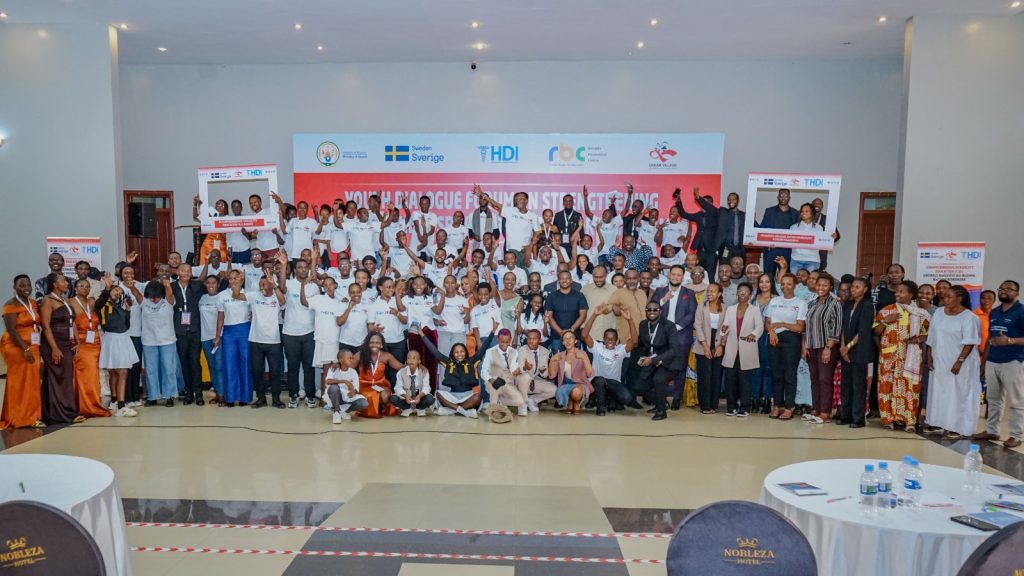
A youth-led dialogue forum aimed at strengthening access to sexual and reproductive health and rights (SRHR) services has brought together young people, health providers, parents, and policymakers in Kigali to confront persistent gaps affecting adolescents across the country.
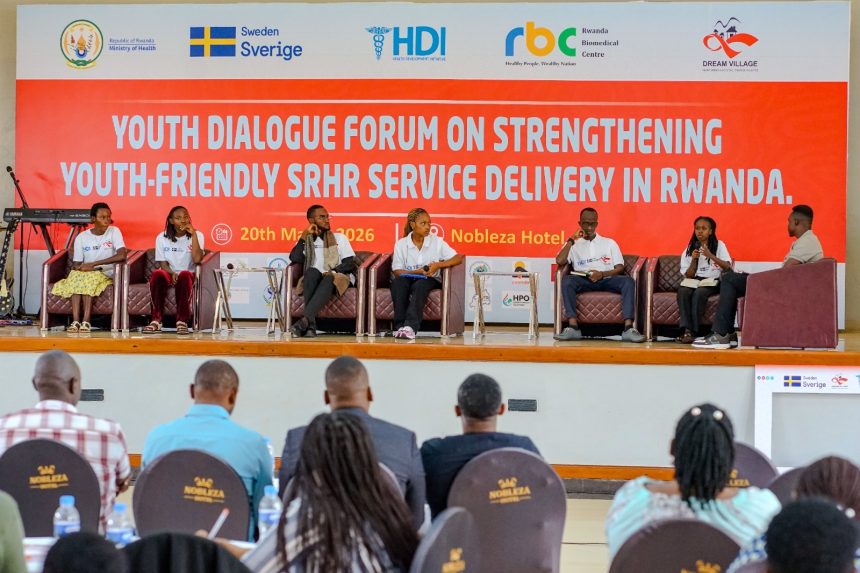
The forum, held on March 20 at Nobleza Hotel, was organized by Dream Village in collaboration with partners including Health Development Initiative (HDI) and Swedish International Development Cooperation Agency.
It forms part of activities under the Comprehensive Sexuality Education (CSE) project being implemented in 12 health centers and the Gitagata Rehabilitation Centre.
The initiative comes at a time when, despite Rwanda’s notable progress in expanding healthcare services, many young people—particularly adolescents—continue to face barriers in accessing essential SRHR care.
These challenges include stigma, limited awareness, cultural taboos, and inadequate youth participation in decision-making processes.
Organisers noted that adolescent girls and young women remain disproportionately affected by HIV infections and unintended pregnancies, underscoring the urgency of building more responsive and inclusive health systems.
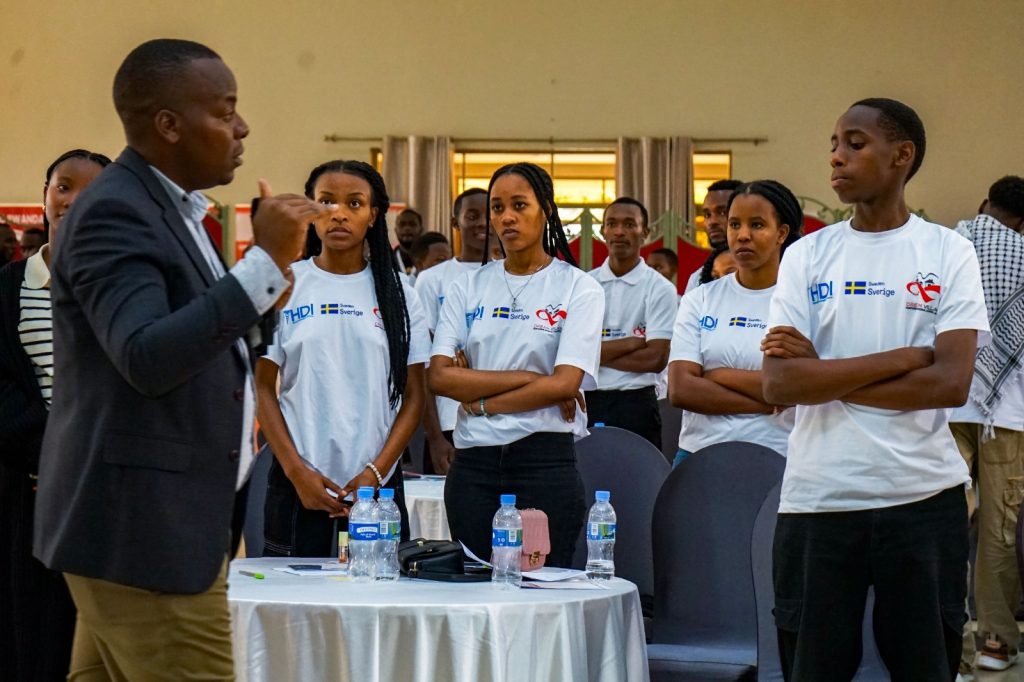
The one-day dialogue created a rare platform for young people to directly engage with healthcare providers and policymakers, guided by the principle of “nothing about youth without youth.”
Participants shared lived experiences, highlighting both improvements in service delivery and persistent shortcomings such as lack of confidentiality, judgmental attitudes among providers, and limited outreach.
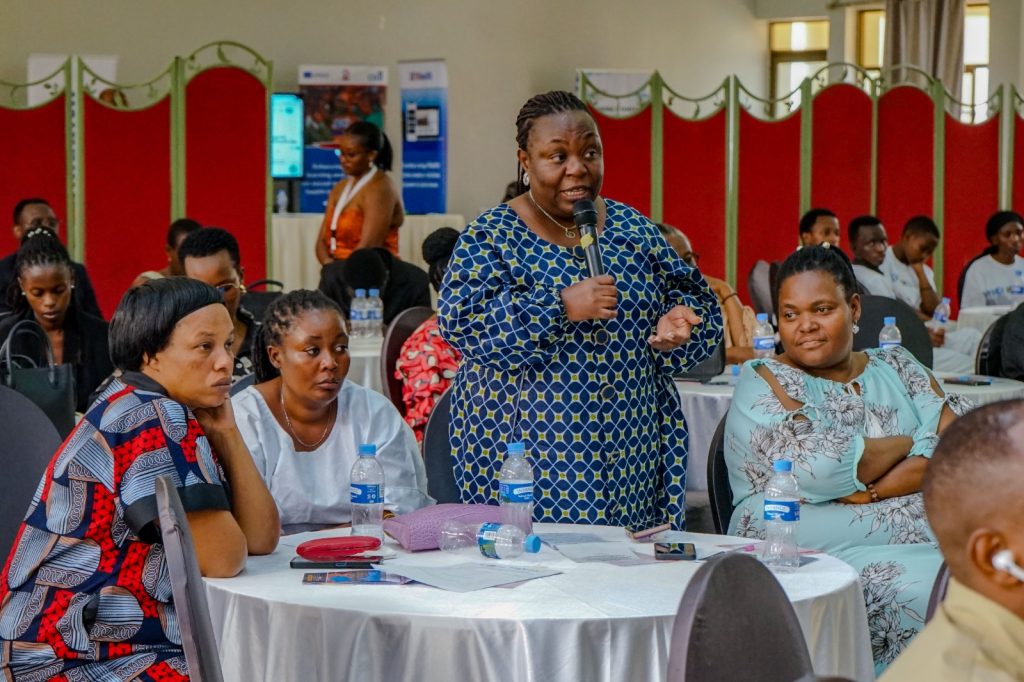
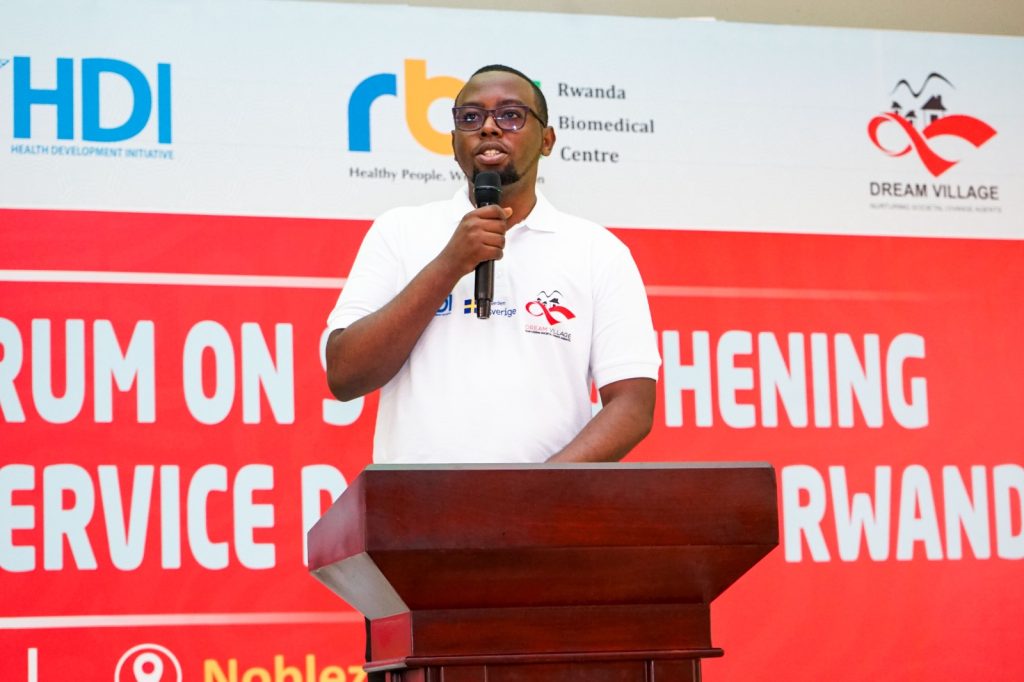
In his remarks, Gustave Nshizirungu, a Youth Board Advisor at Dream Village, emphasized the central role of young people in shaping policies that affect them.
“Youth have made a commitment that no decision that affects them will be taken without their contribution,” he said, calling for stronger inclusion of youth voices in SRHR programming.
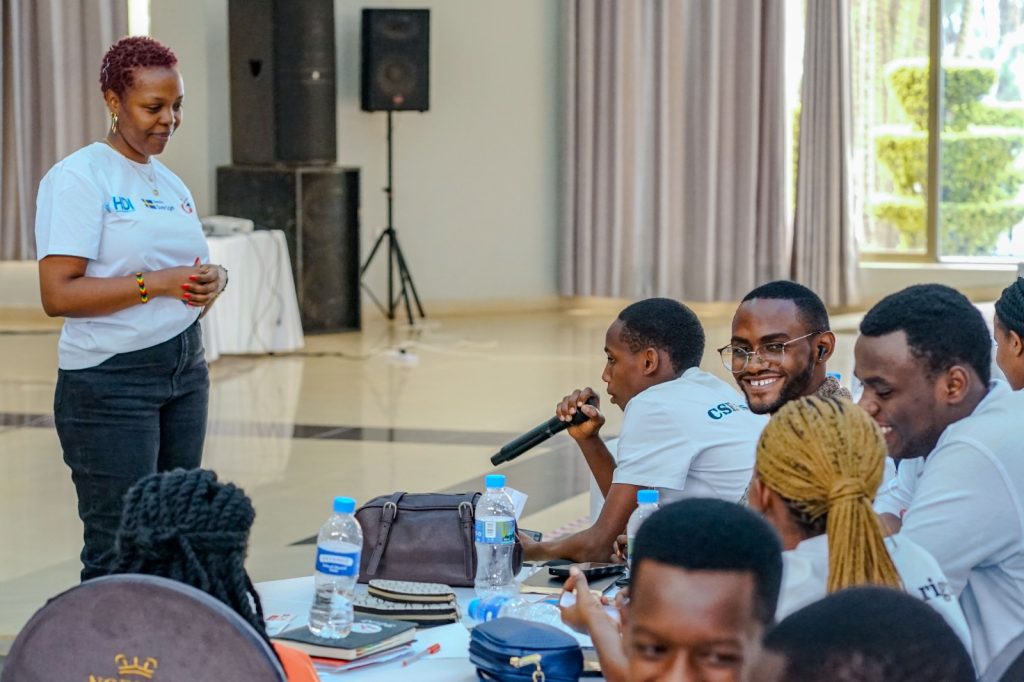
Youth voices highlight stigma and access barriers:
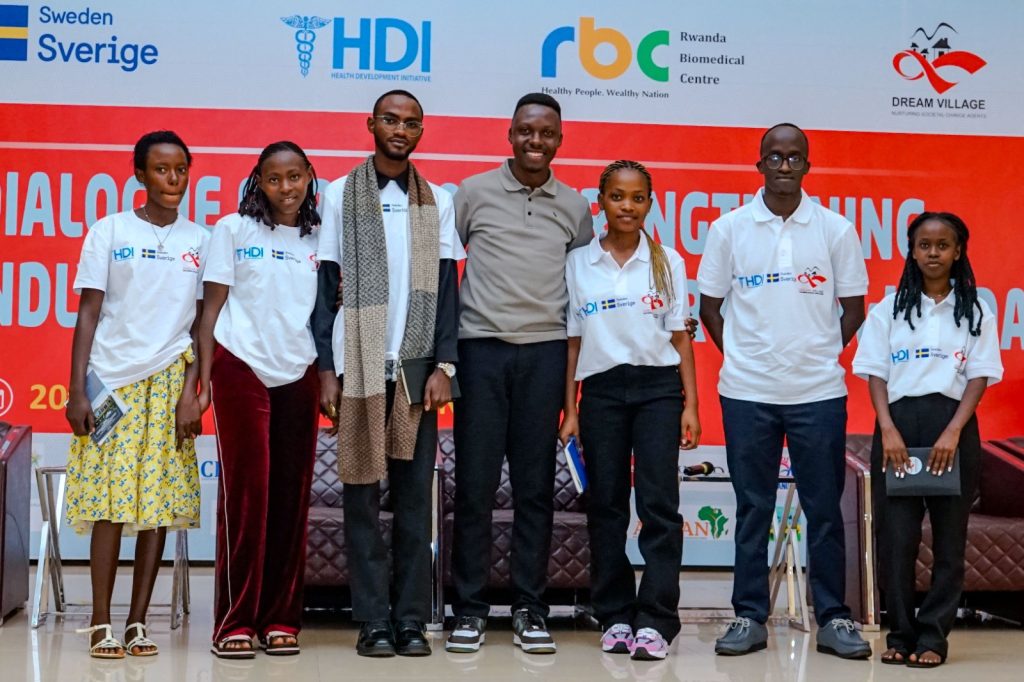
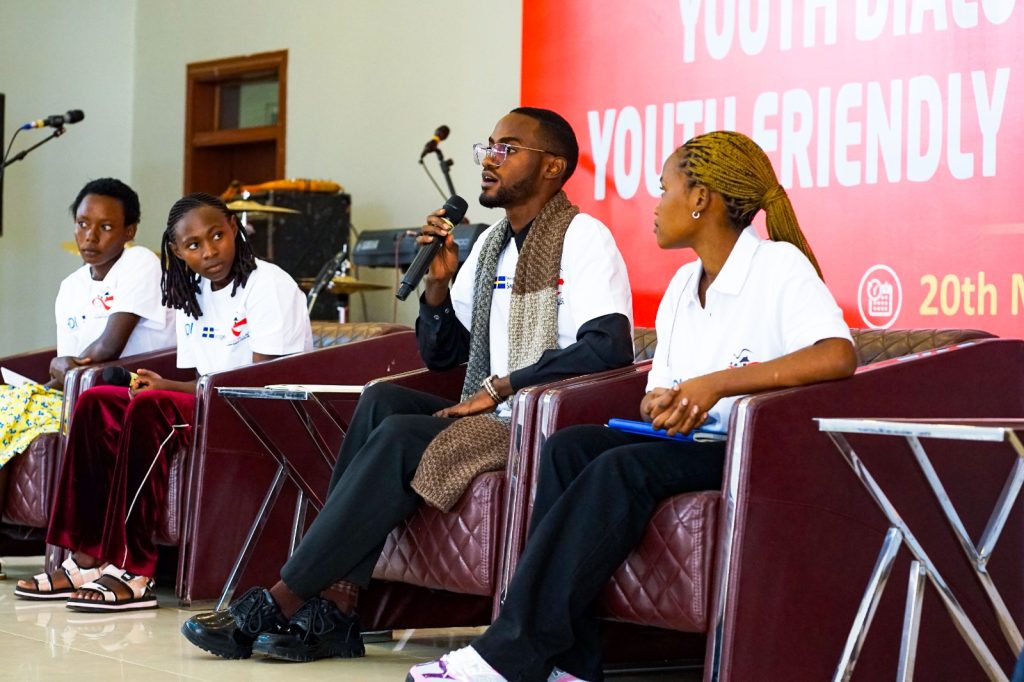
A youth-led panel discussion on access pathways to SRHR services revealed a complex reality: while services are available, many young people are still reluctant to use them.
Teenagers Aline and Ella said that although information and services exist, access remains hindered by fear and stigma. Ella noted that reproductive health services at facilities tend to focus largely on family planning and support for teen mothers, leaving gaps in broader youth needs.
Another panelist, Adel, pointed out that many young people prefer to buy emergency contraceptive pills from pharmacies at a high cost rather than access them for free at health centers.
“The pill is available in pharmacies but is very expensive for some youth. However, they still choose pharmacies because of the stigma and poor service at health facilities,” she said.
Participants agreed that fear of exposure remains a major barrier. Ella explained that some health workers fail to maintain confidentiality, sometimes asking intrusive questions or even disclosing information to parents.
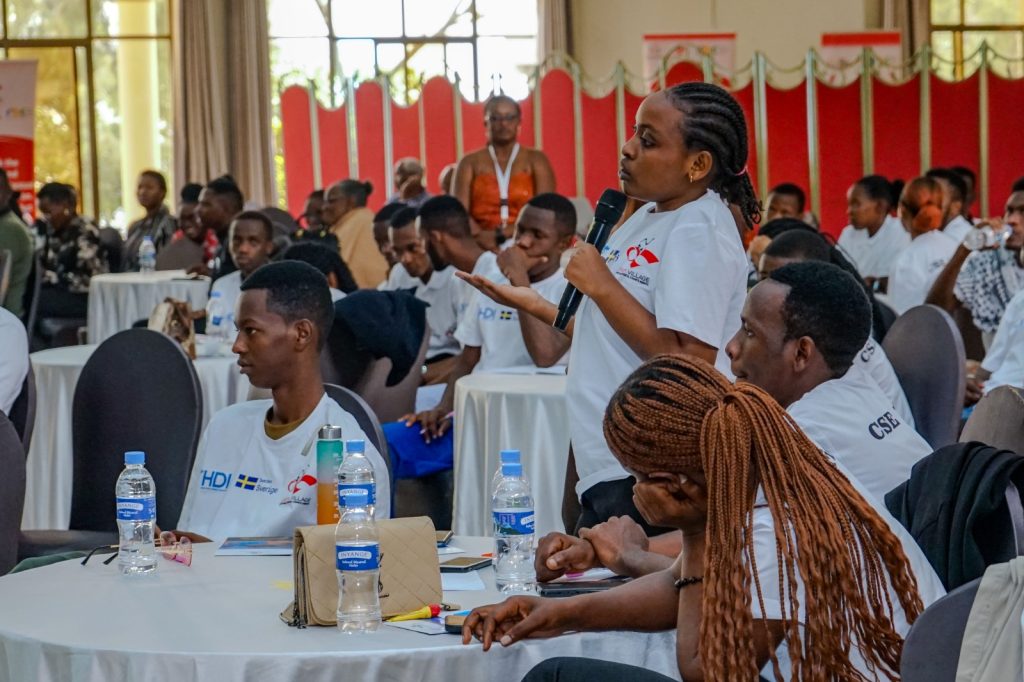
“This fear makes us afraid to access these services. Health workers don’t always keep professional secrecy,” she said.
The discussion also highlighted the role of families in shaping access to SRHR services. Youth participants said many parents are unwilling or unable to discuss sexual health, often due to cultural beliefs or lack of knowledge.
“We need parents to be friendly and able to talk to their children about sexuality,” Adel said.
Guevara, a male teenager, added that the lack of SRHR knowledge among parents and teachers leaves young people with few reliable sources of information.
“If they don’t have the information, where can we get it but from other sources?” he asked, calling for the training of youth peers to provide SRHR information in a more relatable and confidential manner.
Calls for youth-centered solutions:
Participants proposed several solutions, including expanding SRHR education through social media platforms where young people spend most of their time. They also called for peer-led approaches, arguing that young people are more comfortable discussing sensitive issues with their agemates.
Aline emphasized the need for youth-friendly communication channels, while Yassine reminded health workers of their ethical responsibility.
“SRHR is a private matter and must be kept confidential. Health workers should remember this—simple as that,” he said.
Affordability of services was also raised as a concern, with participants noting that many young people cannot ask parents for money to access reproductive health products due to fear and stigma.
Service providers acknowledge cultural and systemic challenges:
A second panel comprising healthcare providers, parents, and religious leaders explored challenges in delivering SRHR services to adolescents.
Nurse Innocent, who works in a faith-based health facility, said providing SRHR services to youth is often complicated by the need for extensive counseling and follow-up, particularly around modern family planning methods.
Nurse Françoise highlighted operational challenges, including staff shortages and combined service delivery models that limit the availability of dedicated youth services. She added that judgmental attitudes among some providers are deeply rooted in cultural beliefs.
“Some people see youth seeking SRHR services as immoral behavior, while others are more understanding. Culture plays a big role,” she said.
Religious perspectives also emerged as a significant factor. Pastor Gabriel expressed optimism that attitudes within churches are gradually evolving.
“We will see change in the next ten years as churches continue to adapt. We need to move away from treating sex as a taboo topic,” he said, adding that young people should be trusted with more responsibilities within religious institutions.
Parents at the forum acknowledged their own limitations. Mediatrice, a parent participant, admitted that many parents lack both the time and knowledge to discuss SRHR issues with their children.
“We need to train parents and equip them with communication skills. Maybe even create parent support groups,” she suggested.
Dr. Josée pointed to intergenerational gaps as a major barrier, noting that nearly half of health facilities are faith-based, which can complicate discussions around certain services, including abortion.
“Many health workers still face cultural and religious limitations when addressing SRHR topics,” she said.
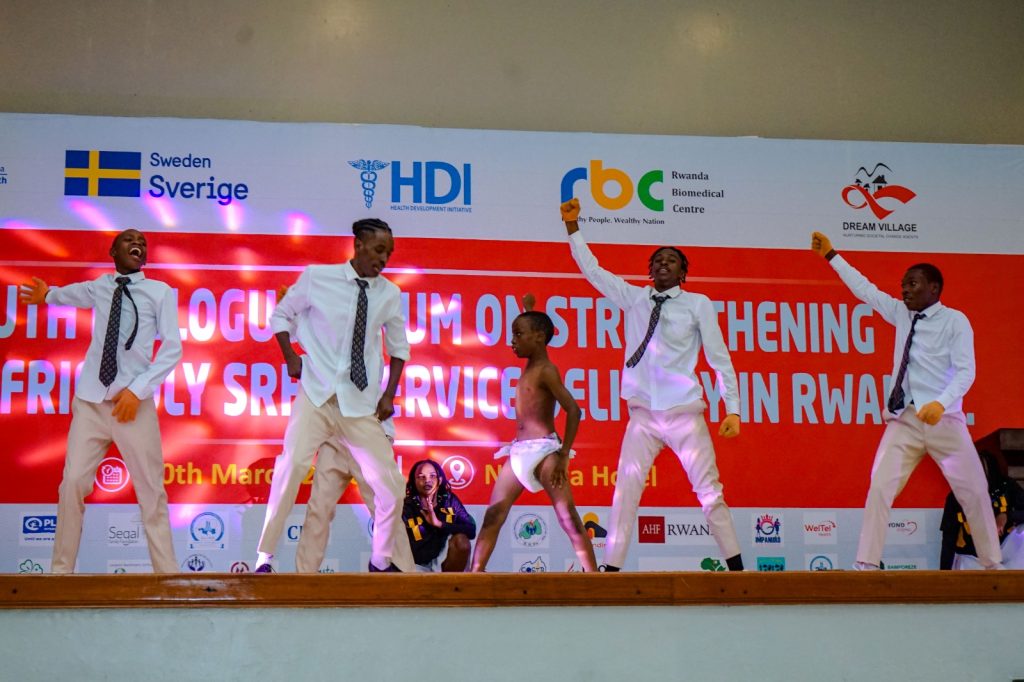
Stakeholders call for collective action:
Elyse Ihirwe, Director of Community Outreach at HDI, said forums like this provide valuable feedback from beneficiaries and help organisations improve service delivery.
Dr. Laurence Ntawunga from the Rwanda Biomedical Centre stressed that investing in youth health is essential for national development.
“We want a generation that can protect themselves, their communities, and the nation,” he said, noting that new HIV prevention medication will soon be introduced, though personal responsibility remains key.
He urged young people to uphold integrity and make informed choices, emphasizing that youth-friendly services must go hand in hand with responsible behavior.
The forum concluded with a call for stronger collaboration among stakeholders, increased investment in youth education, and greater accountability in service delivery.
Participants outlined key priorities, including scaling up awareness campaigns, improving confidentiality in health facilities, training both health workers and parents, and ensuring that vulnerable youth groups are fully represented in health initiatives.
As Rwanda continues to invest in youth-friendly healthcare systems, stakeholders agreed that meaningful youth participation will be critical to achieving equitable and effective SRHR services nationwide.