





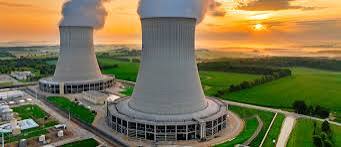
Rwanda is preparing to invest more than $5 billion (over Rwf 7,000 billion) in the construction of its first nuclear power plant.
A landmark infrastructure project expected to significantly increase electricity generation and support industrial growth across the country.
The information was disclosed on 24 February 2026 by Dr. Fidel Ndahayo, Director General of the Rwanda Atomic Energy Board, during a high-level meeting organized in partnership with the Ministry of Trade and Industry and the United Nations Economic Commission for Africa.
Dr. Ndahayo explained that the nuclear power project—currently in its preparatory phase will require between $5 billion and $6 billion in capital investment.
He emphasized that such a massive financial commitment makes private sector participation essential, warning that relying solely on foreign contractors would represent a major economic loss for the country.
“It would be a serious setback if Rwanda were to implement this project and find that all the construction and related services are carried out exclusively by foreign companies,” he said.

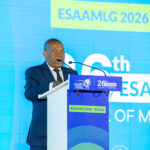
He added that Rwandan industries can play a meaningful role in the project, provided they meet strict international nuclear safety and quality standards.
The meeting was intended to help local manufacturers and businesses better understand these requirements and identify areas where they can contribute.
The Permanent Secretary at the Ministry of Trade and Industry, Antoine Marie Kajangwe, urged industrialists to engage early in the project, noting that reliable and large-scale electricity supply would directly benefit energy-intensive sectors.
“This nuclear power plant will be a game changer for your businesses, especially industries that consume large amounts of electricity such as cement, steel, and construction materials,” he said.


According to project plans, Rwanda aims to commission its first nuclear power plant before 2030.
The facility will require around 230 skilled employees, who are expected to be fully trained by 2028.
It will be built on land measuring between 15 and 50 hectares, located away from residential areas.
Officials also reassured the public on safety, noting that the plant will use advanced reactor technology designed to automatically shut down in the event of a malfunction, preventing radiation release and minimizing risk to human health and the environment.
If successfully implemented, the multi-billion-dollar nuclear investment will mark one of the most ambitious energy financing initiatives in Rwanda’s history and a major step toward long-term energy security and industrial transformation.