





Hundreds of Congolese civilians fleeing heavy fighting around Kamanyola and Katogota have been left stranded along the Rusizi River after Burundian soldiers blocked their entry into Burundi, deepening a humanitarian crisis as leaders from the region arrive in Washington, D.C. for a high-stakes peace signing.
Families escaping the clashes—many of them women and children—were forced to spend the night on the riverbanks without shelter or food, even as gunfire from advancing combatants drew closer. Witnesses reported scenes of panic, exhaustion, and desperation as people attempted to reach safety across the river, only to be turned back at gunpoint.
This latest episode follows several months of increasing suspicion by Burundian authorities toward civilians coming from M23-controlled areas, making it even more difficult for those fleeing violence to access refuge.
Humanitarian organizations warn that the continued restriction of cross-border movement is putting lives at risk.
Peace Signing in Washington Raises Urgent Expectations
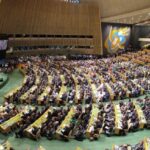
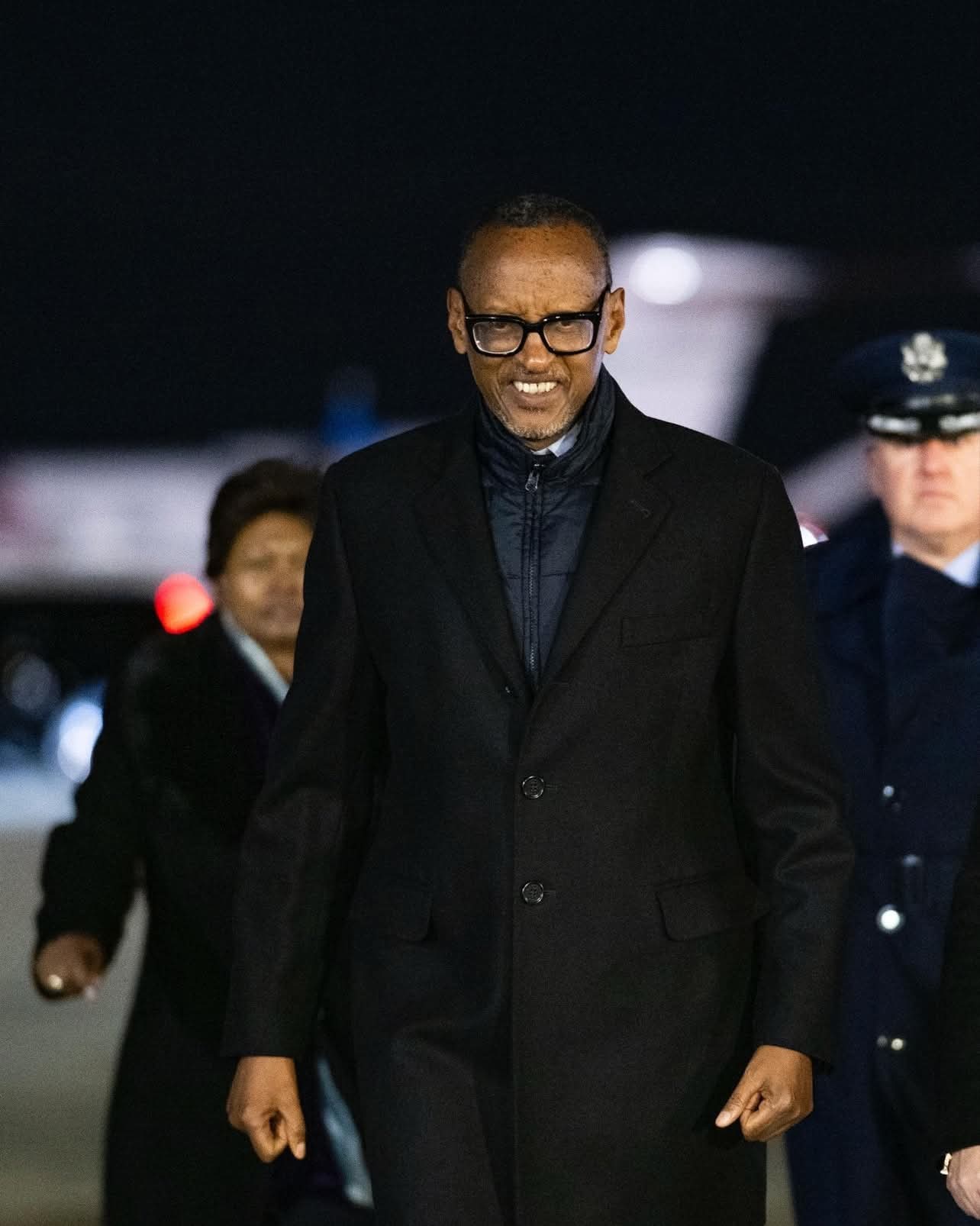
The humanitarian emergency is unfolding just as Presidents Félix Tshisekedi of the Democratic Republic of Congo and Paul Kagame of Rwanda have arrived in Washington, D.C. According to official statements from both governments, the two leaders are expected to sign a long-delayed peace agreement on Thursday aimed at ending hostilities in eastern DRC.
U.S. President Donald Trump is scheduled to formally preside over the signing ceremony, positioned between Kagame and Tshisekedi.
The agreement was initially planned for July but was postponed due to unresolved political and security concerns.
The ceremony will also be attended by key regional leaders, including Kenyan President William Ruto and Burundian President Évariste Ndayishimiye—both invited by President Trump in recognition of their roles in regional diplomacy.
Heightened International Pressure
The presence of multiple heads of state in Washington reflects growing international pressure to halt the cycle of violence in eastern Congo.
Observers note that the plight of civilians along the Rusizi River underscores the urgency of a durable settlement between Rwanda and the DRC, whose strained relations have long fueled instability.
Diplomats and humanitarian actors hope the agreement, if implemented with sincerity, will not only reduce fighting but also address the protection of civilians—many of whom continue to risk their lives amid cross-border tensions and shifting frontlines.
Humanitarian Concerns at the Forefront
As the ink dries on the expected peace accord, attention will remain fixed on whether regional commitments translate into real relief for people on the ground.
For the stranded families near Kamanyola and Katogota, the question is immediate: whether diplomatic progress in Washington will swiftly lead to safer corridors, humanitarian access, and an end to the fear that now defines their daily lives.
By Andrew shyaka