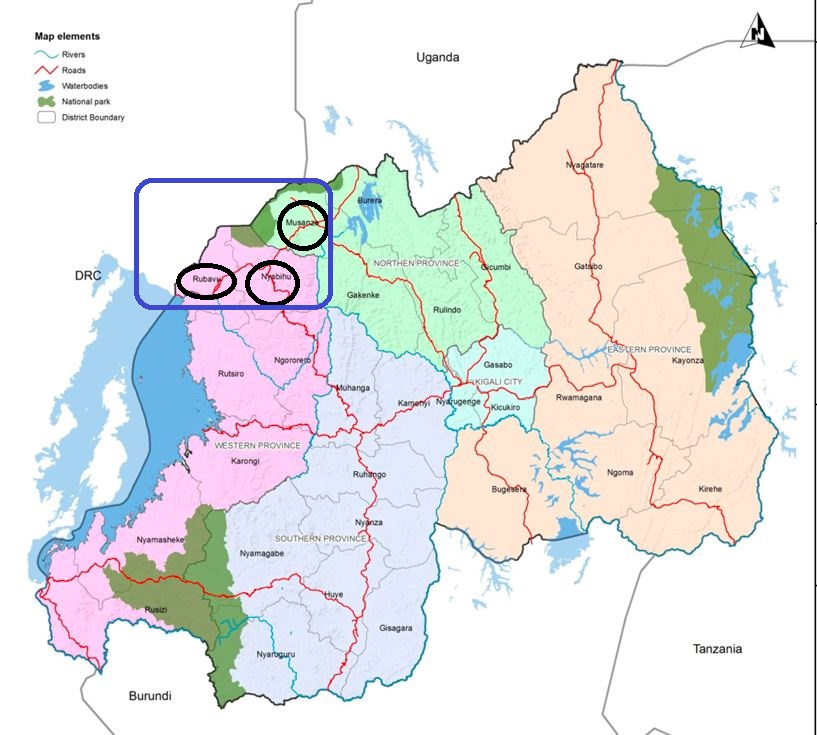






The Volcano Belt Water Supply Project, one of Rwanda’s flagship infrastructure initiatives, has reached 60.4% completion and is on track to deliver clean water to an estimated 354,000 residents across Musanze, Nyabihu, and Rubavu districts.
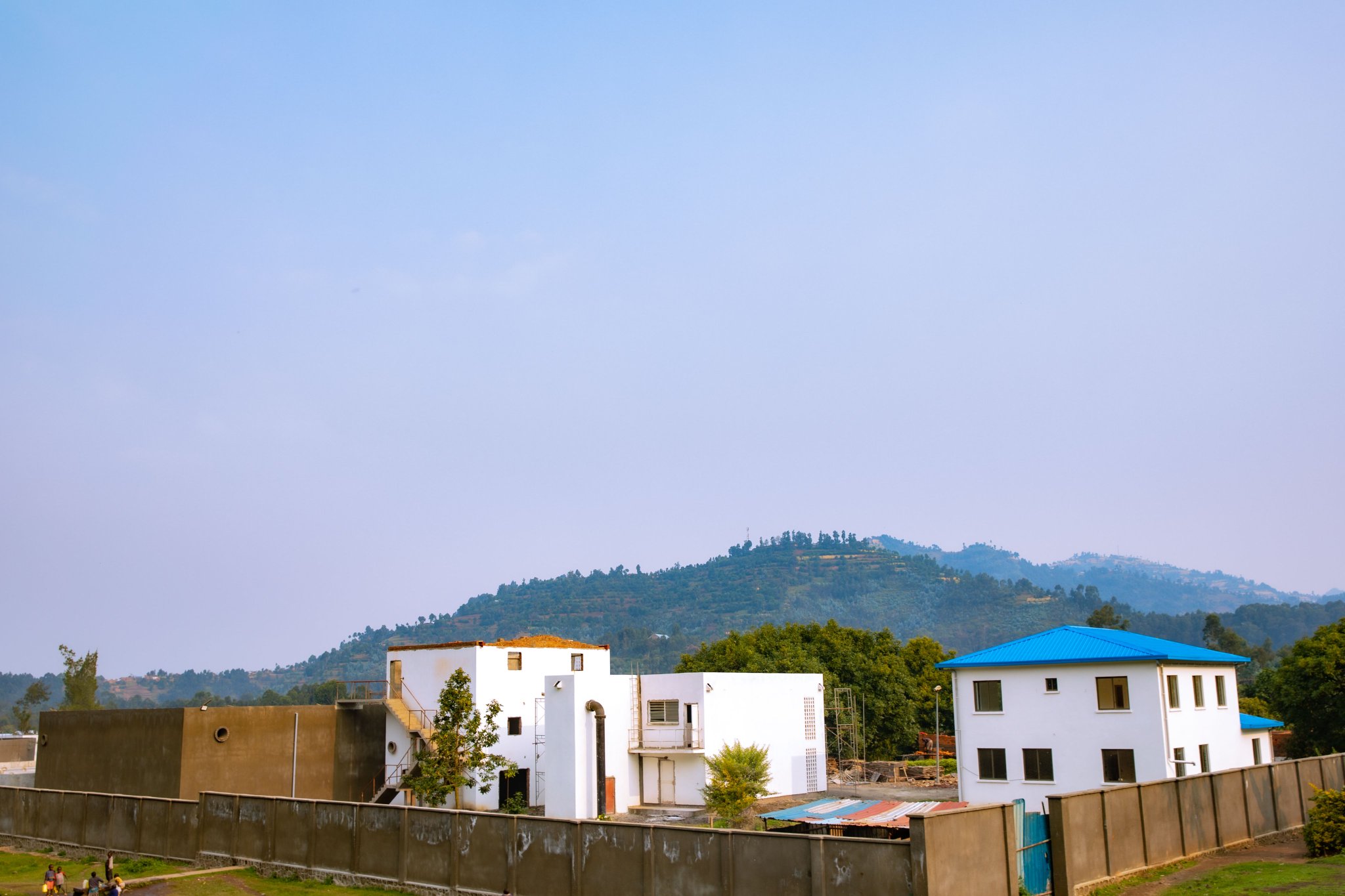
The project is designed to expand access to safe water in several sectors of the three districts, complementing the ongoing construction of the Mutobo Water Treatment Plant.
Together, the two projects are expected to significantly improve water supply in the region, which is characterized by its hilly terrain and growing population.
Once completed, the Mutobo plant will increase its treatment capacity from 12,500 cubic meters per day to 43,000 cubic meters.
The Volcano Belt project also includes the construction of 178 kilometers of pipelines to distribute the treated water to communities.
The Government of Rwanda, through the Ministry of Infrastructure, has committed to prioritizing large-scale water infrastructure projects as part of its broader agenda to ensure universal access to clean water.
The Water and Sanitation Corporation (WASAC Group) is overseeing and managing the project until its completion.
In parallel, the Kivu Belt Water Supply Project is also underway, aimed at boosting water access in Rubengera and Bwishyura sectors of Karongi District.
This project involves building a treatment plant with a capacity of 13,000 cubic meters per day and laying 125 kilometers of pipelines.
According to data from the National Institute of Statistics of Rwanda (NISR) for 2023/2024, access to clean water has reached 80% of households nationwide. On average, 90% of Rwandans report using clean water, but UNICEF figures suggest only 57% can access it without walking more than 30 minutes.
Despite this gap, the government continues to invest heavily in water infrastructure, with projects like the Volcano and Kivu Belt systems expected to bring the country closer to its target of universal access to safe and reliable water.