



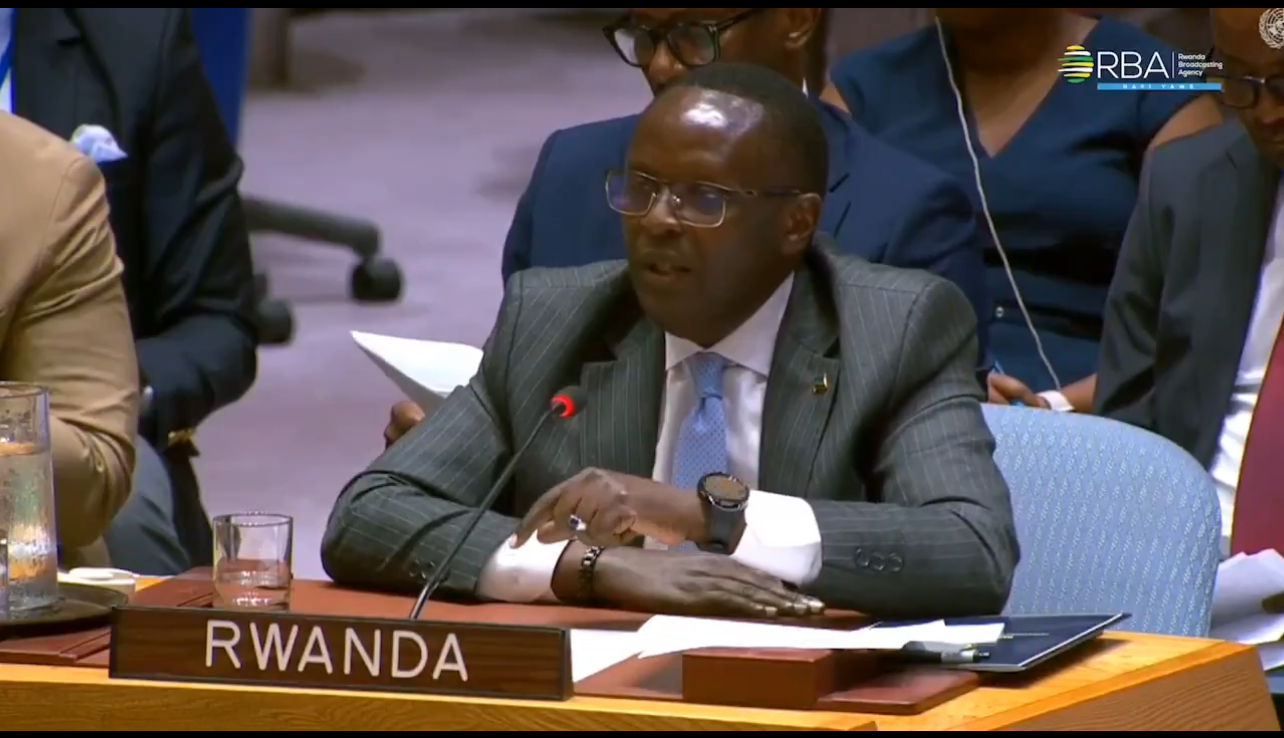
New York — Rwanda’s ambassador to the United Nations, Martin Ngoga, turned the Security Council chamber into a courtroom on August 22, putting Kinshasa and its foreign backers on trial.
His charge sheet was blunt: selective outrage, fabricated reports, and the protection of genocidaires under the UN’s watch.
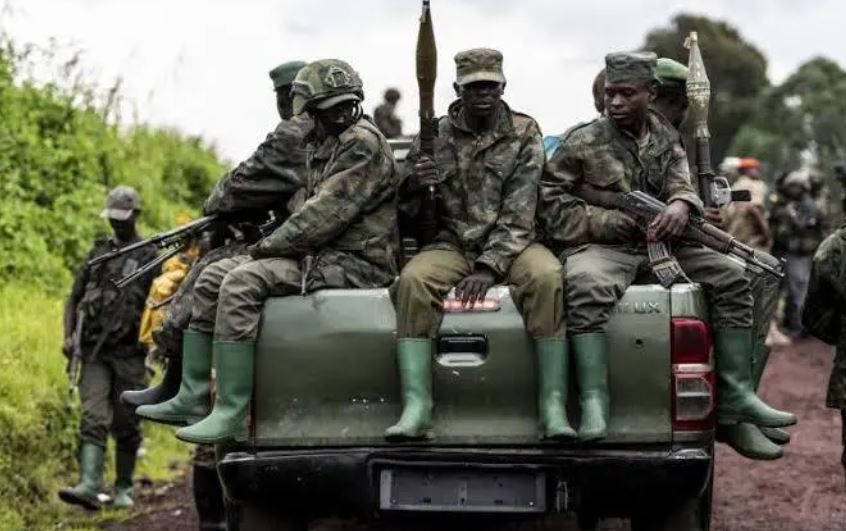
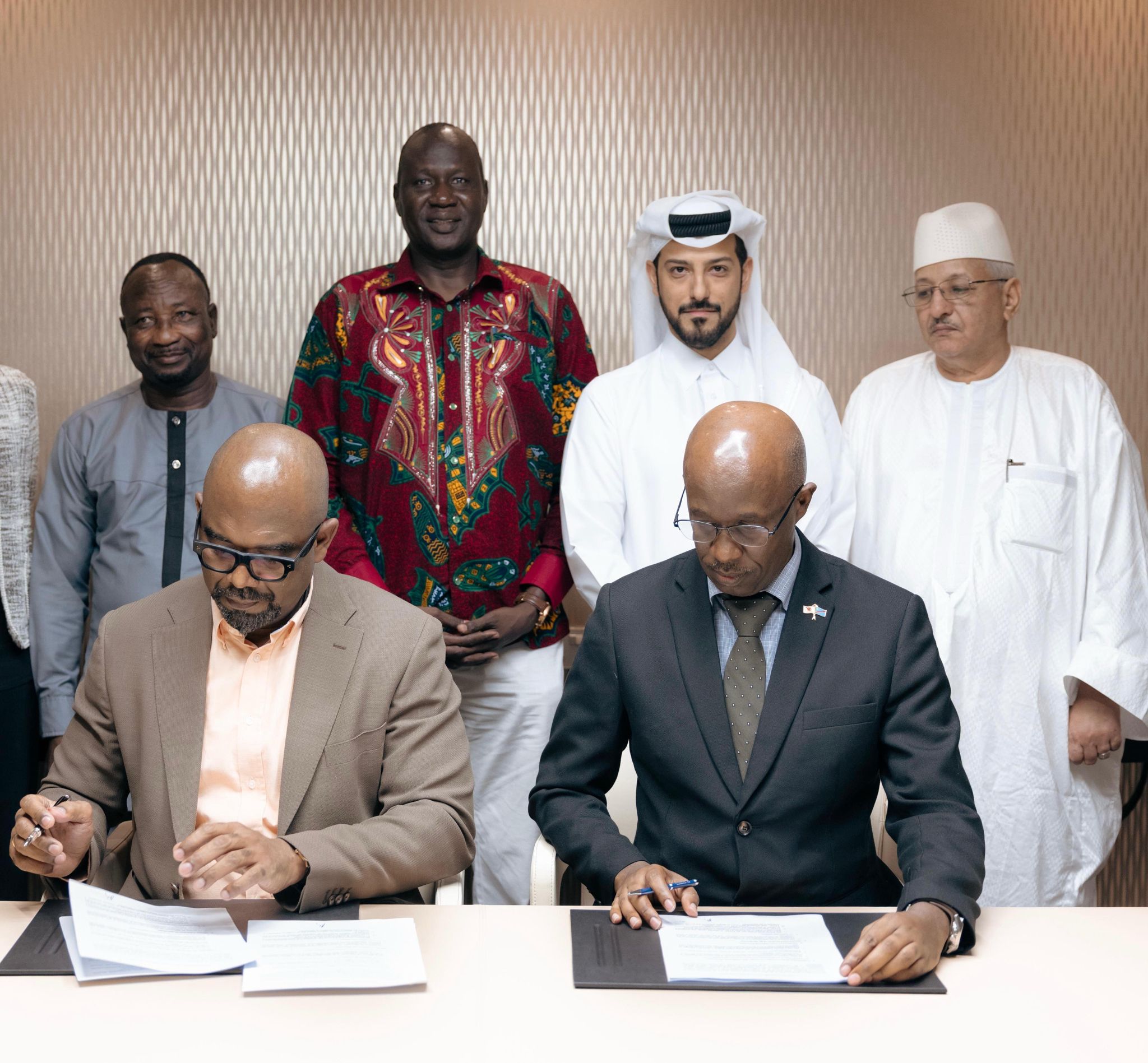
Ngoga didn’t mince words. While Rwanda is a signatory to the Washington and Doha peace agreements, he accused the Council of obsessively repeating the phrase “Rwanda-backed M23” while studiously avoiding “Kinshasa-backed FDLR.”
The difference, he argued, was not accidental but political — a willful blindness that has allowed the FDLR, a militia born from the architects of the 1994 genocide against the Tutsi, to remain entrenched in eastern Congo.
“This Council,” he warned, “has chosen to ethnicize victims, to turn the persecuted into perpetrators and the perpetrators into partners.”
He ridiculed recent claims that M23 massacred civilians in Rutshuru, calling them “contradictory, implausible and politically convenient.”
He demanded an independent investigation, noting that UN reports always surface at key political moments — never against Kinshasa, always against M23 and Rwanda.
But Ngoga went further, piercing the diplomatic veil. Without naming Belgium directly, he accused certain “foreign powers with historical interests” of fueling ethnic politics in Congo and financing a campaign of international defamation against Rwanda.
To Kigali, Belgium’s fingerprints are everywhere: in the narratives pushed by NGOs, in the echo chamber of European diplomacy, and in the shielding of Kinshasa from accountability.
The ambassador listed abuses the Council ignores: massacres in Ituri, drone strikes on villages in South Kivu, arbitrary arrests and humiliation of civilians in Goma, and hate speech preached in schools and churches.
None of these make it into UN reports, he said, because they implicate Congo’s government and its Wazalendo allies.
“Every victim must matter to this Council,” he insisted, “but you only see the ones convenient to your narrative.”
He reminded the chamber that Rwanda currently shelters more than 100,000 Congolese refugees, a burden shouldered without international fanfare, while Kinshasa and its allies weaponize displacement and ethnic hatred.
He condemned Congo’s decision earlier this month to block a plan to neutralize the FDLR — proof, he said, that Kinshasa still sees the militia as an ally rather than a threat.
Ngoga’s message was unflinching: Rwanda will respect Congo’s territorial integrity, but it will not be sacrificed on the altar of Security Council politics. “The DRC’s sovereignty is non-negotiable,” he said, “but so is Rwanda’s.”
The shot was clear — not just at Kinshasa, but at Brussels and the Council itself.
Rwanda is daring the world to confront its own hypocrisy: to finally call the FDLR what it is, a genocidal militia, and to admit that shielding Congo’s government while scapegoating Rwanda has only fueled the war it claims to want to end.