






The Islamic Republic of Iran has declared that it is very ready for a more intense war against the United States.
The escalation has triggered a surge in oil pricing far away from the war theatre.
Brent oil has reached U$101 a barrel. The global benchmark jumped 3.4% on Wednesday to close in triple figures for the first time since July.
There are fears of deeper disruptions through the Strait of Hormuz as hostilities flare up across the Middle East.
According to a senior official from the Islamic Republic, Iran has no intention of backing down in the face of an American naval blockade and will escalate its strikes if the US continues attacking its territory,
The official added, his country has been rebuilding its military capabilities since the most intense period of the war ended in April and has enough missiles for a lengthy conflict.
With the war now into its seventh month, U.S. and Iran show little sign of easing.
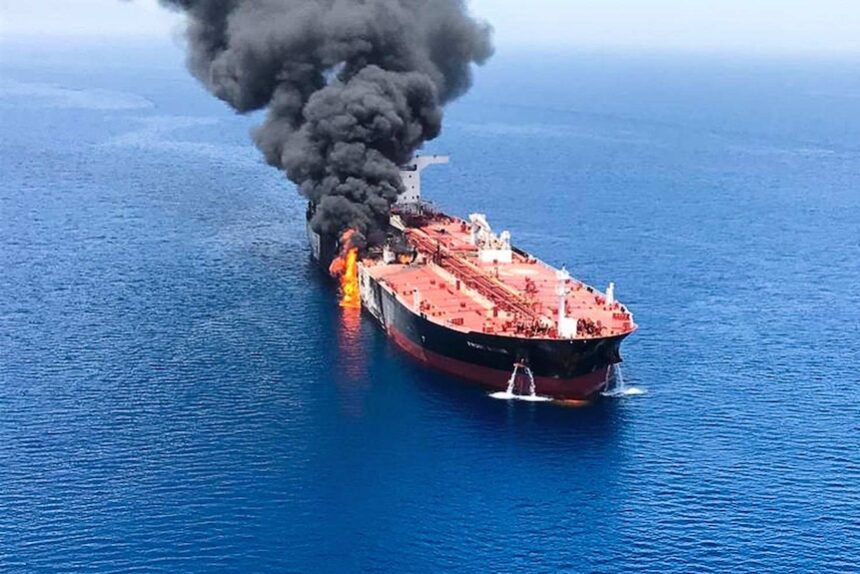
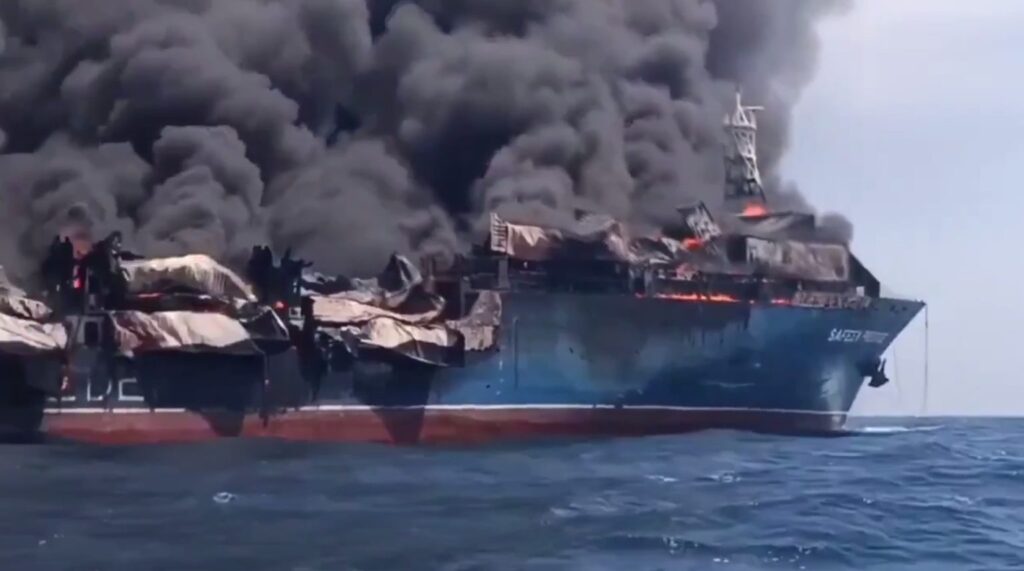
US media reported Washington said one of its warships had to evade an Iranian attack, and that it destroyed five of the Iran’s energy tankers in response.
Iran then fired around 20 missiles at a Jordanian airbase used by the U.S. and attacked more American navy ships, as well as several commercial vessels.
Iran’s new security chief, Mohsen Rezaee, said its military posture toward U.S. ships and bases had been “fundamentally recalibrated.”
These back and forth strikes have pushed up energy prices, with Brent crude climbing above U$100 a barrel on Sept. 9 and extending its gain this year to around 65%.
In Midland U.S. diesel pump prices hit a record last week, adding to pressure on President Donald Trump to end a conflict that’s unpopular with voters ahead of midterm elections on Nov. 3.
Experts privy with the war planning argue that the U.S. is wary of fuel prices going up even more, and having used up a significant portion of its interceptor missiles, is trying to avoid a return to the full-on fighting of March and early April.
Instead, it’s trying to squeeze Iran’s economy via the blockade and threats to penalize governments and companies that don’t cut ties with Tehran.
Its aim is to force Iran to reopen Hormuz and restart negotiations to end the conflict.
Iran continues to insist it has the right to manage traffic through the vital waterway and is regularly targeting ships that pass through without its permission.