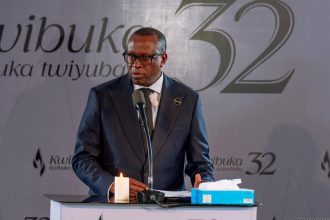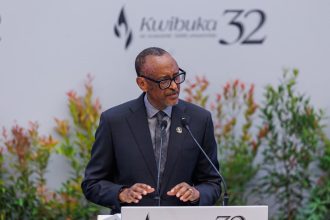
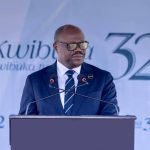


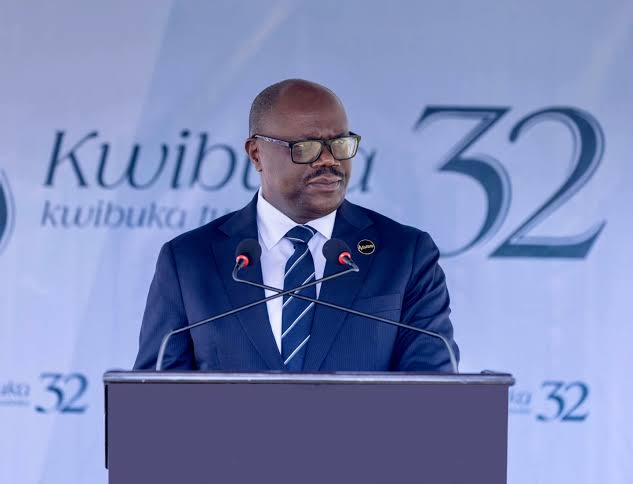
Prime Minister Dr Justin Nsengiyumva has urged residents of Ngororero District to strengthen unity and resilience, warning that the area continues to face challenges linked to its history during the 1994 Genocide against the Tutsi.
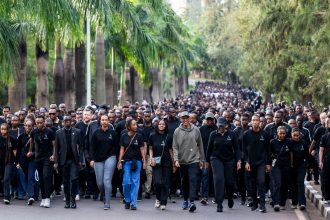
He made the call while presiding over the 32nd commemoration of the genocide in the former Ngororero sub-prefecture, where thousands of victims are remembered each year.
Addressing residents, the Prime Minister called for reflection and collective responsibility to improve social cohesion. He expressed concern that Ngororero ranks 25th out of Rwanda’s 30 districts in indicators related to unity and reconciliation.
“You must assess yourselves to understand the root causes,” he said. “Local leaders and citizens alike must take ownership and ensure that unity and resilience become a lived reality.”
Local leaders and survivor representatives say the district’s ranking is partly rooted in its history as a stronghold of individuals who played key roles in the genocide and spread its ideology.
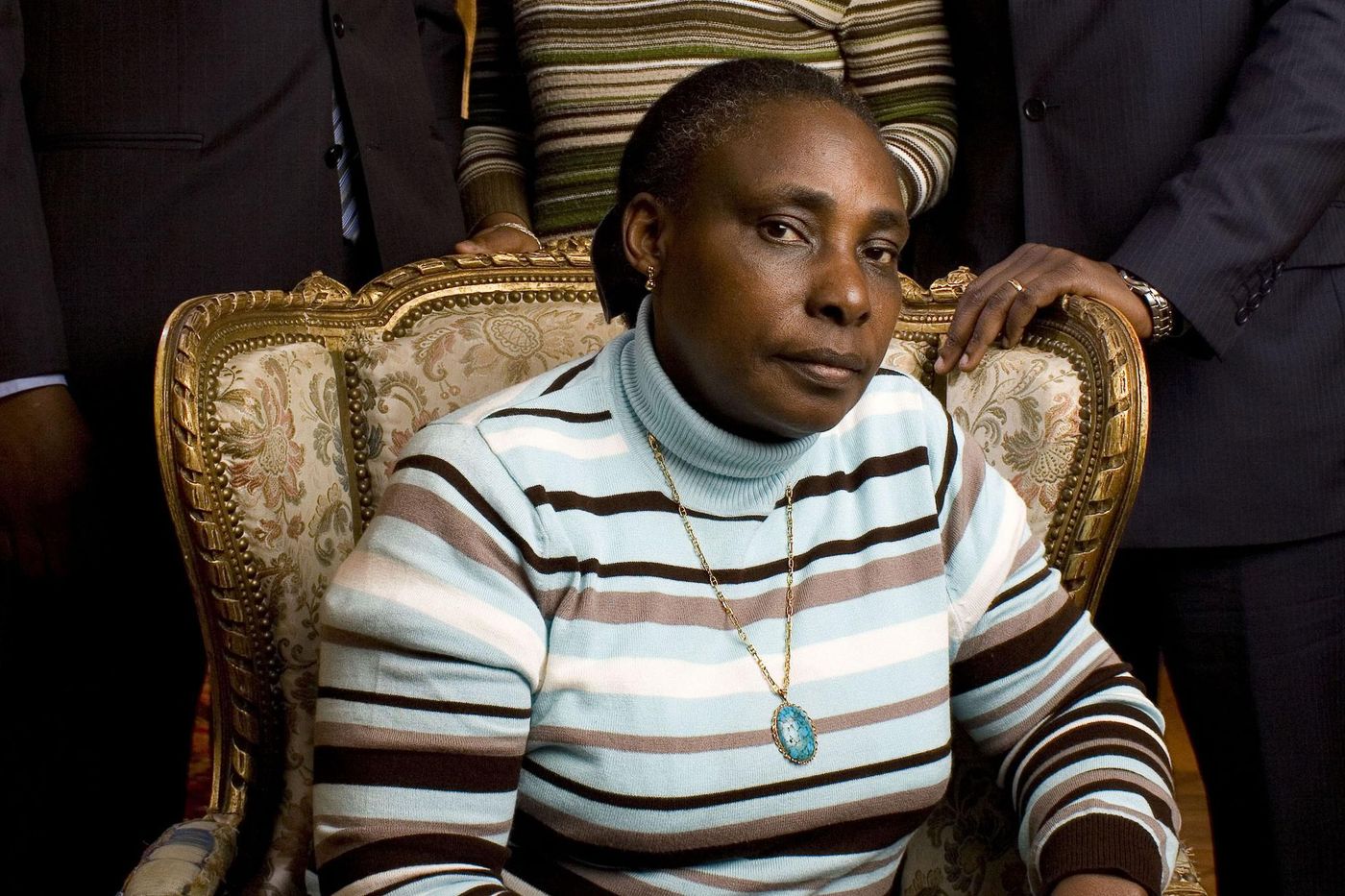
Jean Claude Ntagisanimana, a representative of genocide survivors in the district, said that while progress has been made, deep-rooted challenges remain.
“This is a place where genocide ideology was taught and spread over a long period,” he said. “Some who embraced it passed it on within families. Overcoming that requires time, effort and sustained commitment.”
He added that although change is underway, reversing decades of indoctrination is a gradual process.
A local resident pointed to the continued influence of perpetrators who fled to eastern Democratic Republic of the Congo, saying their ideology still reaches some communities through cross-border links.
Testimonies shared during the commemoration showed that violence against Tutsi in Ngororero began years before April 1994.
Historical accounts indicate that hundreds of Tutsi were killed in the former Kibirira commune as early as October 1990, with attacks continuing through 1992 and 1993.
Member of Parliament Annoncée Manirarora, also a commissioner in IBUKA, said the genocide in Ngororero was the culmination of a long-standing campaign of hatred driven by political leaders and extremist rhetoric.
She said the early killings in the area contradict claims that the genocide was triggered solely by the downing of President Juvénal Habyarimana’s plane.
“The genocide in Ngororero shows clearly that the violence had been planned and implemented long before April 1994,” she said.
She also highlighted the role of extremist figures, including Dr Léon Mugesera, whose speeches incited hatred and violence against Tutsi.
Ngororero remains one of the districts most affected by the genocide. About 14,500 victims are buried at the Ngororero Genocide Memorial, while more than 57,000 victims lie in seven memorial sites across the district.
Testimonies described the brutality inflicted on victims. Many who sought refuge in places such as Muhororo Parish and Kesho Hill were attacked with firearms, grenades and fire. Others were killed in particularly cruel ways, underscoring the scale of the atrocities.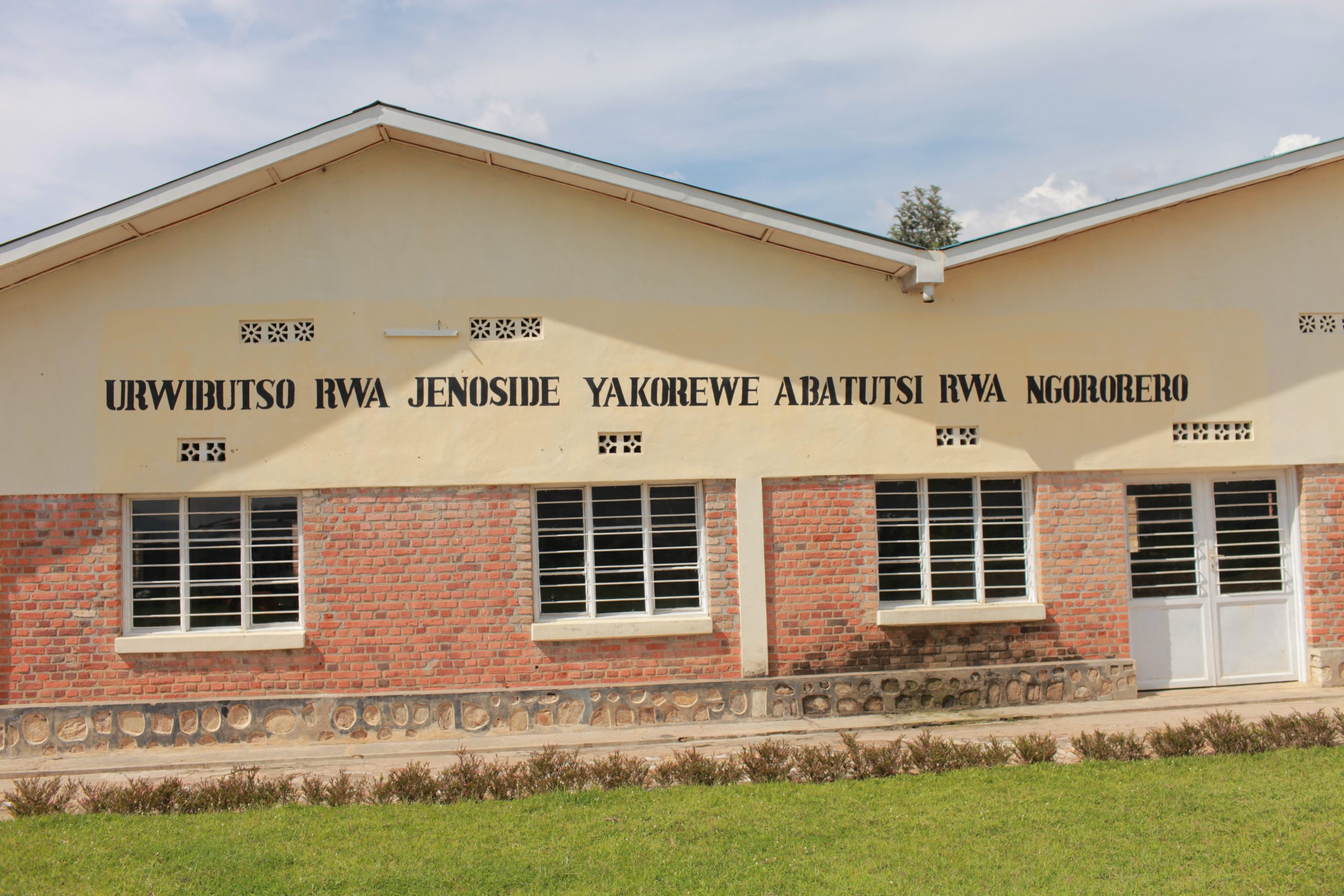
Despite attempts by some victims to resist using rudimentary means, they were ultimately overpowered by armed militias and soldiers.
As Rwanda marks Kwibuka 32, meaning “to remember,” the message from Ngororero was clear: remembrance must go hand in hand with action.
Prime Minister Nsengiyumva stressed that unity and resilience are essential not only for healing the past but also for safeguarding the future.
The commemoration ended with a renewed call for collective responsibility to confront genocide ideology, strengthen social cohesion and ensure that the promise of “Never Again” is upheld.