



Iran’s Parliament Speaker Mohammad Baqer Qalibaf is heading to Pakistan leading a Tehran delegation for talks with U.S. Vice President JD Vance in Islamabad.
Pakistan interior Minister Mohsin Naqvi said on Thursday that a comprehensive plan has been prepared to ensure foolproof security for all visiting foreign delegates.
The negotiations between the two sides are expected to bring together senior officials from both countries as part of diplomatic efforts to reach a longer-term settlement after weeks of escalating conflict.
The White House confirmed that the U.S. team will include senior envoys Steve Witkoff and Jared Kushner, with the first round of negotiations expected on Saturday.
Analysts said Pakistan-facilitated talks face cautious optimism, saying that both sides have suffered heavy military, political, and economic losses, creating pressure for a negotiated settlement.
Authorities in Islamabad have introduced sweeping security measures ahead of the talks. Local holidays have been declared in the twin cities of Islamabad and Rawalpindi to facilitate arrangements.
Police, paramilitary troops, and other security agencies are deployed under the Blue Book VVIP protocol, with separate routes designated for the movement of foreign delegations.
Despite the ceasefire, several contentious issues are expected to dominate the negotiations.
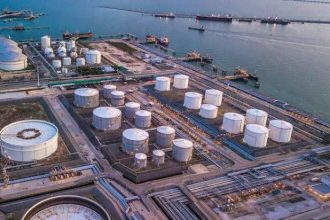
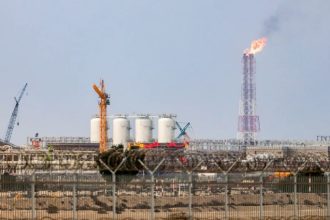
One major point is the future of the Strait of Hormuz, a critical maritime corridor through which a significant portion of the world’s oil and liquefied natural gas passes.
Sanctions relief is another central issue, with Iran seeking the lifting of sanctions imposed on it, which have severely restricted its economy and international financial transactions.
Differences also persist over uranium enrichment. Iran insists on maintaining its program for civilian nuclear energy purposes, while Washington has reiterated that it seeks strict limits on the activity.
To bring both sides to the negotiating table, Pakistani Prime Minister Shehbaz Sharif and Deputy Prime Minister and Foreign Minister Mohammad Ishaq Dar have held consultations with regional leaders and maintained diplomatic contacts with both Tehran and Washington.
Analysts said the country’s neutrality, backed by longstanding ties with all stakeholders, gives it unique leverage in promoting dialogue.
Tughral Yamin, retired brigadier and a regional security analyst, described Pakistan’s success in convening the talks as “a remarkable achievement,” noting that bringing two deeply distrustful parties together was once considered improbable.
“It demonstrates ambition and a willingness to take risks in pursuit of peace,” he said.
He said the real challenge lies in shaping a mutually acceptable outcome, requiring pragmatism, flexibility, and careful concessions.