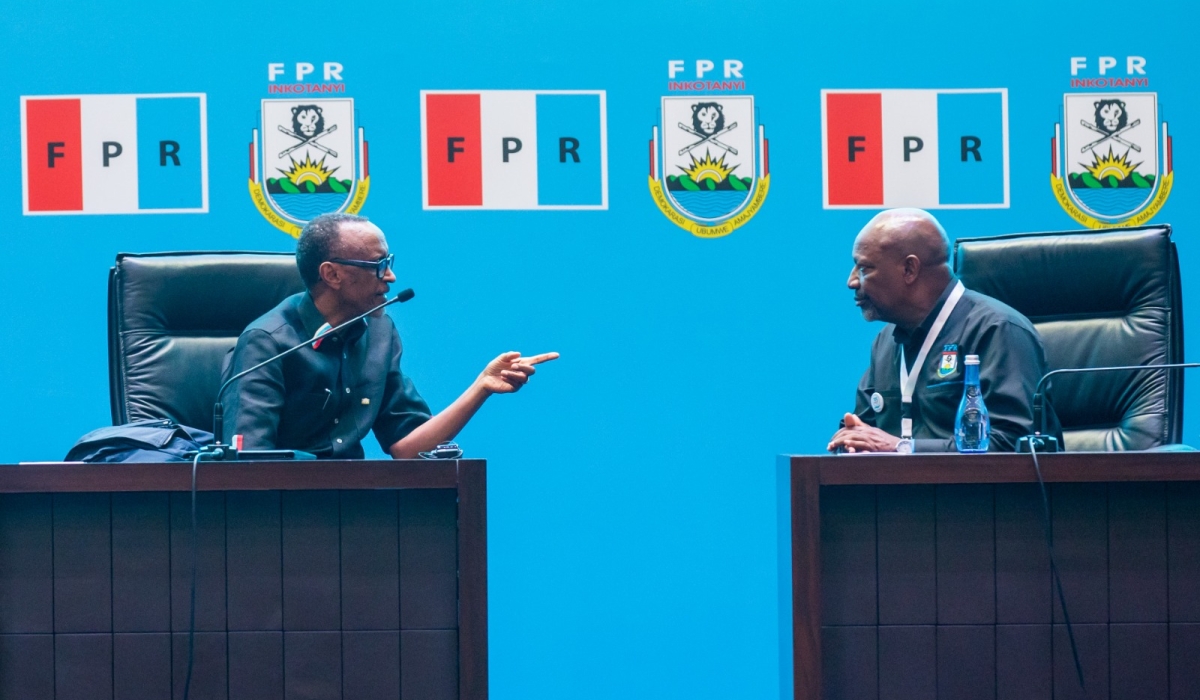
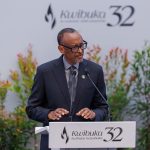

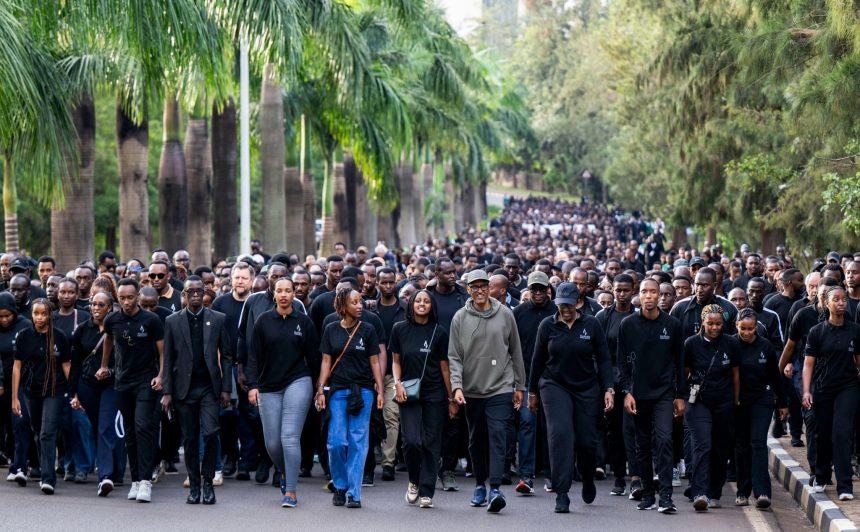
You all watched him speak.
So, President Paul Kagame chose to speak in English during Kwibuka, and it did not feel accidental. It felt deliberate and the message was meant to travel beyond Rwanda, to reach those who were there in 1994, those who hesitated, those who still question, and those who will shape what comes next. It was meant to travel across borders and across time and generations.
As I listened, something else happened. I cannot fully name it, but it felt like an epiphany.
I experienced a sudden awareness that lifted me beyond my usual thinking. For a moment, I was not just listening; I was seeing ahead, 50, even 100 years, trying to understand what this country could become if we truly grasp what he was saying.
What he delivered was not just remembrance of the Genocide against the Tutsi. It was a way of thinking about the future.
You people, let me tell you what Kagame is trying to do. He is washing away the primitively in us. We the Rwandans and fellow Africans.
Kagame is moving Rwanda away from a past that trapped us in ethnic identities, a system that fed us division and made violence possible. In its place, he is pushing for something different; a country built on unity, discipline, dignity, prosperity and the confidence to take its place in the world. Ah! This is deep.
And if we are honest, that direction matters because of where we have come from. Rwanda, like many African societies, knowns poverty, is underdeveloped, and has had unforgettable moments of violence, horror stories. Groups like the Interahamwe did not emerge from nowhere; they grew out of a society that had been conditioned, divided, and left vulnerable. We succumbed to behind medieval times. Barberic, evil, primitive and animalistic were perfect descriptions that fitted us. Note that I am using the word us. That’s the awareness I am speaking with.
What Kagame is confronting and removing those conditions, that made us see each other from an animalistic perspective, primitive compasses and not just the outcomes. Ni nko guhandura amavunja mubwonko (pricking jiggers from the mind). That requires a shift in mindset.
Importantly, this is not just rhetoric. It is something he has tried to follow through in practice.
You can see it in his speech and I want to give you just five that I picked out of many. 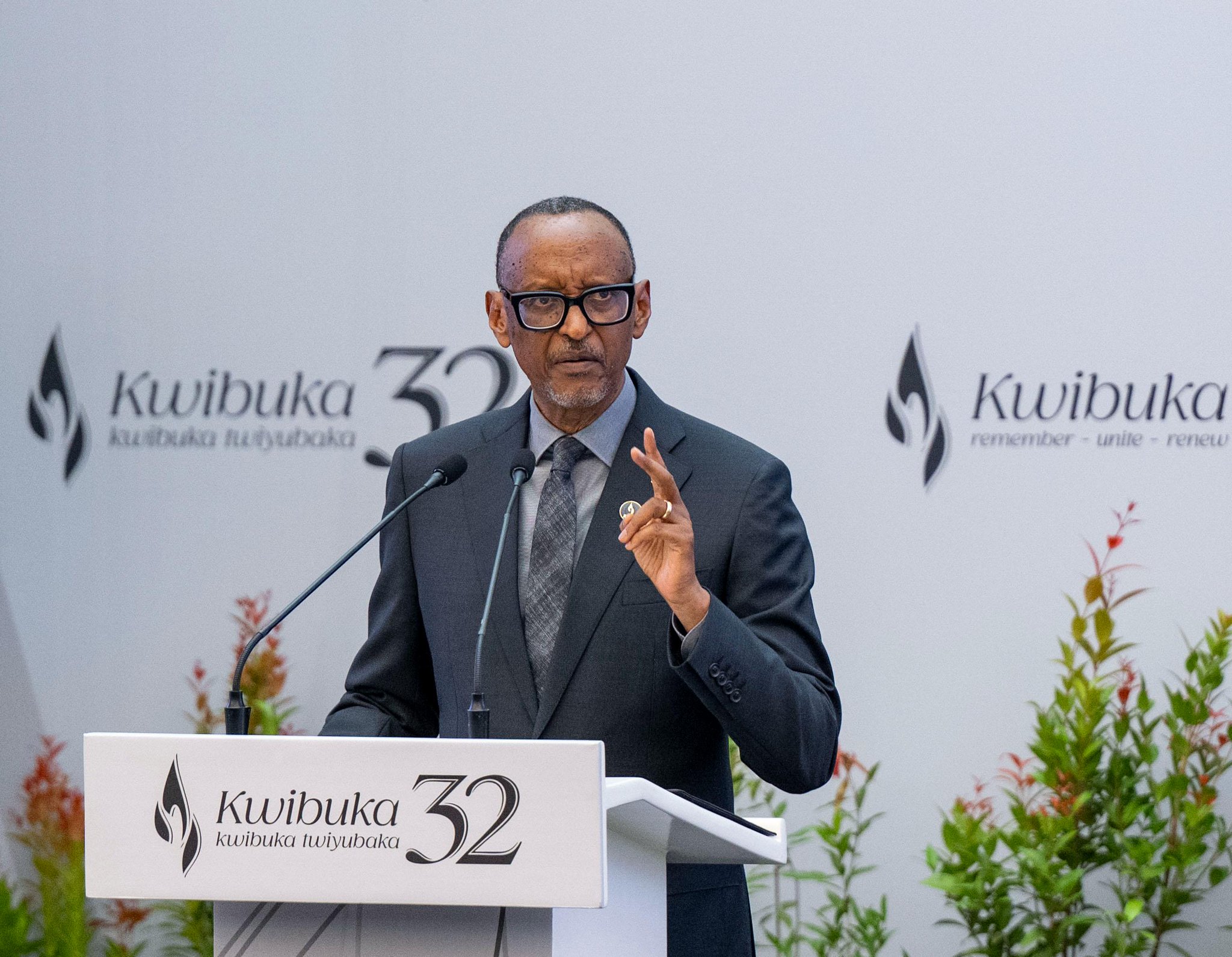
First, he reframes denial. When he says, “genocide denial begins long before the genocide itself is committed,” he is pointing to something deeper than words. He is reminding us and the world that danger starts in how people talk, what they excuse, and what they ignore. Kagame has taken this seriously, building laws and institutions that confront denial and ideology early; unapologetically.
Secondly, he removes ambiguity. He is firm that the genocide was planned and targeted, and that blurring that reality is dangerous. This clarity is reflected in how Rwanda teaches its history and preserves memory. You listened to Minister Damascene Bizimana’s lecture? And Theo’s testimony? Raw, unhinged, painful, but said as it is. That’s what I am talking about. If truth becomes flexible, prevention becomes weak.
Thirdly, Kagame speaks about sovereignty directly. When he says Rwanda will not “die twice,” he is not being symbolic. He is saying survival cannot depend on others. This is visible in the country’s focus on security and stability. The President is speaking from 100 years to come, backwards. If you don’t see it, watch his speech again.
My fourth pick. He questions the global system, without rejecting it. This is routine, but this time the delivery felt slightly different. He recalls the hesitation in 1994, even in naming what was happening. Let me tell you what that means. That memory shapes Rwanda’s posture today; engaging globally, but with awareness that support is not guaranteed. At the same time, Rwanda is pushing against how it is perceived, often through a narrow lens of conflict or dependency. This is our salvation my sisters and brothers. That’s where our future is hinged. Niho ruzingiye.
Finally, in his speech you can clearly see that he turns memory into something active. When he says this must never happen again, it is not just hope. It becomes part of how the country is run, how people are educated, and how unity is maintained. Memory sets limits on what can be tolerated. Basically, he squarely mapped the Rwanda of tomorrow into the minds of our children, the nations afar and history for reference.
Put together all the five ideas in one direction. The Rwanda I briefly saw in that moment, that 50 to 100 year vision, is not accidental. It is built carefully, through clarity, discipline, and a refusal to return to what we once were.
This is the work of a statesman. A legacy in the making, one that belongs in the realm of what the world would recognize as Nobel.
And yet, there is a difficult truth in that.
It would be deeply ironic, even tragic, if the first people to dismantle what he has built were not outsiders, but Rwandans themselves.
Because, this effort is not automatic. It requires participation, understanding, and responsibility. We are all in this together. That is the deeper meaning of the speech.
It is not asking the world to simply remember with Rwanda. It is asking us to understand ourselves, so that what happened is never allowed to return, not through violence, but through the quiet shifts in how we think. Defying the odds! 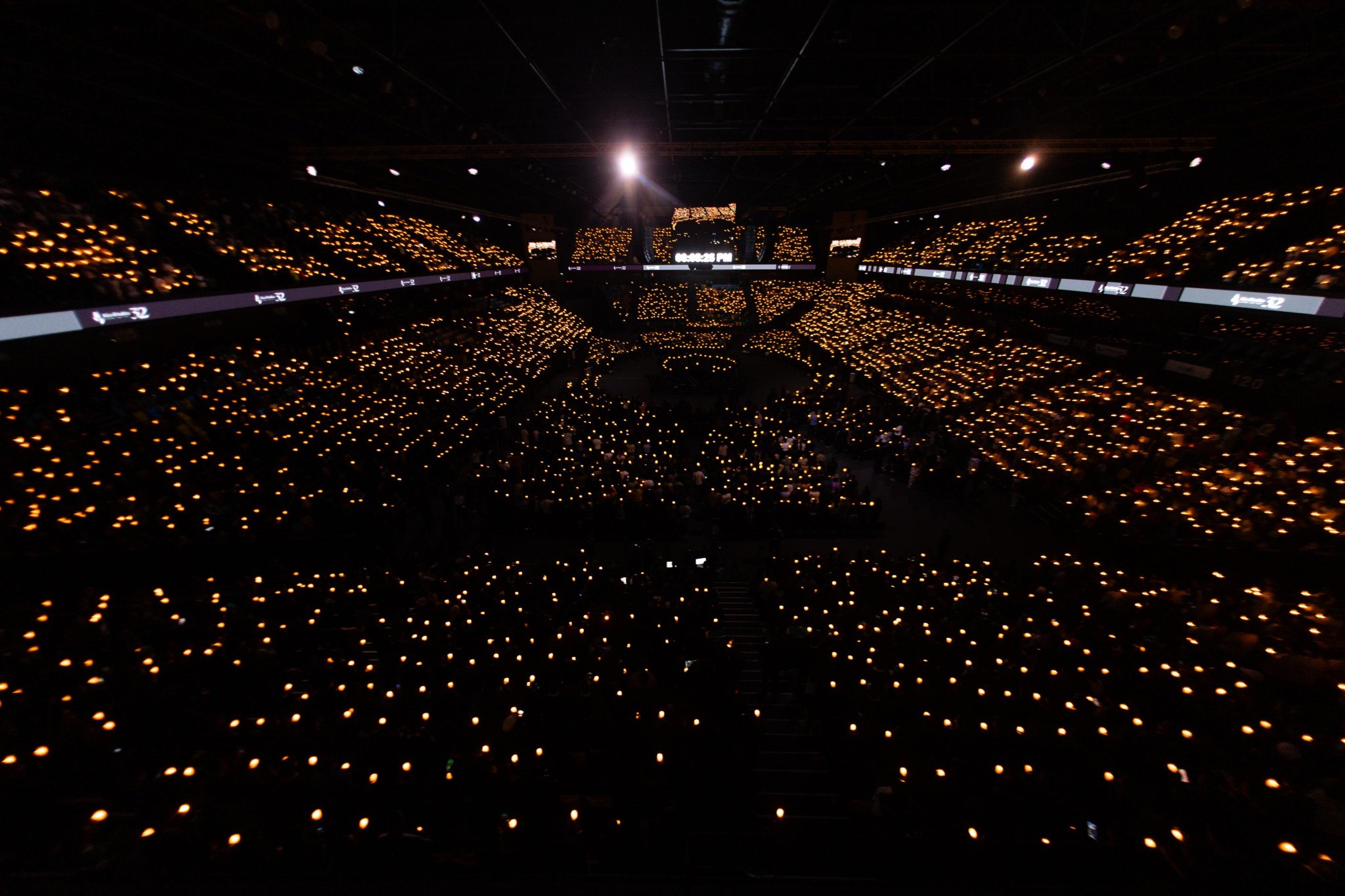
We, Remember – Unite – Renew.