





A new joint policy brief by the African Union, United Nations Economic Commission for Africa and United Nations Development Programme warns that the ongoing Middle East conflict is already sending shockwaves across African economies, with Rwanda among countries adjusting to rising fuel and transport costs.
The report indicates that oil prices have surged by about 50 percent since late March, increasing inflation risks and pushing up the cost of transport, food, and imports across the continent.
It further warns that the conflict could evolve into a broader cost-of-living crisis in Africa, driven by higher fuel and food prices, rising shipping and insurance costs, exchange rate pressures, and tightening fiscal conditions.
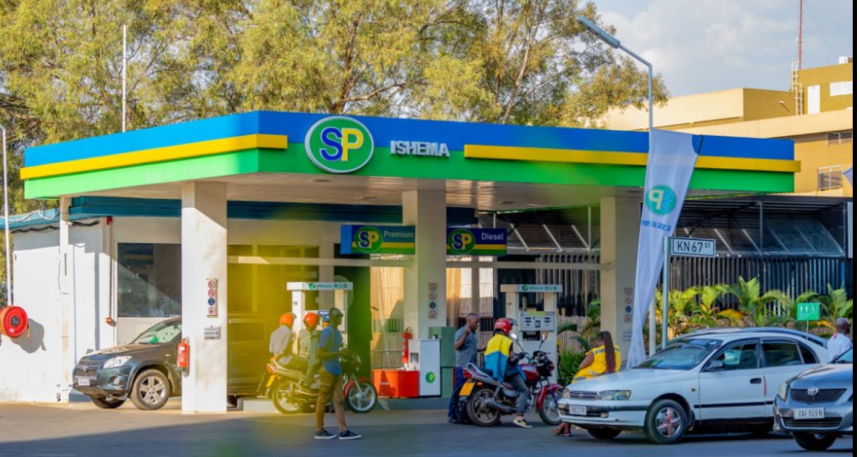
In Rwanda, the Rwanda Utilities Regulatory Authority has responded by revising fuel price caps, setting petrol at Rwf 2,303 per liter and diesel at Rwf 2,205 per liter, inclusive of Value Added Tax.
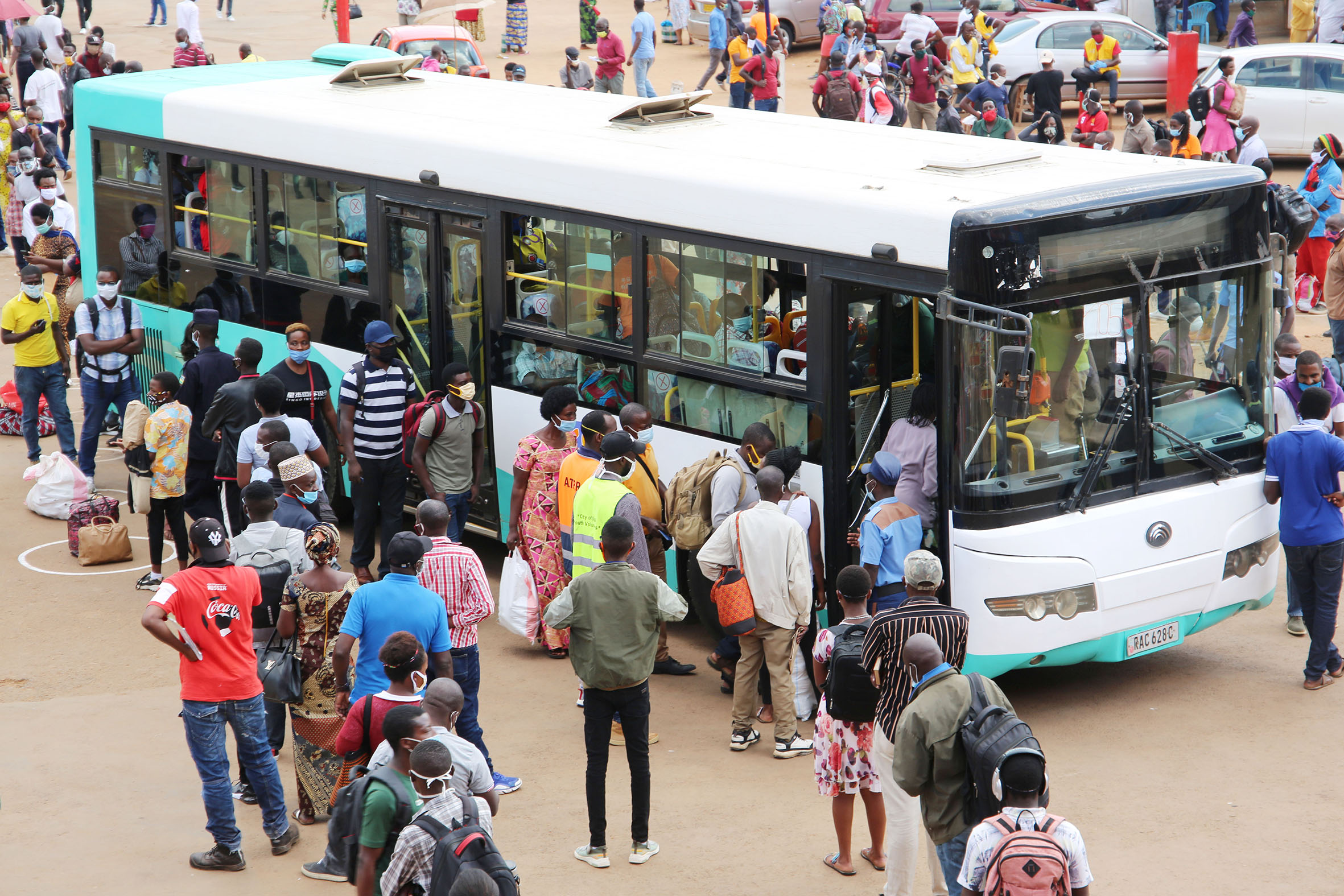
Transport fares have also been adjusted to reflect the increased operational costs. In Kigali, the base fare is now Rwf 59.28 per passenger per kilometer, while intercity transport stands at Rwf 41.58 per kilometer.
These changes have translated into revised fares across major routes. The Nyabugogo–Kamembe route via Huye is now the most expensive at Rwf 11,445, compared to Rwf 10,296 via Karongi, a difference of about Rwf 1,500.
Other routes show similar adjustments, with Nyabugogo–Musanze set at Rwf 3,821, Nyabugogo–Huye at Rwf 5,068, Nyabugogo–Kagitumba at Rwf 7,900, and Nyabugogo–Rusumo at Rwf 7,029.
According to the policy brief, Africa could lose at least 0.2 percentage points in GDP growth in 2026 if the conflict persists, particularly if disruptions to energy supply, shipping routes, and fertilizer markets continue.
The report highlights that the Middle East accounts for 15.8 percent of Africa’s imports and 10.9 percent of its exports, underlining the continent’s vulnerability to disruptions in the region. It also notes that the Strait of Hormuz handles about 20 percent of global oil exports, making it a critical chokepoint in the crisis.
Beyond fuel, the report warns of potential fertilizer shortages linked to disruptions in liquefied natural gas supply, which could affect ammonia and urea production during key planting seasons and drive food prices higher across Africa.
It also notes that currencies in 29 African countries have already depreciated, increasing the cost of imports and external debt servicing, while placing additional pressure on foreign exchange reserves.
At the same time, the report points to emerging geopolitical and security risks, including increased competition for influence in Africa among global powers and rising costs of humanitarian operations in fragile regions such as Sudan and Somalia.
Speaking at a recent press conference, Prime Minister Justin Nsengiyumva warned that the impact of the crisis is already being felt and could worsen in the coming days.
“We encourage Rwandans to use petroleum products efficiently, reduce unnecessary travel, and opt for public transport,” he said, urging citizens to begin economizing as global uncertainty continues.
RURA has called on the public to plan travel efficiently and avoid unnecessary trips, adding that it will continue monitoring market developments to ensure fair pricing and reliable service delivery.
While some African countries may see limited short-term gains from higher commodity prices or shifting trade routes, the report cautions that these benefits are uneven and unlikely to offset the broader inflationary pressures and fiscal strain facing the continent.