
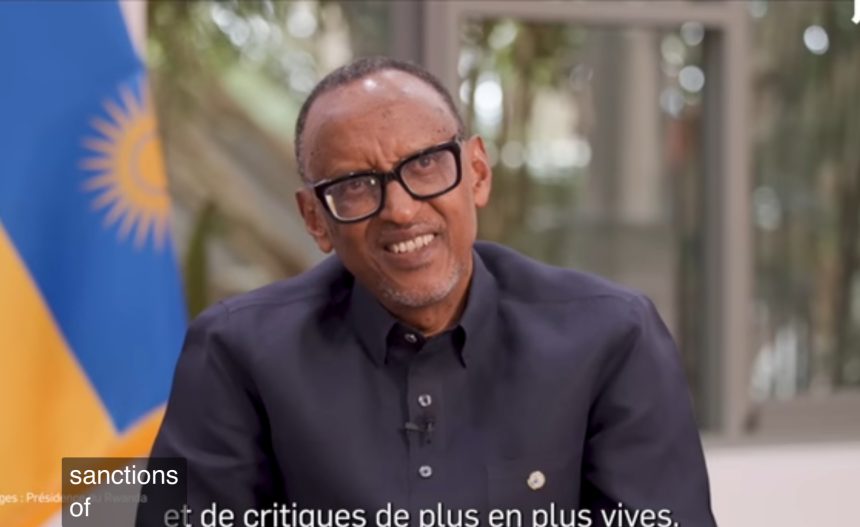
In this exclusive interview with Jeune Afrique, President Paul Kagame addresses escalating tensions in Eastern Democratic Republic of Congo, international criticism, and Rwanda’s security posture.
He defends Rwanda’s actions as necessary “defensive measures,” challenges the logic of sanctions, and outlines his perspective on regional stability, diplomacy, and sovereignty.
Q: When observing the current pressure, sanctions, and criticism directed at Rwanda, can we speak of a process of diplomatic isolation?
Paul Kagame: There are many ways of looking at it. For those who choose to see it that way, I cannot stop them. This conflict did not start with Rwanda. It became prolonged because those responsible failed to address it properly, and it continues to pose a threat to Rwanda, especially when supported by a government.
Blaming Rwanda while ignoring the root causes is simply choosing the easiest path. But that will not provide a solution.
Q: The U.S. Treasury recently imposed sanctions on Rwandan officials and called for the withdrawal of troops from Eastern Congo. Will you comply?
Paul Kagame: Agreements involve multiple parties. It cannot be that Rwanda fulfills its obligations while others choose whether or not to act.
The United States, having helped bring parties together, should act impartially. Choosing sides does not produce good results.
Q: The capture of Uvira shortly after a peace agreement was perceived as a provocation. How do you respond?
Paul Kagame: That interpretation is selective. Fighting around Uvira began long before the agreement. The United States was informed continuously. It did not suddenly happen after the agreement—it was already in motion.
Q: Your ambassador acknowledged coordination with M23. Does this confirm Rwandan troop presence in Eastern Congo?
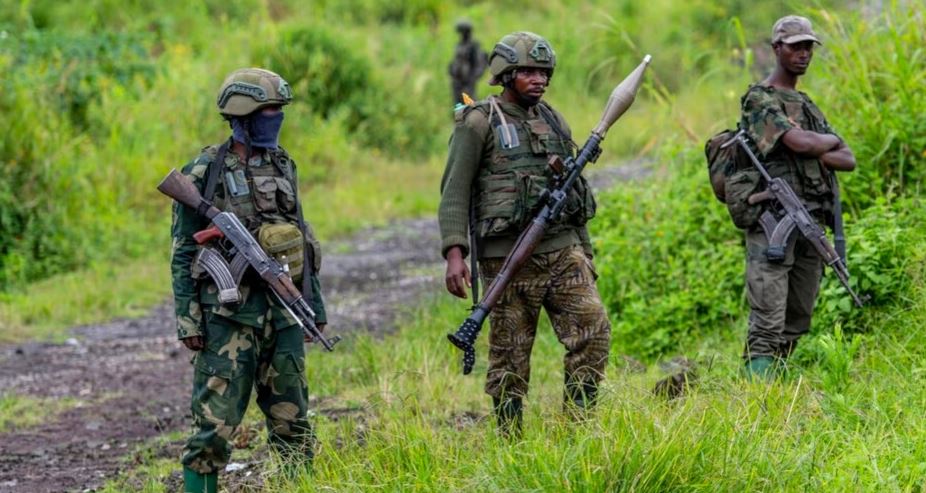
Paul Kagame: Defensive measures can include troops or equipment. Protecting our borders may require action depending on the threat. There is no contradiction in that.
Q: Rwanda refuses to withdraw its forces until the FDLR is eliminated. Is a compromise possible?
Paul Kagame: We insist that both sides act simultaneously. This principle is already reflected in previous agreements, but they have not been respected by the DRC.
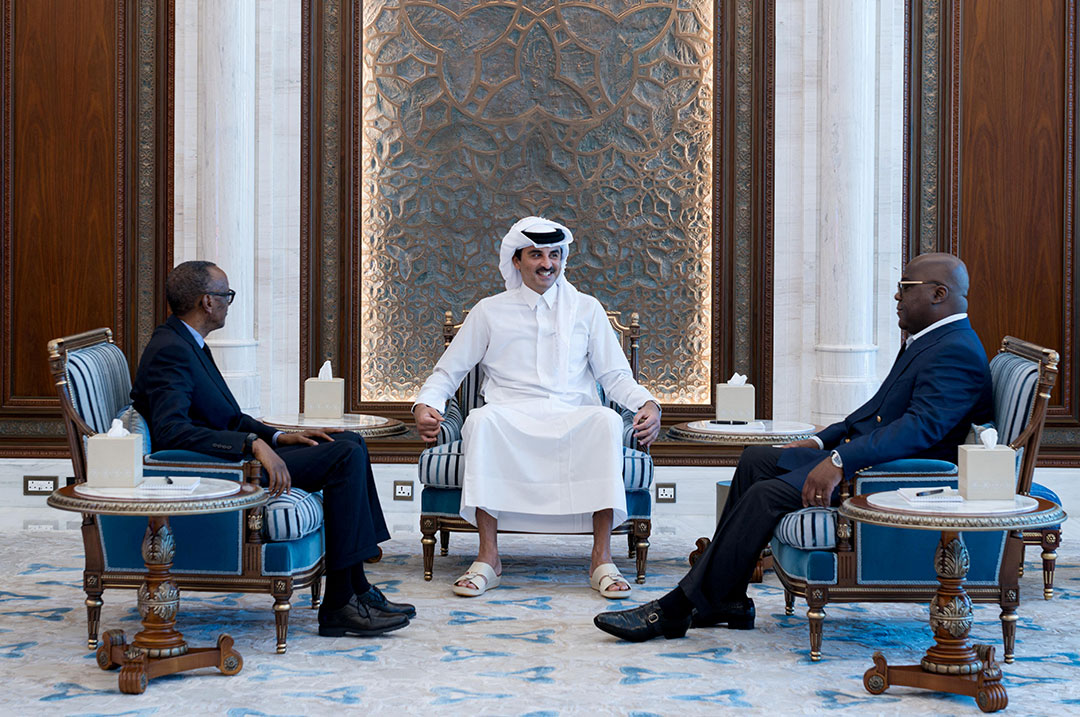
Q: Your relationship with President Tshisekedi appears strained. Can it improve?
Paul Kagame: Maybe yes, maybe no. I am comfortable waiting to see what happens.
Q: Some individuals associated with armed groups have reportedly met with Congolese authorities. Does this concern Rwanda?
Paul Kagame: The issue is not about one individual. These networks are linked to groups like the FDLR and are connected to leadership structures. That cannot be dismissed.
Q: Since the capture of Goma, M23 has been accused of abuses. Do you believe governance is better in those areas?
Paul Kagame: From what I am told, the situation in places like Goma and Bukavu is better than before. Anyone can assess for themselves.
Q: Does M23’s presence improve Rwanda’s border security?
Paul Kagame: There is no question about it. The border is now more secure, which benefits Rwanda.
Q: Some observers believe Rwanda seeks political and economic influence in Eastern Congo. Is that accurate?
Paul Kagame: Our objective is peaceful coexistence and security. We cannot accept threats from neighboring regions.
As for minerals, Rwanda has its own resources. Any trade is subject to proper certification processes.
Q: Does former President Kabila’s presence in Goma suggest Rwandan support?
Paul Kagame: He made his own decisions. Anyone seeking to contribute to stability in Congo should be allowed to do so.
Q: Could sanctions damage Rwanda’s international reputation?
Paul Kagame: Should we compromise our security to avoid sanctions? These measures are often based on interests, not fairness. There is little we can do about that.
Q: Rwanda has suggested it could withdraw troops from Mozambique if support is reduced. Is this a threat?
Paul Kagame: It is not a threat—it is reality. We cannot sustain costly operations without adequate support. If security is needed, it must be funded.
Q: You were absent from public view for several weeks, which sparked speculation. Should a head of state have a right to privacy?
Paul Kagame: Why should three weeks be considered too much? I take time to rest and be with my family.
If you assessed people’s health, I would still rank among the healthiest.
Q: Finally, why does Rwanda insist on maintaining its defensive measures?
Paul Kagame: We will not remove defensive measures while the threat remains. It makes no sense to ask us to withdraw protection without addressing the threat itself.