





A major investment of between $25 million and $30 million is powering the development of a modern cold storage facility by Cold Solutions Rwanda in Kigali Special Economic Zone, a move expected to significantly strengthen the country’s export capacity.
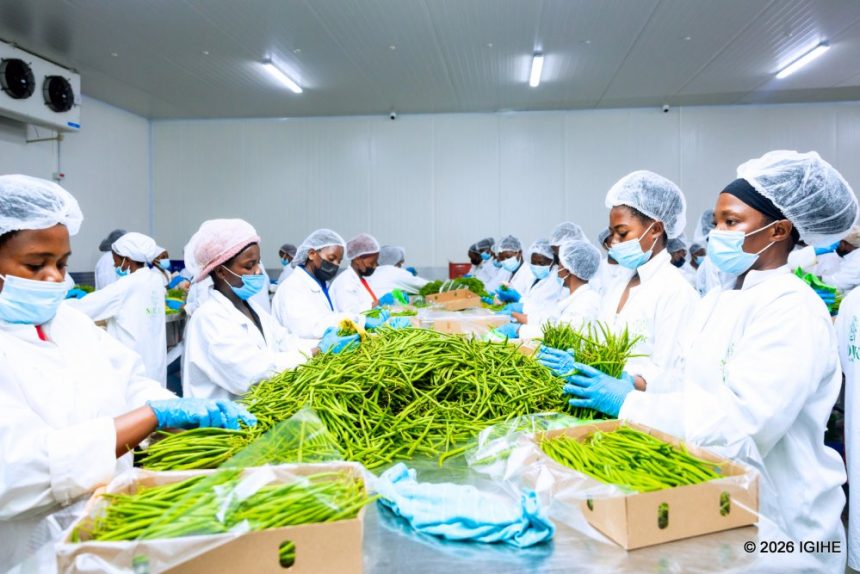
The company has already launched the first phase of the project—a 1,400-square-meter “packhouse” that will be used to receive, sort, and prepare fresh produce for international markets. The facility is part of a larger cold chain infrastructure project scheduled for completion in 2027.
Julie Igiraneza, Commercial Manager at the company, emphasized the importance of the newly opened facility, saying, “This packhouse will help exporters access high-quality services to handle and store their produce in a reliable way before export.” She added that the second phase, currently under construction, will introduce full cold storage capabilities.
“The next phase will allow produce to be properly cooled to required standards before packaging and shipment to international markets,” she noted, highlighting the long-term value of the multi-million-dollar investment.
Once completed, the facility will include advanced technologies such as blast chilling and blast freezing, with the ability to reach temperatures as low as -40°C—critical for preserving perishable goods like fruits, vegetables, and pharmaceuticals.
Azhar Rifai, CEO of Cold Solutions Rwanda, described the investment as a major milestone for the country’s logistics sector. “This 1,400-square-meter packhouse is a significant step toward building a strong cold chain system capable of handling temperature-sensitive goods in Rwanda and the wider region,” he said.
The project is part of the ARCH Cold Solutions East Africa Fund, managed by ARCH Emerging Markets Partners. Its CEO, Fredd Kambo, underscored the broader impact of the investment, stating, “This facility will play a key role in improving the distribution of perishable goods—whether for local markets, regional trade, or exports.”
Backed by tens of millions of dollars, the project is expected to reduce post-harvest losses, enhance Rwanda’s agricultural export competitiveness, and support sectors like pharmaceuticals that require reliable cold storage.