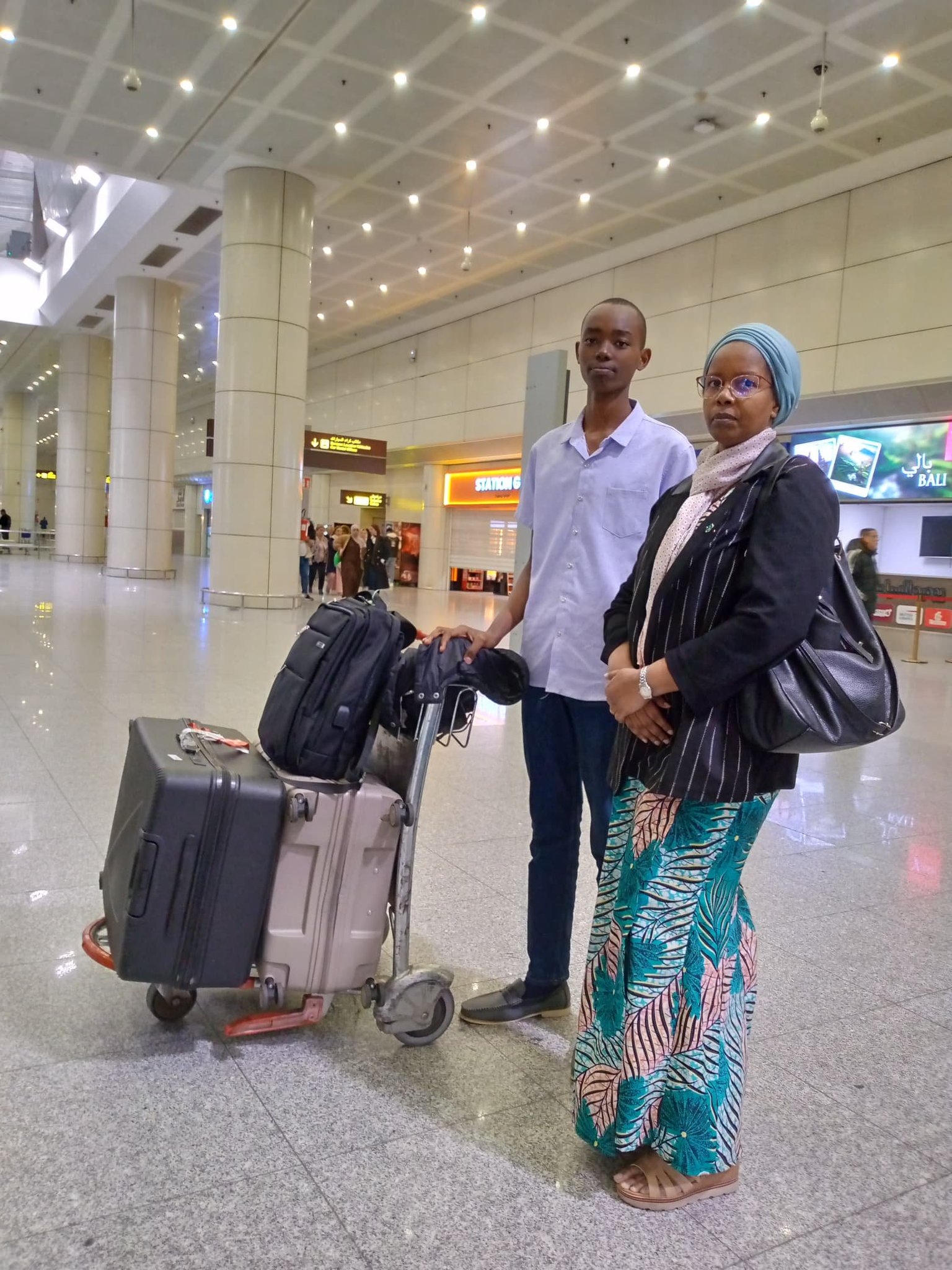






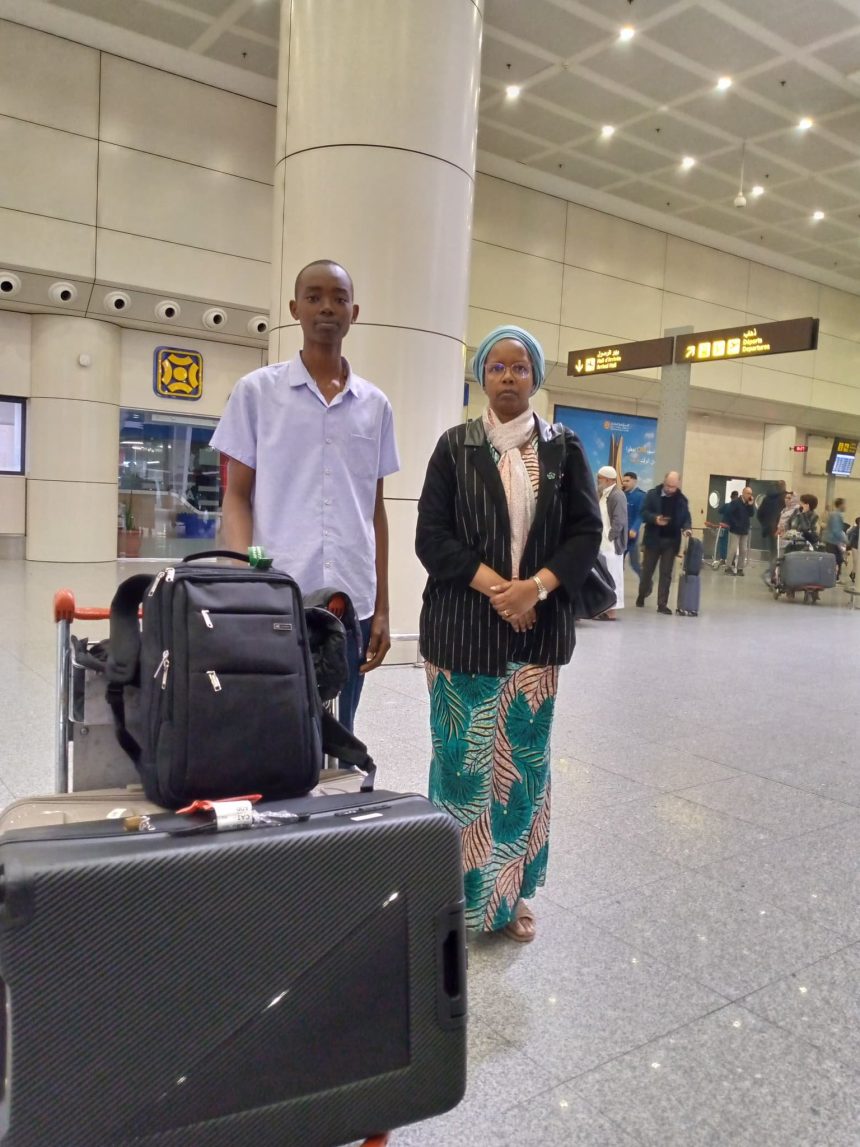
In a week dominated elsewhere by trade deals, security briefings and high-level diplomacy, Burundi’s embassy found itself at the center of attention for a far more unexpected reason: one student, one flight, and one very enthusiastic tweet from the First Chancellor.
On March 27, 2026, the embassy’s First Chancellor announced that the mission had “welcomed” a Burundian student on his way to Algeria to pursue university studies, wishing him courage and success. A simple, well-meaning message—until the internet got involved.
What followed was swift and unforgiving. Social media users across the region began sharing the post with a mix of amusement and disbelief, wondering how an entirely routine student departure had been elevated to what sounded like a diplomatic milestone.
For many, it felt less like a courtesy message and more like breaking news from a very quiet newsroom.
Some joked that other embassies announce billion-dollar agreements, while this one was proudly tracking a student’s academic journey step by step. Others imagined follow-up dispatches: the student has landed safely, the student has registered for classes, the student has attended his first lecture—each worthy, perhaps, of another official communiqué.
In group chats and online threads, the story took on a life of its own. One commenter quipped that if this was the standard, graduation day might require a national address. Another suggested the embassy had accidentally launched a new genre of diplomacy: real-time student monitoring.
Behind the humor, however, the episode quietly raised questions about perception and messaging. What was intended as encouragement for a young citizen quickly became a symbol—fairly or not—of how a country presents itself on the international stage.
In the end, there was no scandal, no crisis, no diplomatic fallout. Just a student heading to university, a First Chancellor showing support, and a reminder that in the age of social media, even the smallest moments can become unexpectedly unforgettable.