





The United Arab Emirates says its air defence systems have intercepted hundreds of missiles and drones launched toward the country as tensions in the Middle East escalate, while officials insist daily life and the economy remain stable.
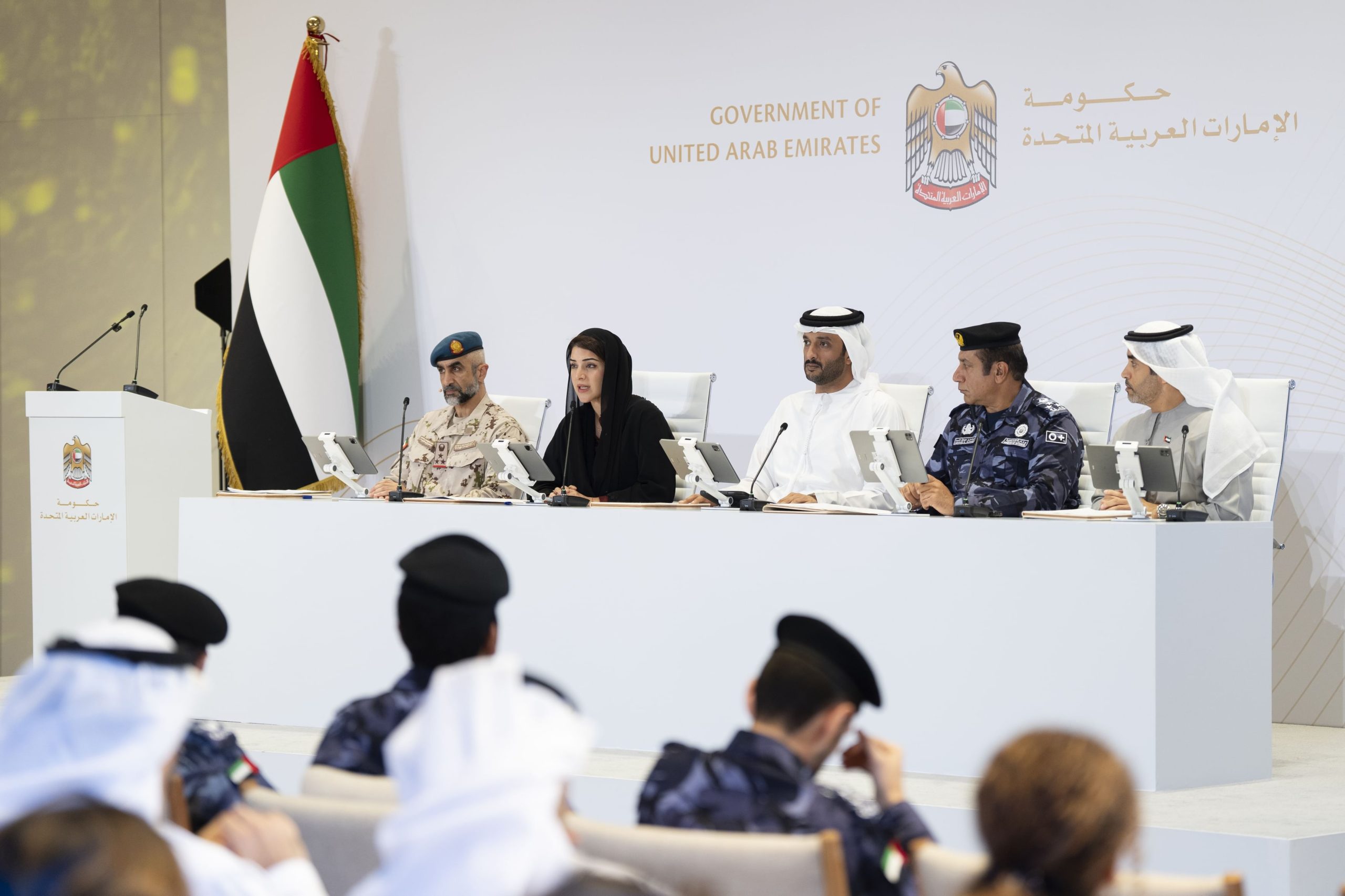
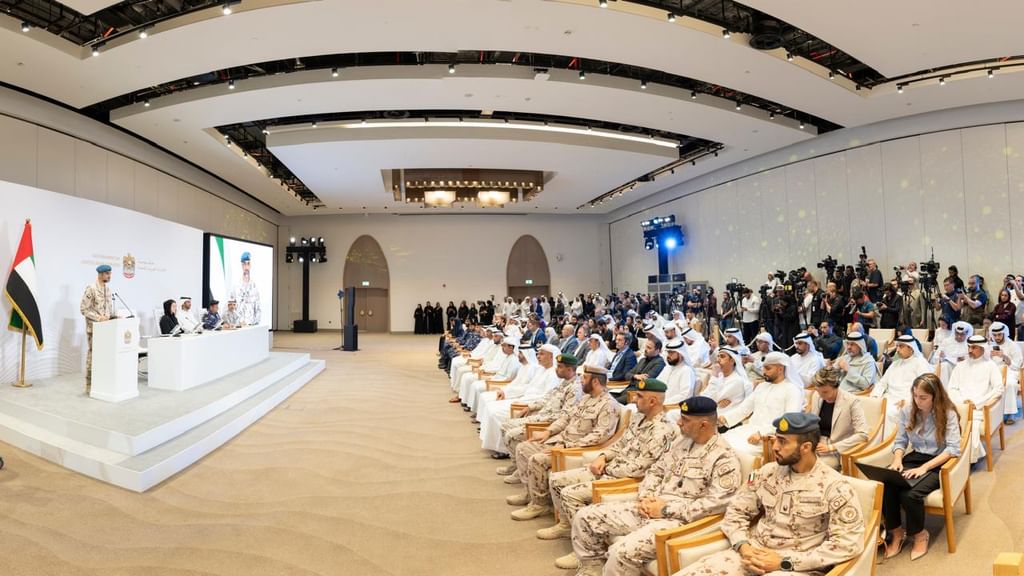
During a government press briefing on 4 March 2026, senior officials from the defence, diplomatic, economic and security sectors outlined the country’s response to what they described as a series of Iranian attacks and a wider regional crisis.
Brigadier General Pilot Abdul Nasser Al Humaidi, spokesperson for the Ministry of Defence, said the country’s integrated air defence network had intercepted the majority of incoming threats since the start of what officials called Iranian aggression earlier this year.
According to official figures, 186 ballistic missiles were launched toward the UAE. Of these, 172 were intercepted and destroyed, 13 fell into the sea and one missile landed within UAE territory. Authorities also detected 812 drones, with 755 intercepted while 57 landed inside the country. Eight cruise missiles were also detected and destroyed.
Despite the scale of the attacks, casualties were limited. Officials reported three fatalities and 68 minor injuries, along with minor to moderate damage to some civilian properties.
Al Humaidi said the injuries were not caused by direct strikes but by debris from interception operations. When air defence systems intercept missiles or drones, fragments can fall to the ground.
Residents in several areas reported hearing loud explosions in recent days, which officials said were caused by air defence systems intercepting projectiles and fighter jets engaging drones.
Military officials displayed debris from intercepted weapons, including Qiam-class ballistic missiles, Paveh cruise missiles and Iranian Shahed-series drones.
While outlining its military response, the UAE also emphasised diplomatic efforts to prevent wider conflict. Reem Al Hashimy, Minister of State for International Cooperation, said the UAE had closed its embassy in Tehran, withdrawn its ambassador and summoned the Iranian envoy in Abu Dhabi to deliver a formal protest.
She said the UAE continues to call for restraint and dialogue but maintains its right to self-defence under Article 51 of the United Nations Charter.
Economy and Tourism Minister Abdulla bin Touq Al Marri said the UAE’s diversified economy and global partnerships have helped it withstand geopolitical shocks. The country maintains strategic reserves of essential goods sufficient for four to six months.
Authorities are monitoring prices at 627 retail outlets and have conducted 420 inspections to prevent shortages and unjustified price increases. Officials urged residents to avoid panic buying and purchase according to actual need.
The tourism sector also remains operational, with more than 1,260 hotels and over 40,000 tourism-related companies across the country.
Regional tensions have disrupted some aviation routes, but authorities say contingency measures are in place. Since 1 March, national carriers have operated 160 flights transporting 17,498 passengers, mainly citizens and residents returning home. More than 80 flights per day are expected in the next phase.
 The government also announced it will cover accommodation and food costs for passengers stranded at airports due to flight disruptions.
Brigadier Abdulaziz Al Ahmad, spokesperson for the Ministry of Interior, said security across the country remains stable. Authorities have deployed more than 4,100 security patrols and over 3,200 specialised vehicles nationwide.
Dr. Saif Al Dhaheri, spokesperson for the National Emergency, Crisis and Disaster Management Authority, said the national crisis response system has been activated to ensure essential services continue operating normally. Schools have temporarily shifted to remote learning to maintain continuity of education.
Authorities also urged residents to rely on official sources of information and avoid spreading rumours.
Officials said coordinated planning, strong institutions and public cooperation have allowed the UAE to maintain stability despite rising regional tensions.