




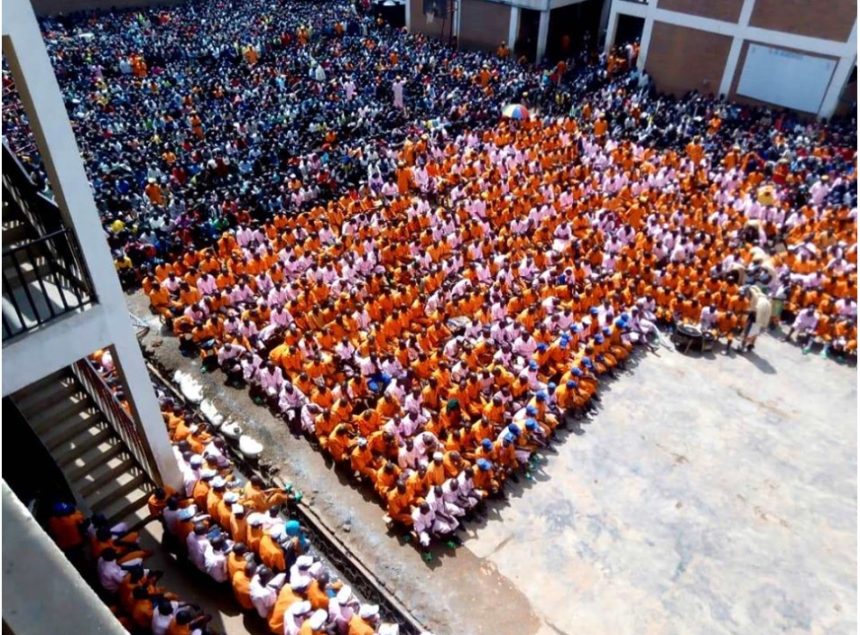
The Government of Rwanda has approved the conditional release of 1,874 prisoners under a ministerial order published in the Official Gazette on March 4, 2026.
The decision, issued by the Minister of Justice and Attorney General after Cabinet approval, allows convicted individuals serving sentences in several correctional facilities to be released on parole under strict legal conditions.
The order lists the names, offences, sentences, and case file numbers of the beneficiaries across hundreds of pages of the Official Gazette annex.
Prisoners released come from multiple correctional facilities including Bugesera, Gicumbi and others across the country.
An analysis of the annex shows that property-related crimes dominate the list of parole beneficiaries.
The largest category involves theft and robbery offences, accounting for 866 individuals, or approximately 46 percent of all those granted parole. These offences include simple theft (kwiba), burglary and robbery involving threats or weapons.
The second-largest category involves assault and bodily harm offences, including intentional physical injury cases. A total of 495 individuals, representing about 26 percent of the releases, fall into this category.
Drug-related offences represent another significant group among those released. About 154 prisoners, or roughly 8 percent, had been convicted of crimes involving illegal substances, particularly the production, possession or distribution of the illicit gin commonly known as Kanyanga.
Another 137 individuals, accounting for around 7 percent, were convicted of fraud and related financial crimes, including embezzlement, deception and obtaining property through fraudulent means.
A very small number of cases involve livestock-related offences, particularly the intentional killing of domesticated animals. These account for 9 individuals, representing less than 1 percent of the total.
Under the ministerial order, the release of these prisoners is conditional.
Beneficiaries must report to the local prosecutor within 15 days after publication of the order and provide details of their residence, including the village, cell, sector and district where they live.
After the initial registration, parolees are required to appear before the prosecutor once every month on a scheduled date.
They must also seek authorization from the Minister of Justice before traveling abroad.
Failure to comply with these conditions may lead to revocation of parole, meaning the individual can be returned to prison to serve the remaining part of their sentence.
Justice officials say the conditional release system aims to balance punishment with rehabilitation while helping manage prison populations.
By allowing inmates who have demonstrated good behavior to serve part of their sentence under supervision, authorities hope to promote reintegration into society while maintaining public safety.