



They call them sanctions, as though a signature in Washington can redraw the security map of Central Africa. So, names are added to lists, accounts are frozen, and statements are released. From afar, it appears decisive.
But sanctions do not stop mobs, unfortunately. They do not neutralise incitement either. And they do not protect civilians when identity itself becomes a liability.
The most alarming dimension of the current crisis in Eastern Congo is not diplomatic tension. And we all know it. It is the growing pattern of ethnic targeting against Congolese citizens of Rwandan origin, Banyarwanda, inside eastern Democratic Republic of the Congo.
There are mounting reports of arbitrary arrests, including the detention of large numbers of individuals, about 700, allegedly held because they “look Rwandan” or are presumed sympathetic to Rwanda. When detention is based on identity rather than individual criminal conduct, the warning lights begin to flash.
Equally disturbing is the normalisation of hostile rhetoric. When political figures and public voices like President Felix Tshisekedi, Patrick Muyaya or Thérèse Kayikwamba Wagner frame an entire community as infiltrators, collaborators, or enemies of the state, language becomes weaponised.
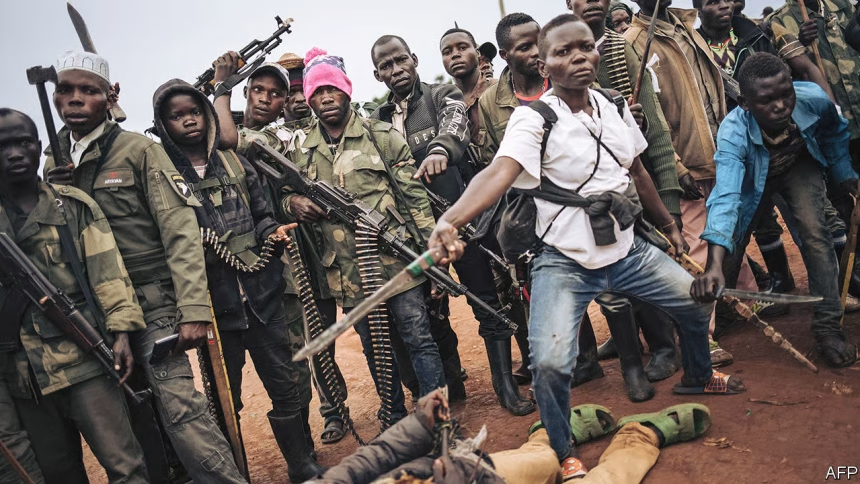
History demonstrates that dehumanising speech often precedes physical violence. Incitement does not always begin with machetes; it begins with microphones.
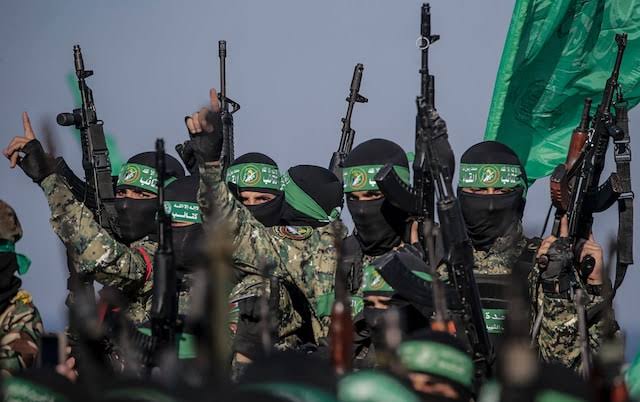
There have also been credible concerns about large-scale civilian killings in eastern Congo involving multiple armed actors over the years. The region is saturated with about 100 militias, irregular forces, and fragile command structures. In such an environment, identity-based suspicion has rapidly escalated into collective punishment.
The specter of ethnic cleansing, even if not formally declared, has emerged whenever communities are targeted for expulsion, detention, or elimination because of who they are.
For Rwanda, these developments are not abstract. The country’s national psychology is shaped by a genocide that unfolded in the presence of warning signs many dismissed as exaggeration. When hostile rhetoric rises across a border, when citizens associated by ethnicity are detained without a transparent process, when political voices speak casually about regime change or military confrontation, the threat perception is immediate.
Critics ask why Rwanda would intervene or adopt an assertive posture. A more pointed question is this: how does the United States respond when it perceives threats to its national security, real or potential?
Let’s recall. The United States invaded Afghanistan after the September 11 attacks. It sent special operations forces into Pakistan to eliminate Osama bin Laden without prior public consent from Islamabad. It invaded Iraq in 2003 based on intelligence assessments about weapons of mass destruction. It has conducted drone strikes in multiple countries under the doctrine of preemption. This week, Iran was turned into a mubble. In each instance, the justification has been the same: eliminate threats before they mature.
Whether those actions were right or wrong remains debated. But the doctrine has always been clear; perceived threats warrant decisive action.
If that logic is accepted for a global superpower like the USA, it is inconsistent to deny that smaller states may also act when hostile forces and inflammatory rhetoric gather at their doorstep. Sovereignty is not a privilege reserved for the powerful.
In this case, therefore, no one dismisses Congolese sovereignty. Congo’s territorial integrity is real and must be respected. But sovereignty carries obligations as well, particularly the protection of minorities and the prevention of incitement. When a state struggles to guarantee those protections, regional tension is inevitable.
So, sanctions, in this context, appear misdirected. They focus on diplomatic signalling while the deeper issue is human security and atrocity prevention. They do not establish independent monitoring of detention practices. They do not address inflammatory speech. They do not dismantle militias. They do not create verifiable guarantees for vulnerable communities.
More troubling still is the perception of selective accountability. When external powers maintain strategic mineral interests in Congo, when global actors benefit economically from its resources, and yet pressure is concentrated narrowly on one neighbouring state, questions of consistency arise. If the standard is stability and civilian protection, it must be applied universally.
Rwanda’s position can be understood through one lens above all: prevention. In a region where past catastrophe was preceded by denial, precaution is not aggression—it is risk management.
The real question is not simply why Rwanda acts. It is whether the international community is prepared to intervene diplomatically, legally, and institutionally to prevent further identity-based violence before it escalates.
Sanctions may satisfy political optics. They may signal disapproval. But they do not substitute for credible atrocity prevention mechanisms.
In regions where history has already shown how quickly words become weapons, the responsibility of serious actors is not to posture, but to prevent.