




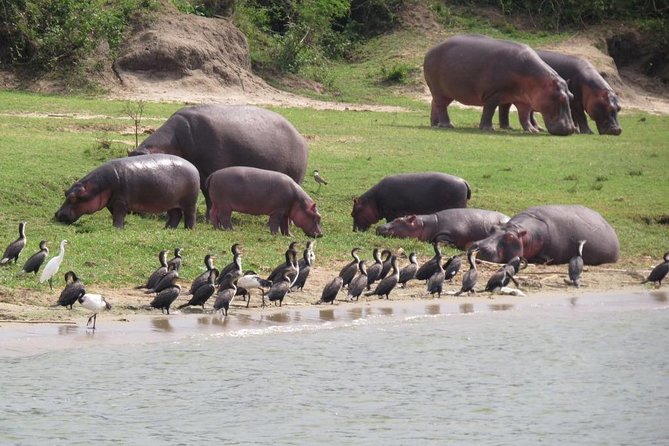
Residents of Karangazi Sector in Nyagatare District, who live near Akagera National Park, have raised concerns over what they describe as inadequate compensation for losses caused by wild animals straying from the park into their communities.
The complaints were presented on Tuesday during a visit by senators from the Parliamentary Committee on Foreign Affairs, Cooperation and Security, who were on an oversight mission to assess measures aimed at preventing wildlife from damaging crops, livestock and other property belonging to local communities bordering Akagera National Park.
Local residents told the senators that compensation paid through the national fund for wildlife-related damages does not match the actual value of their losses.
They cited cases where farmers and livestock keepers received far less than the market value of the property destroyed.
One resident gave an example of a cow worth one million Rwandan francs that was killed by wild animals, yet the owner was compensated with only 400,000 francs.
Others highlighted losses in agriculture, noting that delays by assessment officers in visiting damaged farms often result in underestimation of the investment made and the expected harvest.
“The problem is not only the low amounts, but also the delays,” said Muzungu Francis, a resident living near the park.
“You may invest heavily in farming or livestock, but when animals destroy your property, the compensation you receive does not reflect the real value of what you lost. Sometimes officials come late, and by then, the damage cannot be properly assessed.”
The senators acknowledged the concerns and said the complaints would inform discussions with relevant institutions, including the Rwandan Senate, agencies managing the compensation fund, and park authorities.
They emphasized the need for a fair, timely and transparent compensation mechanism that reflects the real value of losses suffered by communities living alongside wildlife conservation areas.
Akagera National Park, a key tourism and conservation site in eastern Rwanda, has long been associated with human–wildlife conflict, particularly for residents of Karangazi Sector.
While conservation efforts have boosted wildlife populations, local communities argue that compensation policies must be improved to ensure they are not left to shoulder the cost of conservation alone.