





The central bank of Rwanda (BNR) has increased its key policy interest rate by 50 basis points to 7.25%, up from 6.75%, in a bid to contain inflationary pressures and keep price growth within the central bank’s target range of 2% to 8%.
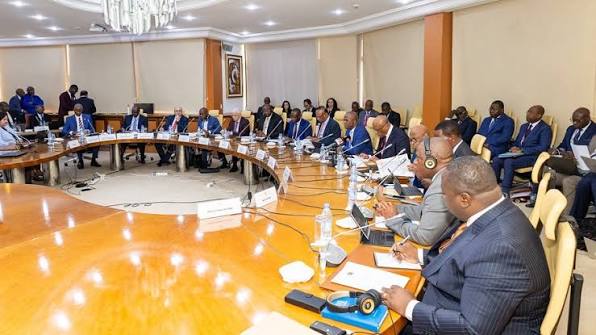
The decision was announced during the first-quarter 2026 briefing of the Monetary Policy Committee (MPC) and the Financial Stability Committee, following meetings held earlier in the week. It marks the first adjustment to the policy rate in three months.
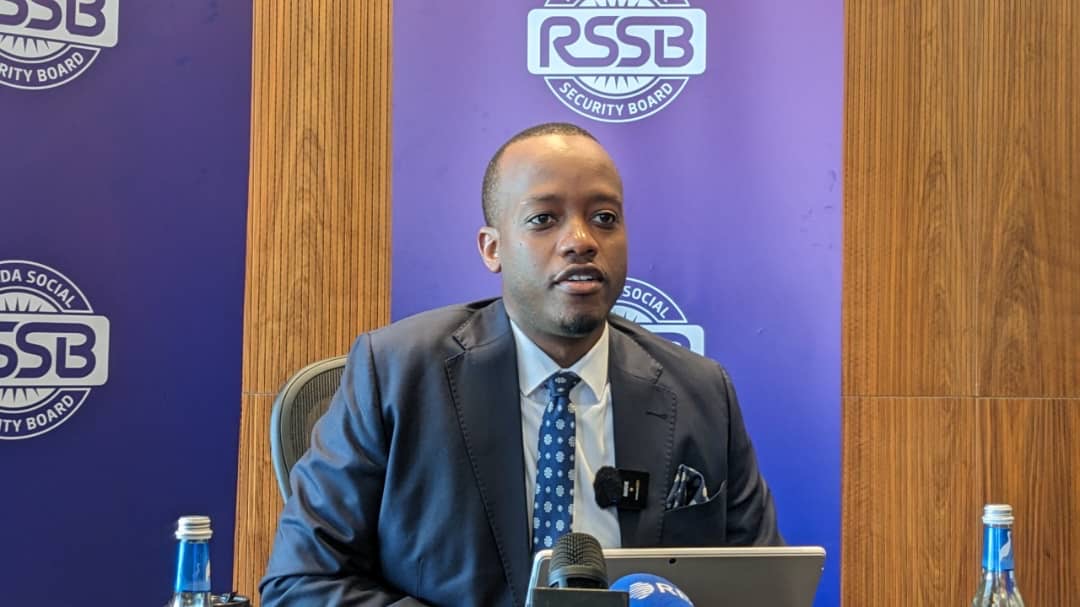
Presenting the outcome of the MPC deliberations, BNR Governor Soraya Hakuziyaremye said the move underscores the central bank’s commitment to transparency and evidence-based policymaking.
“This quarterly briefing reflects our commitment as a central bank to transparent, data-driven and forward-looking policymaking,” Hakuziyaremye said.
“Our decisions are guided by a careful assessment of recent economic developments, inflation trends in 2025, and projections for 2026, with the objective of safeguarding price stability while sustaining Rwanda’s economic growth.” she added.
Global and Regional Economic Environment
The MPC’s assessment began with a review of global economic conditions, noting that growth remains moderate amid persistent geopolitical tensions and ongoing trade uncertainties.
Global GDP growth is projected at 3.2% in both 2025 and 2026, before slowing further in 2027—below the pre-COVID-19 average of around 3.7%.
Economic prospects in sub-Saharan Africa remain comparatively stronger.
The region’s GDP growth is projected at 4.4% in 2025, rising slightly to 4.6% in 2026 and 2027, reflecting gradually improving economic conditions.
Inflation and Commodity Price Developments
Globally, inflationary pressures are easing, supported by improved supply conditions and the delayed effects of monetary tightening in major economies.
World inflation is projected to decline from 4.1% in 2025 to 3.8% in 2026.
However, inflation in sub-Saharan Africa remains elevated, averaging 13.1% in 2025, though it is expected to ease to 10.9% in 2026 and 8.9% in 2027.
The MPC noted that high inflation in the region is largely driven by a few countries in northern and southern Africa facing currency pressures and volatile food prices.
The committee also reviewed international commodity price trends, which are critical to Rwanda’s inflation outlook. Energy prices are forecast to fall by 11.2% in 2026, mainly due to a projected 13% drop in crude oil prices, before rebounding by 8.3% in 2027.
Food prices are expected to decline slightly in 2026 and rise modestly in 2027, easing imported inflation pressures.
Meanwhile, non-energy commodity prices—including metals important for export earnings—are projected to decline through 2027.
Implications for Rwanda’s Economy
The policy rate hike signals a tightening of monetary conditions, which is expected to make borrowing more expensive and help moderate excessive demand in the economy.
At the same time, the central bank emphasized that the decision remains supportive of economic activity.
“Our goal is to ensure that inflation remains within our target band, while preserving the foundations of sustainable growth that Rwandans work hard to build every day,” Governor Hakuziyaremye said.
By acting pre-emptively, the BNR aims to anchor inflation expectations, limit the impact of external shocks, and maintain macroeconomic stability amid global uncertainty, while sustaining long-term growth in Rwanda.