






The Democratic Republic of Congo’s Ministry of Mines has instructed mining companies operating in the country to allocate five percent (5%) of their share capital to Congolese employees, but the directive is already being met with skepticism from workers and industry observers who question its practicality and enforceability.
In a formal letter dated January 30, 2026, the Minister of Mines cited provisions of the Mining Code and Mining Regulations requiring mining firms to grant Congolese nationals an equity stake in their companies. Firms already in compliance were asked to submit proof, while those not yet compliant were granted a moratorium until July 31, 2026.
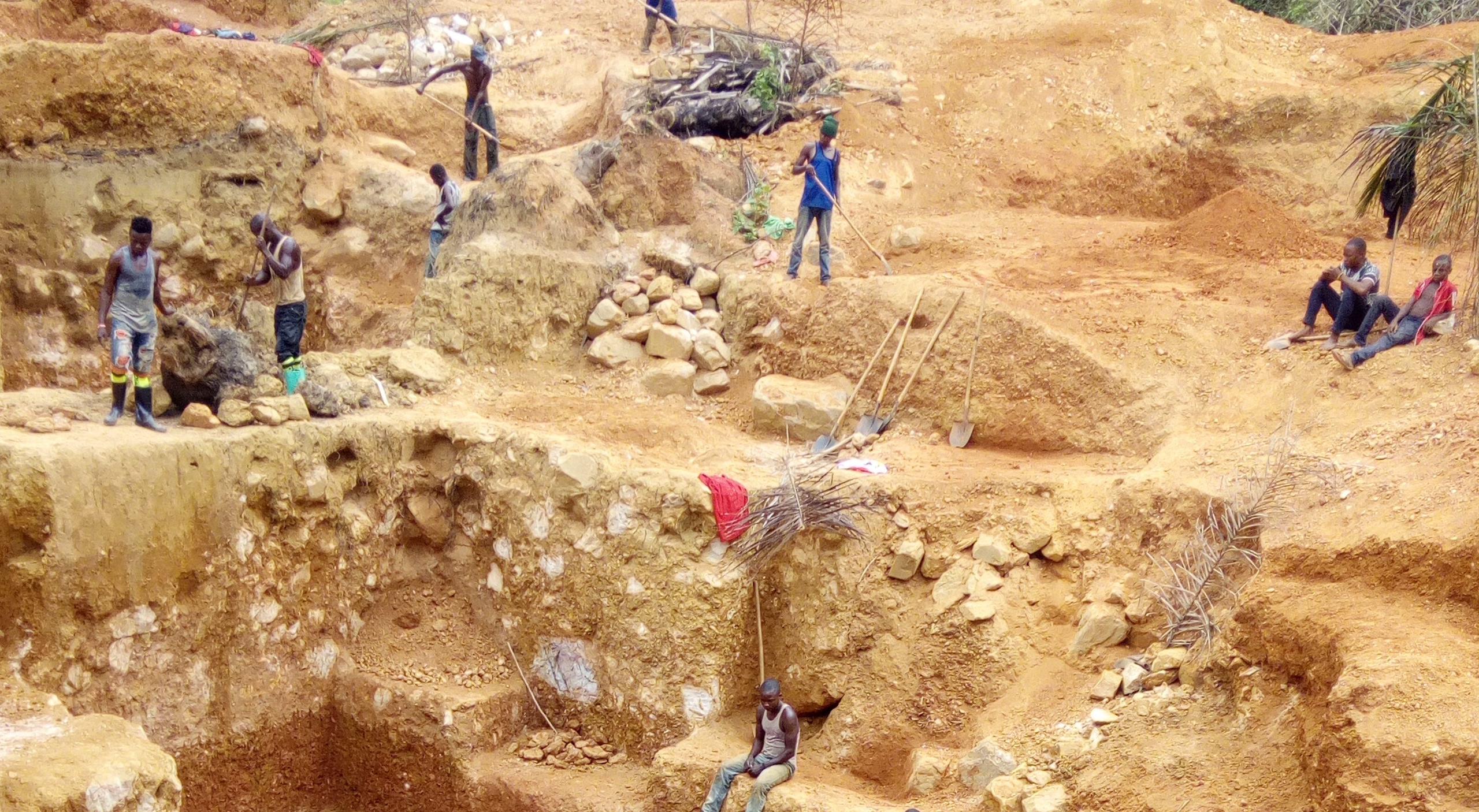
However, critics argue that the directive appears detached from the reality of employment conditions in the mining sector, where the majority of workers are casual or short-term laborers, often hired through subcontractors. Many of these workers lack formal contracts, social security coverage, or basic employment benefits, raising questions about how they could realistically participate in share ownership schemes.
“There is a structural contradiction,” said a labor analyst familiar with the sector. “You cannot meaningfully talk about equity participation when a large share of the workforce does not even have stable employment status.”
The document itself does not specify how the 5% stake should be distributed, who qualifies as a beneficiary, whether subcontracted workers are included, or how disputes would be resolved. Nor does it outline penalties for non-compliance after the moratorium expires, leading some observers to view the move as largely symbolic.
Several industry sources described the directive as a public relations gesture rather than an enforceable reform, noting that similar provisions have existed in Congolese mining law for years with little visible implementation.
“There is no communicated enforcement mechanism, no independent oversight, and no clear implementation roadmap,” said one source in the mining sector. “Without that, this will remain a legal statement on paper.”
The skepticism is amplified by the fact that the letter focuses on documentary compliance — such as shareholder registers and statutes — rather than on labor realities or worker representation structures capable of holding equity on behalf of employees.
While the government has increasingly emphasized local content, beneficiation, and Congolese participation in the extractive sector, analysts warn that equity mandates without labor reform risk reinforcing inequality, benefiting a narrow group of formally employed staff while excluding the majority of workers who remain economically vulnerable.
Unless the government clarifies enforcement, eligibility, and worker protection mechanisms, critics argue the measure is unlikely to translate into tangible gains for Congolese mine workers — and may instead function primarily as a signaling tool aimed at domestic and international audiences.
For now, the July 31 deadline looms, but many in the sector doubt it will mark a meaningful shift in ownership or power dynamics within Congo’s mining industry.