




Transparency International Rwanda Urges Stronger Action Against Sexual Harassment in Health and Education Sectors
By Andrew shyaka
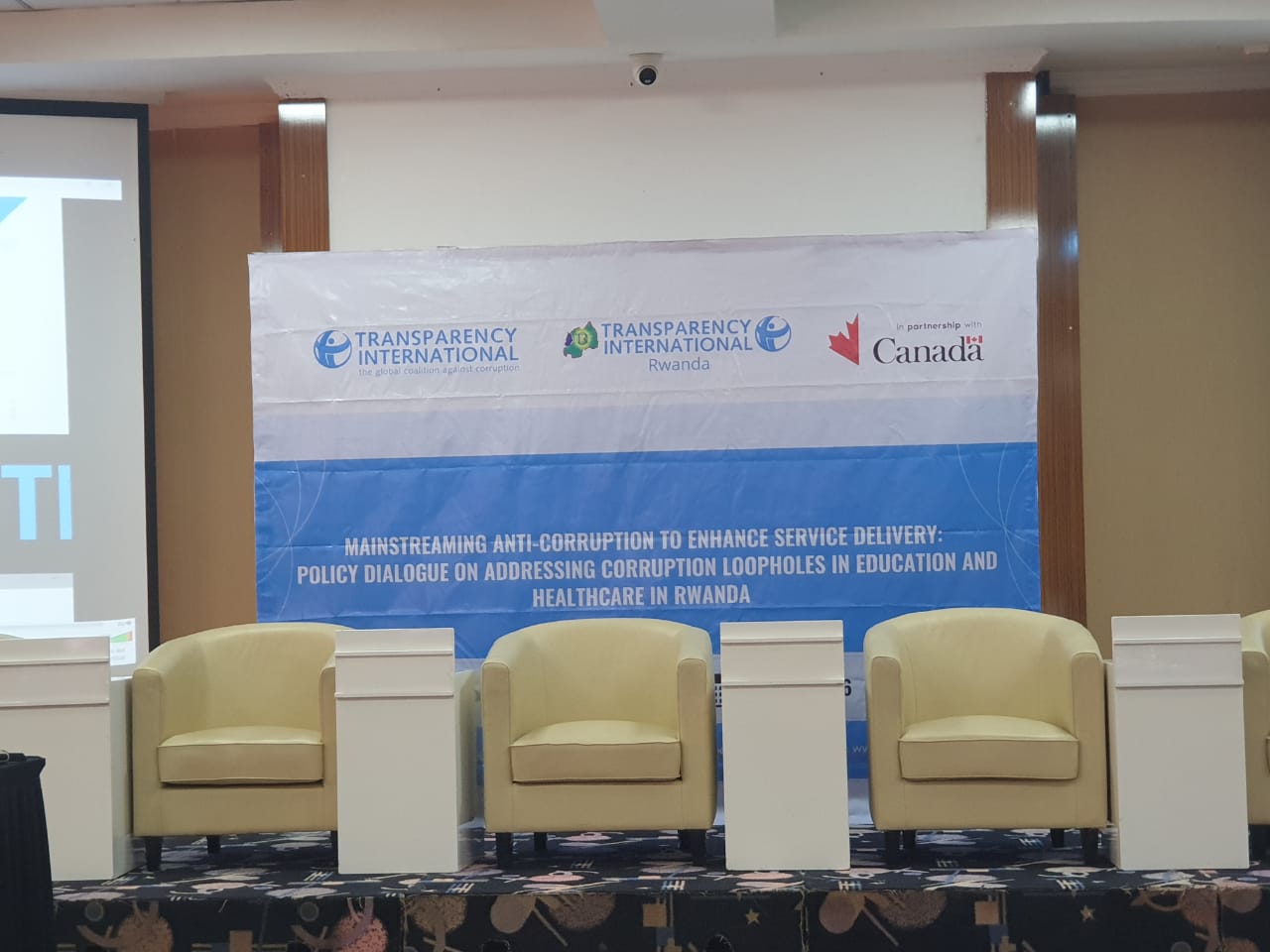
Transparency International Rwanda has called on the Ministry of Health and the Ministry of Education to intensify efforts to combat sexual harassment and gender-based corruption, particularly against vulnerable women.
According to a recent research report by Transparency Rwanda, women with disabilities, low-income earners, students living with stigmatized illnesses, and single or widowed mothers are the most targeted victims of sexual exploitation. The study presents alarming findings: 7.8% of low-income women, 46% of women with mental disabilities, and 10% of women living with stigmatized illnesses reported being targeted for sexual favors.
The research further reveals that power imbalances within public institutions—especially schools and health facilities—expose vulnerable women to abuse, often in exchange for services they are legally entitled to receive.
Government Acknowledges the Problem
Speaking on behalf of the Ministry of Education, Silvia Mbabazi acknowledged the existence of sexual corruption in learning institutions.
“We agree that there are elements of gender-based corruption in education institutions. We are conducting extensive awareness campaigns and promoting anonymous reporting mechanisms in schools. However, sex-based corruption is very secretive in nature, which makes it difficult to detect. That said, government policies are clear, and culprits are punished according to the law,” she said.
Despite these efforts, cases continue to surface, particularly in higher learning institutions, where lecturers and professors are reportedly abusing their authority to demand sexual favors from students.
Victims Speak Out
In a Transparency Rwanda research documentary, one victim—identified as Sonia to protect her identity—shared a disturbing account from Rubavu District. She revealed that many women travel more than 12 kilometers to seek medical treatment, deliberately avoiding a nearby hospital because a professional gynecologist allegedly demands sexual favors from patients.
“Women would rather travel long distances than be harassed. He always asks for sexual favors, and that makes us afraid to go to the nearest hospital,” Sonia said.
Responding to the allegations, Tuganeyezu Oreste, Director of Medical Services at the Ministry of Health (MINISANTE), stated:
“We do not tolerate sexual harassment or favoritism in the ministry. We have had such cases, and the doctor being referred to is already under investigation.”
Sexual Exploitation in Schools
The report also exposes sexual exploitation in Teacher Training Colleges (TTCs) and other higher learning institutions. One student described how refusing sexual advances resulted in academic punishment.
“A lecturer asked me for sexual favors, and I refused. He used his power to reduce my grades, which I had already passed. In the system, it showed that I had failed,” the student revealed.
In some cases, female students are reportedly denied admission, subjected to academic manipulation, or forced to transfer to other institutions after rejecting sexual demands.
Weak Reporting Mechanisms a Major Loophole
Transparency Rwanda attributes the persistence of sexual harassment to weak institutional follow-up mechanisms, inadequate safeguarding policies, and the absence of functional anti-corruption committees in schools.
Civil society organizations have urged both ministries to prioritize safeguarding measures, establish confidential reporting channels, and protect whistleblowers.
“Many victims remain silent because there are no safe and private mechanisms to report sexual predators,” said the Head of Programs at Transparency International Rwanda. “Institutions must move beyond policies on paper and ensure practical systems that protect victims and hold perpetrators accountable.”
Call to Action
Transparency International Rwanda emphasizes that addressing sexual harassment requires coordinated action, stronger institutional accountability, and a survivor-centered approach. Without decisive measures, vulnerable women and students will continue to suffer in silence.
The organization has called on authorities to strengthen monitoring systems, establish functional anti-corruption committees in schools, and ensure that justice is not only promised but delivered.
Andrew shyaka
Transparency International Rwanda Urges Stronger Action Against Sexual Harassment in Health and Education Sectors

Leave a Comment