






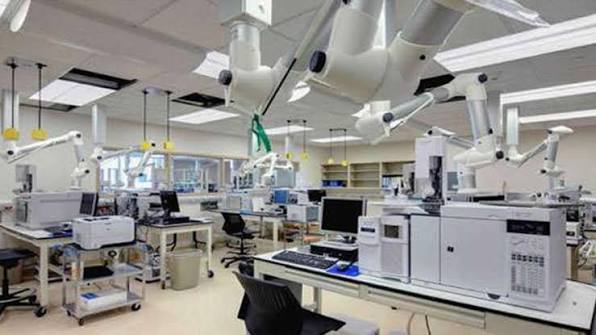
The Rwanda Forensic Institute (RFI) is in the final stages of preparations to introduce prenatal DNA testing for unborn children using advanced Next Generation Sequencing (NGS) technology, its Director General, Lt Col (Rtd) Dr. Charles Karangwa, has announced.
Dr. Karangwa made the disclosure during the official closing ceremony of a week-long training program for journalists, which ran from January 19 to January 23, 2026, at RFI headquarters in Kacyiru, Kigali.
The training aimed to equip journalists with the knowledge and skills needed to accurately gather and report on forensic science and its role in the justice system.
“As we mentioned during last year’s public awareness campaigns, I am pleased to inform you that this technology has now arrived. The training on its use is complete, and we are currently conducting preliminary tests to ensure reliability through what we call method validation,” Dr. Karangwa said.
Pricing Still Under Assessment
Dr. Karangwa explained that the cost of prenatal DNA testing has not yet been determined, as the institute is still assessing all the operational inputs required to deliver the service.
“We have not yet set the price because it depends on many factors. We are still conducting baseline assessments to understand all the requirements, after which we will determine the cost. As you know, Rwandans usually benefit from government subsidies,” he noted.
He added that the pricing model will consider a wide range of factors, including human resources, utilities, laboratory reagents, equipment maintenance, and long-term sustainability.
“We take into account the time involved, water and electricity consumption, staff salaries, chemical reagents, and even profit margins to ensure that when equipment becomes obsolete, we are able to replace it,” he said.
Strengthening Justice Through Science
Beyond the upcoming prenatal DNA testing service, Dr. Karangwa emphasized the significant contribution RFI has made to Rwanda’s justice system and public safety.
“This institution has played a major role in strengthening justice delivery and reducing crime, because people now know that scientific evidence will always come to light, regardless of the circumstances,” he stated.
Wide Range of Forensic Services
The Rwanda Forensic Institute provides a comprehensive range of science-based services that support judicial and law enforcement institutions.
These include DNA analysis for identifying individuals and establishing biological relationships, post-mortem examinations to determine causes of death, forensic ballistics, forensic chemistry and toxicology, document and signature examination, digital forensics involving mobile phones and computers, and fire and explosives analysis.
In addition, RFI offers expert advisory services and professional training on the use of forensic evidence in legal proceedings, all aimed at ensuring that justice in Rwanda is grounded in accurate, credible, and reliable scientific evidence.
The introduction of prenatal DNA testing using NGS technology marks another milestone in Rwanda’s continued investment in cutting-edge forensic science to enhance justice and public trust in the legal system.
By Andrew Shyaka