


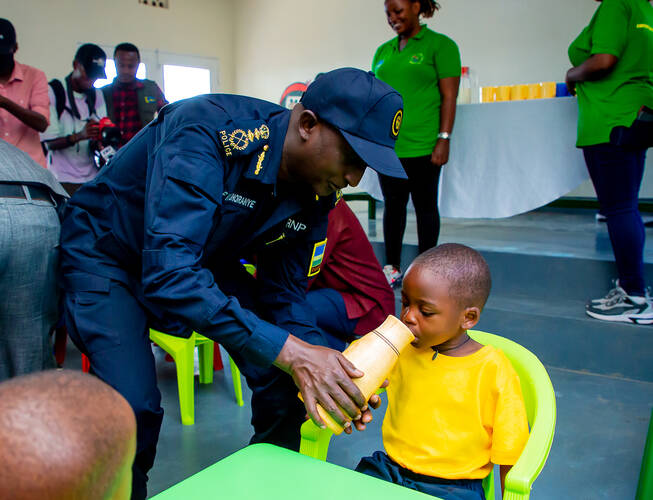
When Inspector General of Rwanda National Police, Felix Namuhoranye, took office, three years ago, I congratulated him and then sent him a detailed note in his first week.
It was not ceremonial.
I listed long-standing concerns to him. I raised concerns of officer conduct in detention centers, human rights issues, detainee conditions, poor police facilities, and the overall culture of the force.
He invited me to discuss these issues. We went through each and every point. He did not argue or defend the claims.
He assured me he would address each point. That was our last extended conversation on policing.
Since then, I have focused on observing the force at the ground level. Over the past three years, I have spoken with junior officers, visited police stations and detention centers, and watched how policing works across the country.
What I have seen is real, steady improvement.
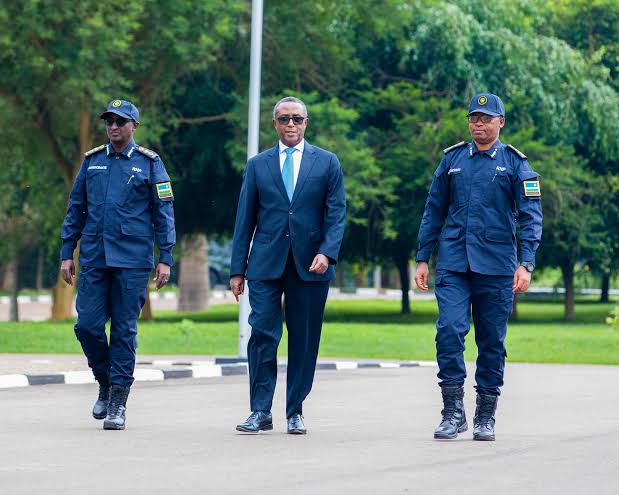
The most visible change is in everyday interactions. Traffic officers are calmer, more respectful, and explain why they stop people. Orders are given clearly, without intimidation. This builds trust and changes how people view the police.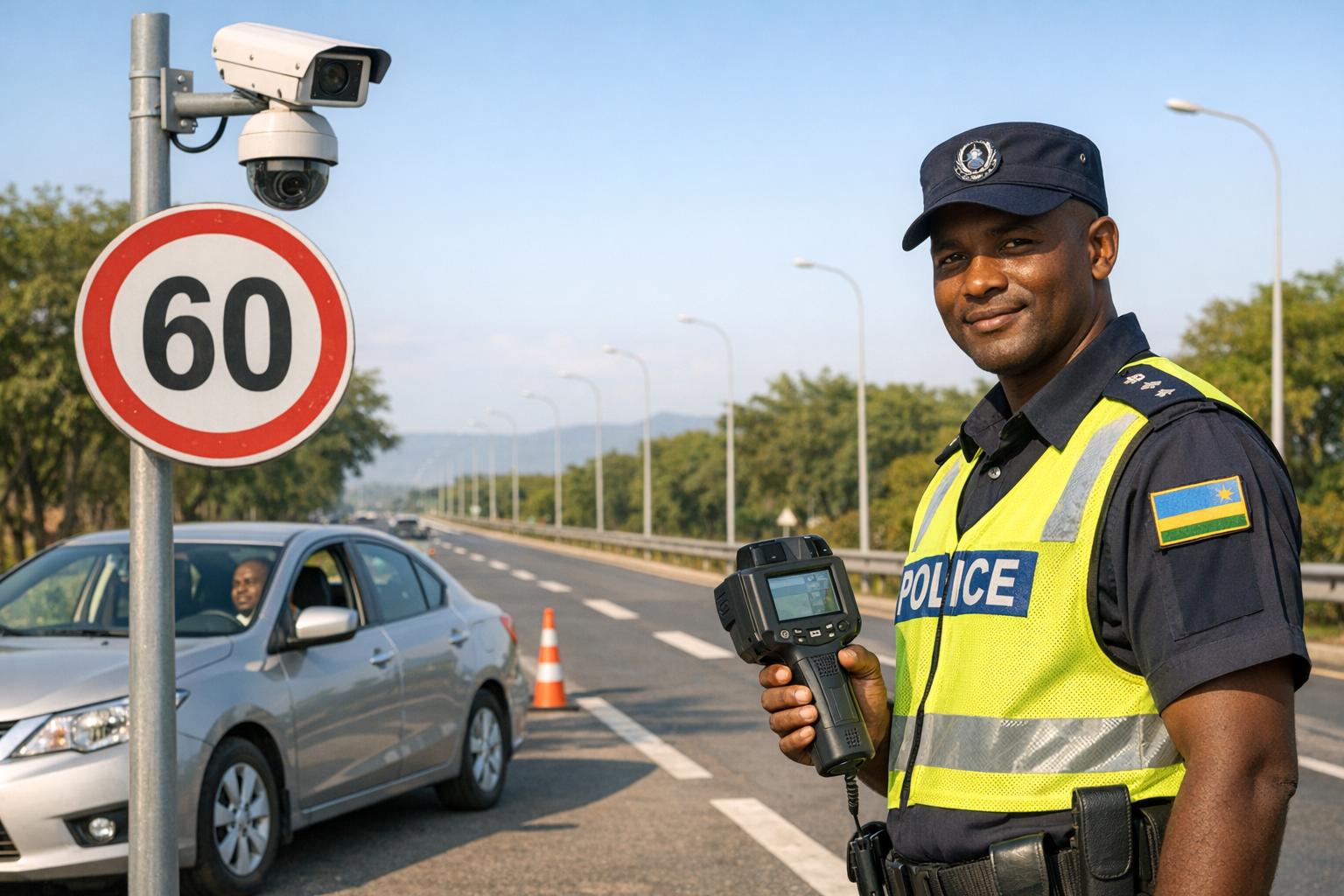
At police stations, complaints are handled more systematically. Detainees are processed with more care. Rights and procedures are explained rather than assumed. Even small things, like cleanliness, organized records, and clear visitor procedures, show that professionalism matters.
Technology has also been used well. Digital records, coordination systems, traffic monitoring, and surveillance tools support work without replacing human judgment. The focus is on efficiency and reliability, not show.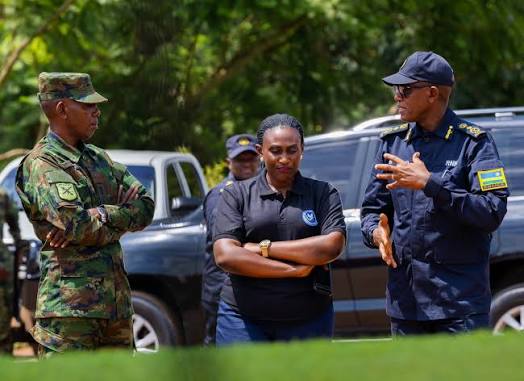
The Rwanda National Police now works closely with other security agencies, including the Rwanda Defence Force (RDF) and the Rwanda Investigation Bureau (RIB). Together, they coordinate on public safety, emergencies, public health, events, and community security. This teamwork ensures the police are effective across all parts of the country.
These changes are not just in Kigali. Rural and provincial police stations are now better organized, staffed, and disciplined. The gap between urban and rural policing has narrowed significantly—a rare achievement in the region.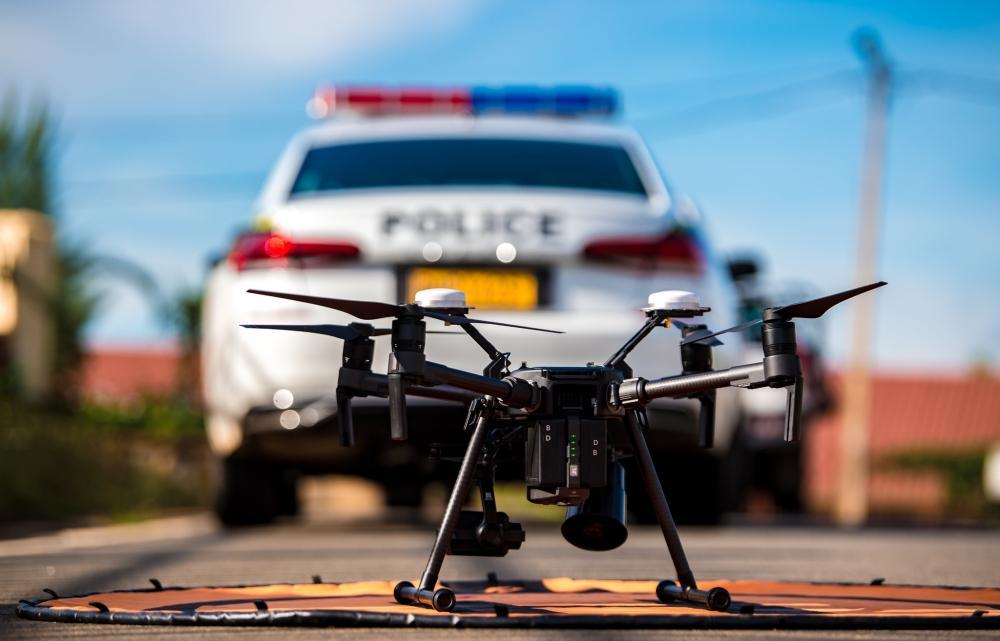
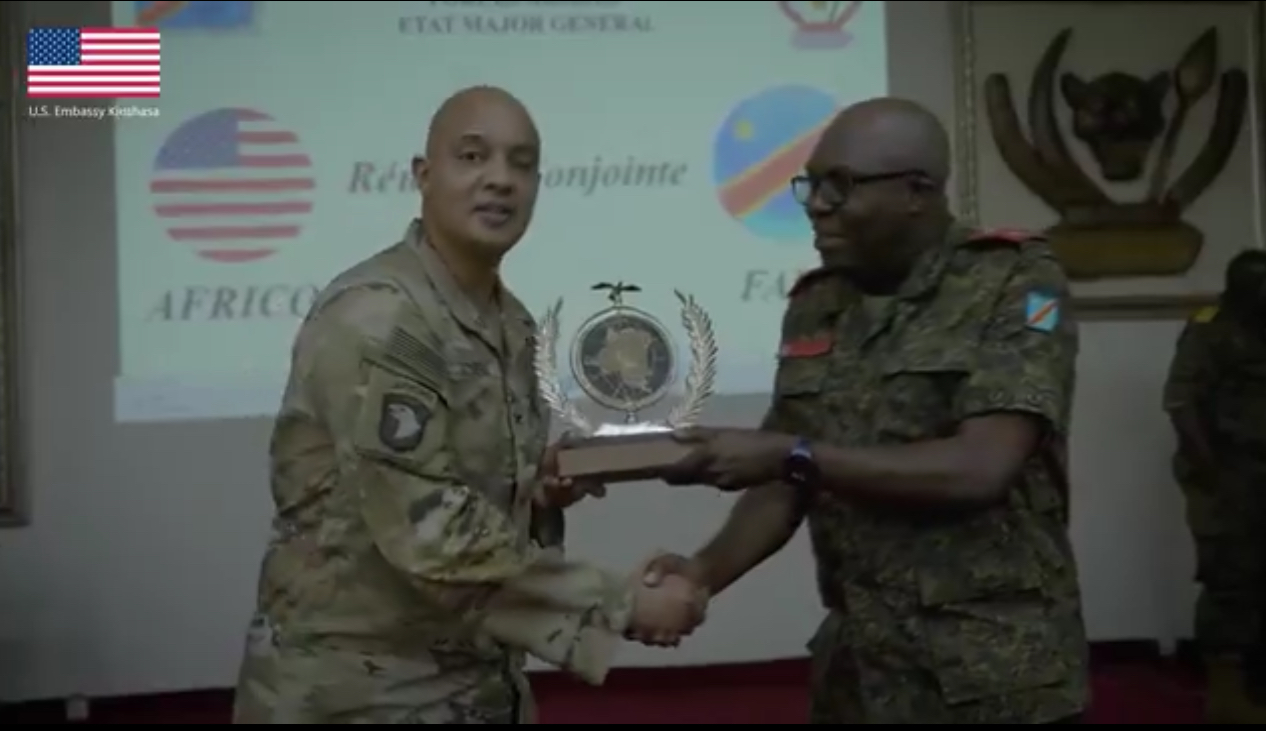
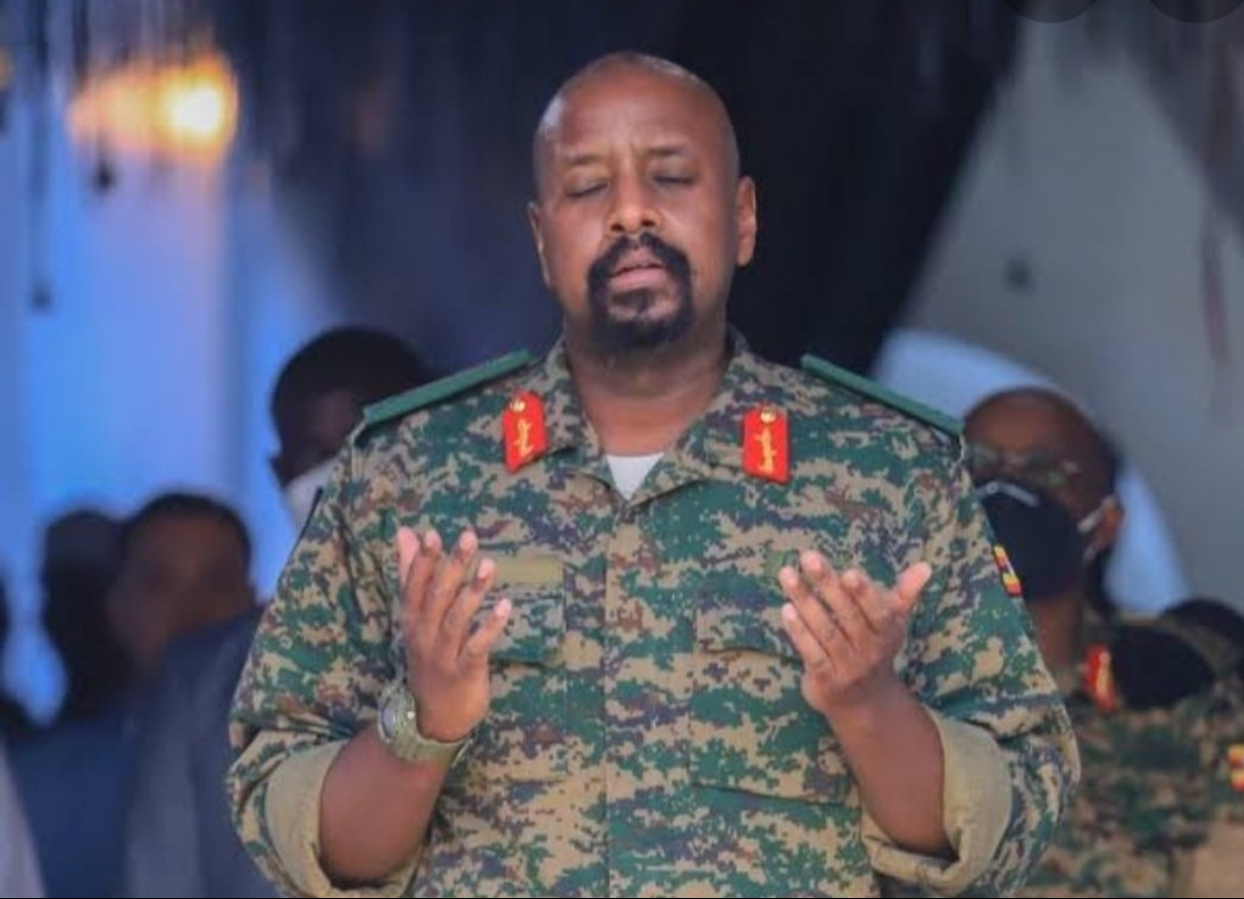
It is also worth comparing with other countries. In some neighboring states, policing remains harsh, militarized, and often abusive.
A recent example in a neighboring country shows police confronting and humiliating armed and deployed soldiers in public. And it happened in the presence of a cabinet minister. Such behavior scares citizens and undermines trust in institutions. We don’t see this in Rwanda. Our officers act professionally, even in high-pressure situations.
The culture of RNP has shifted dramatically. Officers now focus on evidence, due process, and the law, rather than power. Everyday corruption is much lower. This change comes from clear standards and professionalism, not fear.
That said, policing is never perfect.
There are still a few officers who make serious professional mistakes, risking their safety, the public’s, or the reputation of the force. These cases must be addressed, but they now stand out as exceptions, not the rule.
Internationally, the RNP has earned respect through peacekeeping and security cooperation. This strengthens internal standards and contributes to Rwanda’s reputation for safety and order, which reassures investors, diplomats, and citizens alike.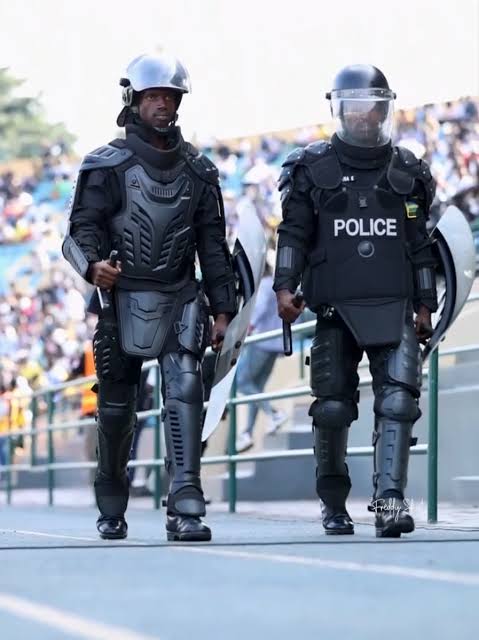
Leadership has been key.
For instance, the IGP’s choice to dress like rank-and-file officers sets a powerful example. You can’t tell the difference between the IGP’s boot and the corporal’s boots. Same. Clean, in good condition and fitting . It reinforces discipline, fairness, and professionalism.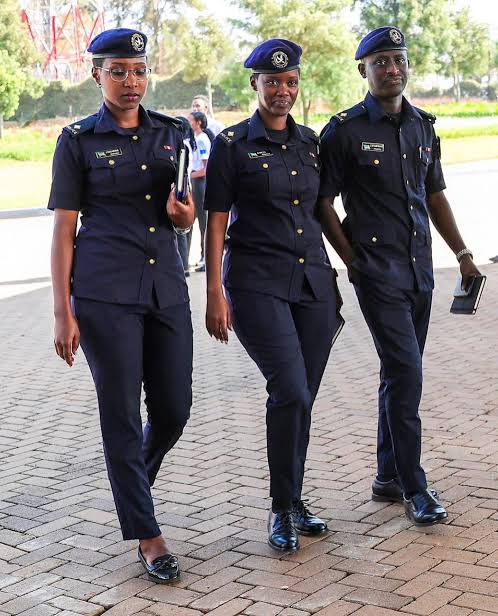
I haven’t spoken with the IGP about my observations but through conversations with dozens of officers on the ground, I see consistency, steadiness, and professionalism. I also feel privileged to contribute in a small way to these reforms through honest engagement and feedback.
Measured by day-to-day performance rather than public statements, I can confidently say, without fear of contradiction, that the Rwanda National Police ranks highly among public institutions.
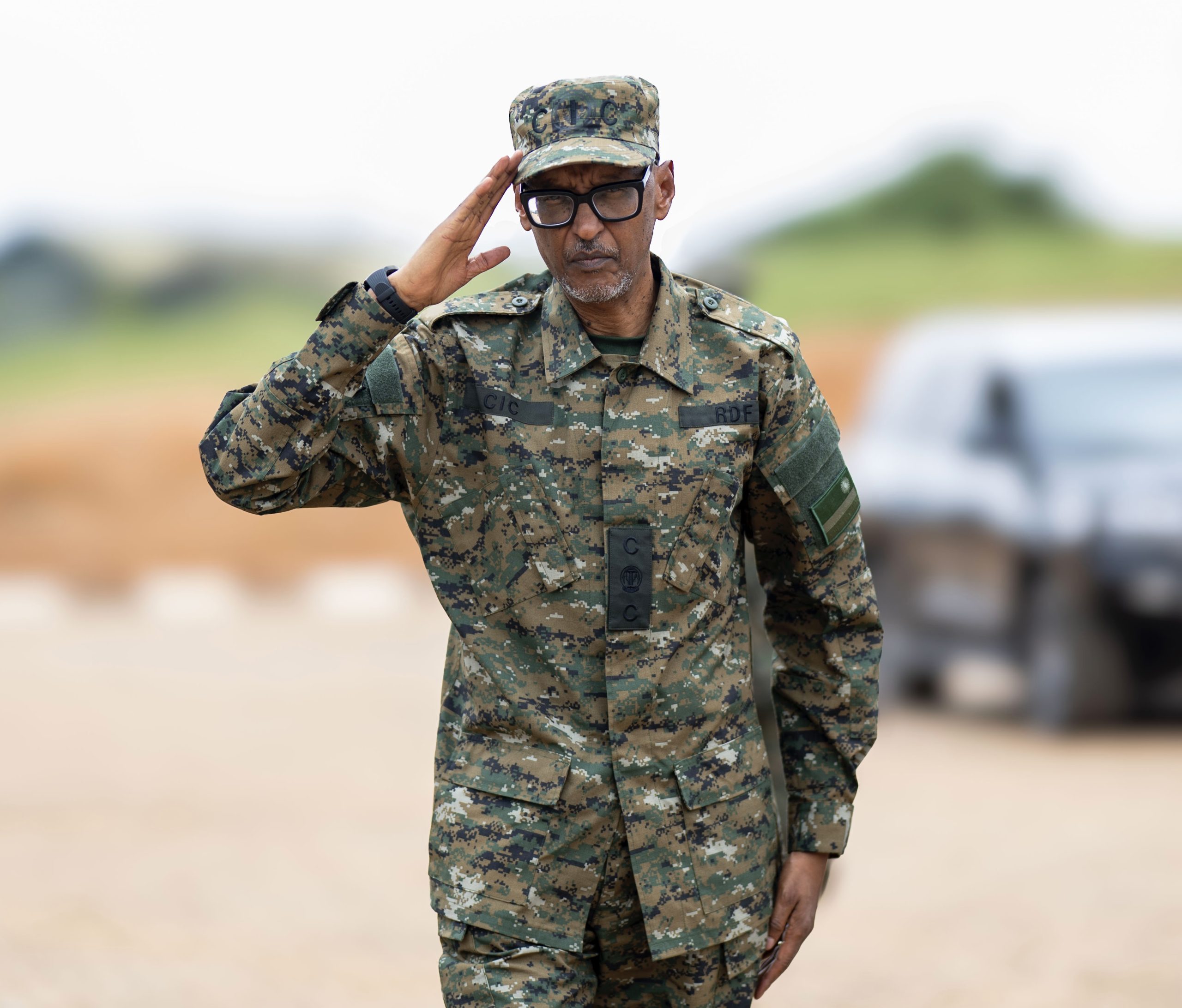
I agree with the President when he recently said that the country’s security agencies now operate at the level he hoped for.
Not perfect, but improving. In terms of governance and security, that matters.
Next time I will come back here I will tell you about the benefits of our officers. I had discussed this with former IGP. I haven’t discussed it with CG Namuhoranye.
Overall, praise is deserved when it is earned. So far so good!