




For two days, Rwanda’s National Institute of Statistics (NISR) hosted the annual national conference on Early Childhood Development (ECD), bringing together stakeholders from across the education, child welfare and social protection sectors.
Participants acknowledged notable progress in expanding ECD services nationwide, while also agreeing that significant gaps remain, particularly for children in hard-to-reach and high-risk work environments.
Data presented at the conference showed that Rwanda now has 32,205 early childhood development centres employing 101,809 caregivers.
More than 80 percent of the children enrolled in these centres are under the age of six. Attendance has risen sharply over the past five years, from just over 297,000 children in 2020 to about 1.1 million in 2025, reflecting the government’s sustained push to improve early learning and care.
However, questions were raised about access to ECD services for children of women working in non-traditional and labour-intensive sectors, particularly artisanal and small-scale mining.
With women increasingly participating in mineral extraction, concerns persist over how their children access the same services available to children in more conventional work settings, and whether ECD centres can realistically be established near mining sites.
Taarifa Rwanda spoke to the leadership of the Rwanda Extractive Industry Workers Union (REWU), which advocates for the rights and welfare of mine workers.
The union confirmed that ECD centres do exist in some mining areas, although their number remains very limited compared to the scale of the sector.
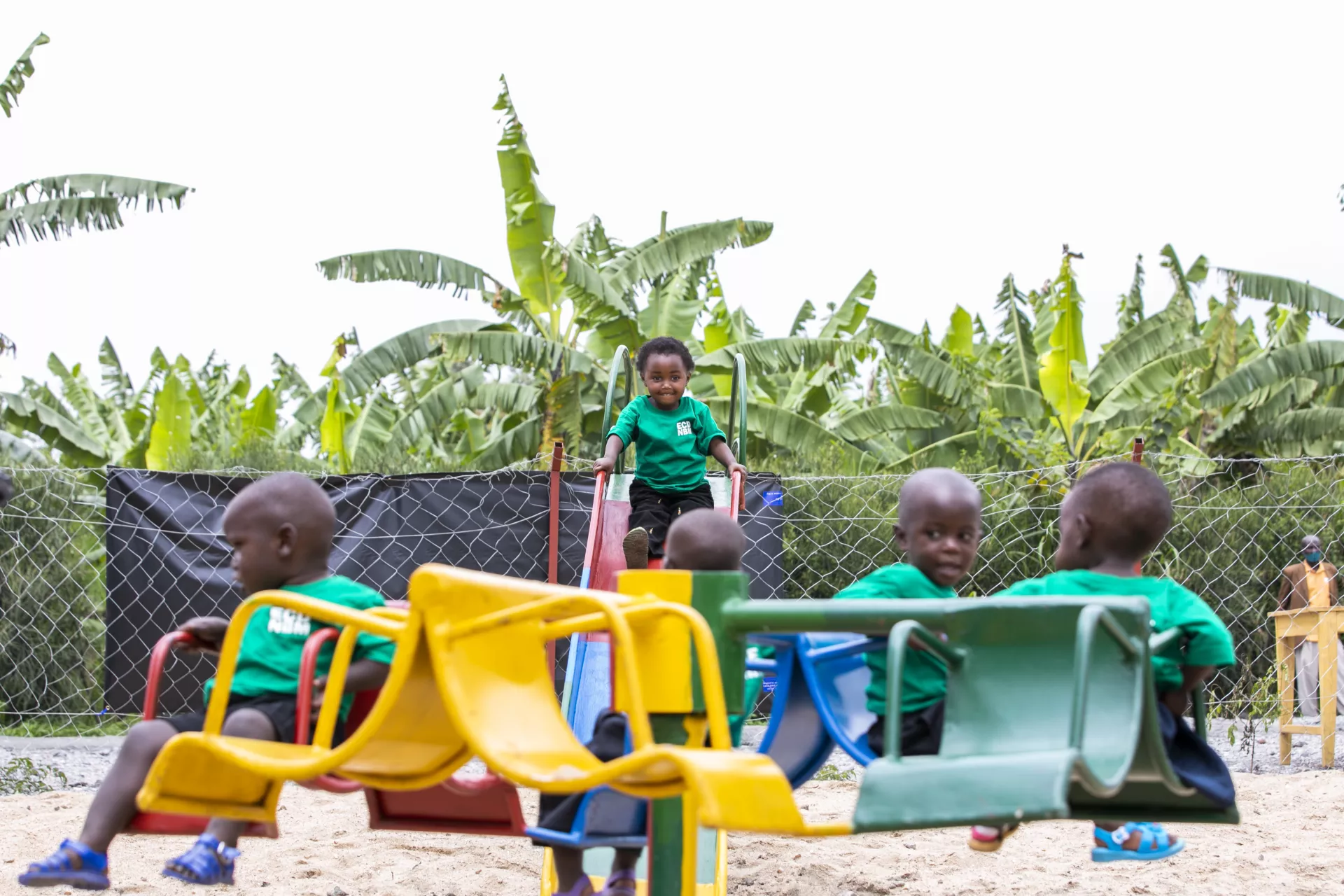
According to REWU president André Mutsindashyaka, as of early 2026, there are four fully operational ECD centres serving mining communities, with three additional centres under construction and expected to be completed by March 2026.
The existing centres are located at NBM in Cyanika, Burera District, near the Uganda border, WMP Gifurwe in Burera, Trinity Metals Rutongo in Rulindo, and CEMINYAKI in Rubavu.
These four companies are currently the only licensed mining operators providing structured early childhood services, despite Rwanda having more than 200 legally operating mining companies.
Mutsindashyaka noted that children enrolled in these centres receive services aligned with national standards set by the National Child Development Agency, including nutrition, healthcare, hygiene, early learning, safety, and protection from abuse, as well as preparation for primary education through early cognitive stimulation.
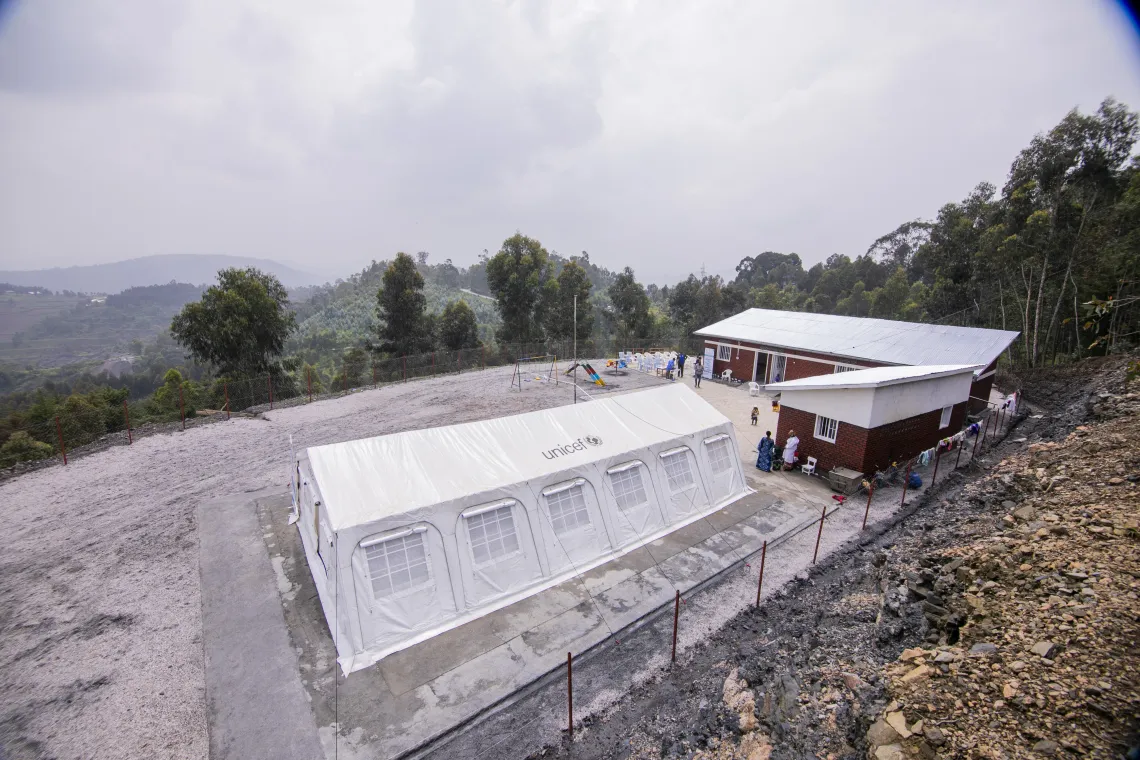
Women comprise approximately 11.4 per cent of the mining workforce. Mutsindashyaka explained that the idea of establishing ECD centres within mining areas emerged from a partnership involving REWU, the National Child Development Agency, the Rwanda Mining Board and UNICEF.
The initiative was also intended to address the widespread problem of children being withdrawn from school to care for younger siblings while their mothers worked in the mines.
Before these centres were introduced, many women faced the dilemma of leaving infants unattended or pulling older children, often girls, out of school to provide childcare.
This created a cycle of shared loss, affecting the infant deprived of maternal care, the sibling forced to abandon schooling, and the working mother unable to balance employment and childcare responsibilities.
The introduction of ECD services in mining areas has helped ensure that children receive comprehensive care while their mothers work. Yet despite this progress, significant challenges remain.
Mutsindashyaka pointed to inconsistent commitment from stakeholders as a major obstacle, warning that gains already made risk stagnation or reversal without sustained support.
He noted that providing food for children and incentives for caregivers remains difficult, limiting the ability to scale up the programme to more mining sites.
REWU is calling for increased support from the Ministry of Gender and Family Promotion, particularly in the form of funding and continuous training to strengthen service delivery.
The union also urges mine owners to invest directly in building ECD centres and setting aside dedicated budgets for children’s needs.
Closing the two-day conference, the Permanent Secretary at the Ministry of Gender and Family Promotion, Mireille Batamuliza, stressed that responsibility for early childhood development rests with everyone and must be guided by the principle of leaving no child behind. She called for innovation and collective action to ensure that ECD services, including those in challenging environments such as mining areas, deliver meaningful benefits to all children.
Batamuliza emphasised that, regardless of institutional roles, stakeholders are ultimately serving the same child. She reiterated that collaboration and shared responsibility are essential to sustaining the gains Rwanda has made in early childhood development.
The surge in ECD enrolment from just under 300,000 children in 2020 to 1.1 million in 2025 underscores Rwanda’s commitment to early childhood care.
The challenge now, stakeholders agreed, is to ensure that this progress reaches every child, including those growing up on the margins of the country’s fastest-growing industries.