





As Rwanda intensifies efforts to modernize agriculture and secure long-term food resilience, attention is increasingly turning to the quality of inputs that underpin farm productivity.
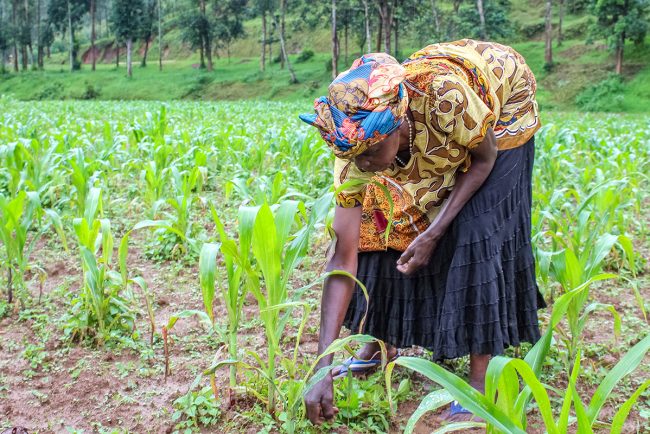
At the heart of this push is the seed sector, widely regarded as the foundation of agricultural growth, farmer incomes, and national food security.
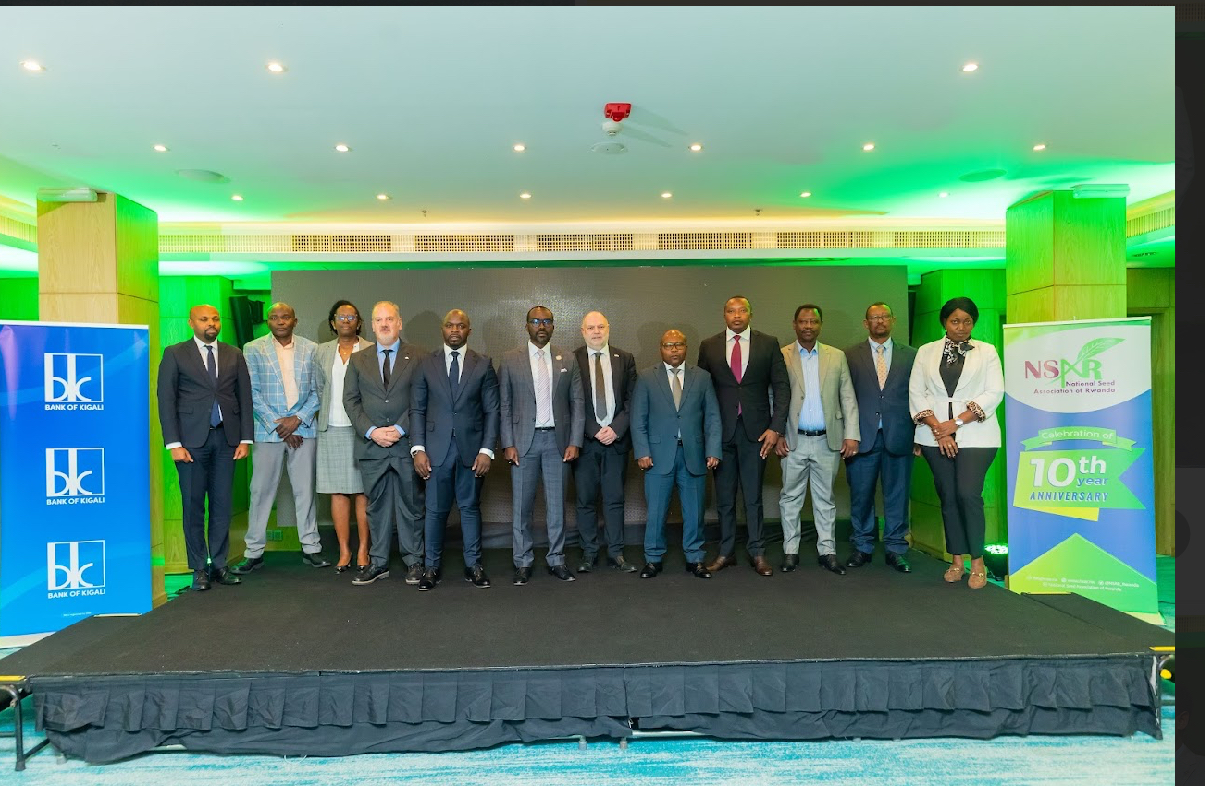
Against this backdrop, Rwanda has launched the Private Seed Sector’s Joint Memoranda of Understanding (MoUs) and Implementation Plan under the Private Sector Strategic Roadmap (2023–2030), marking a significant step toward building a more reliable, competitive, and investment-ready seed system.
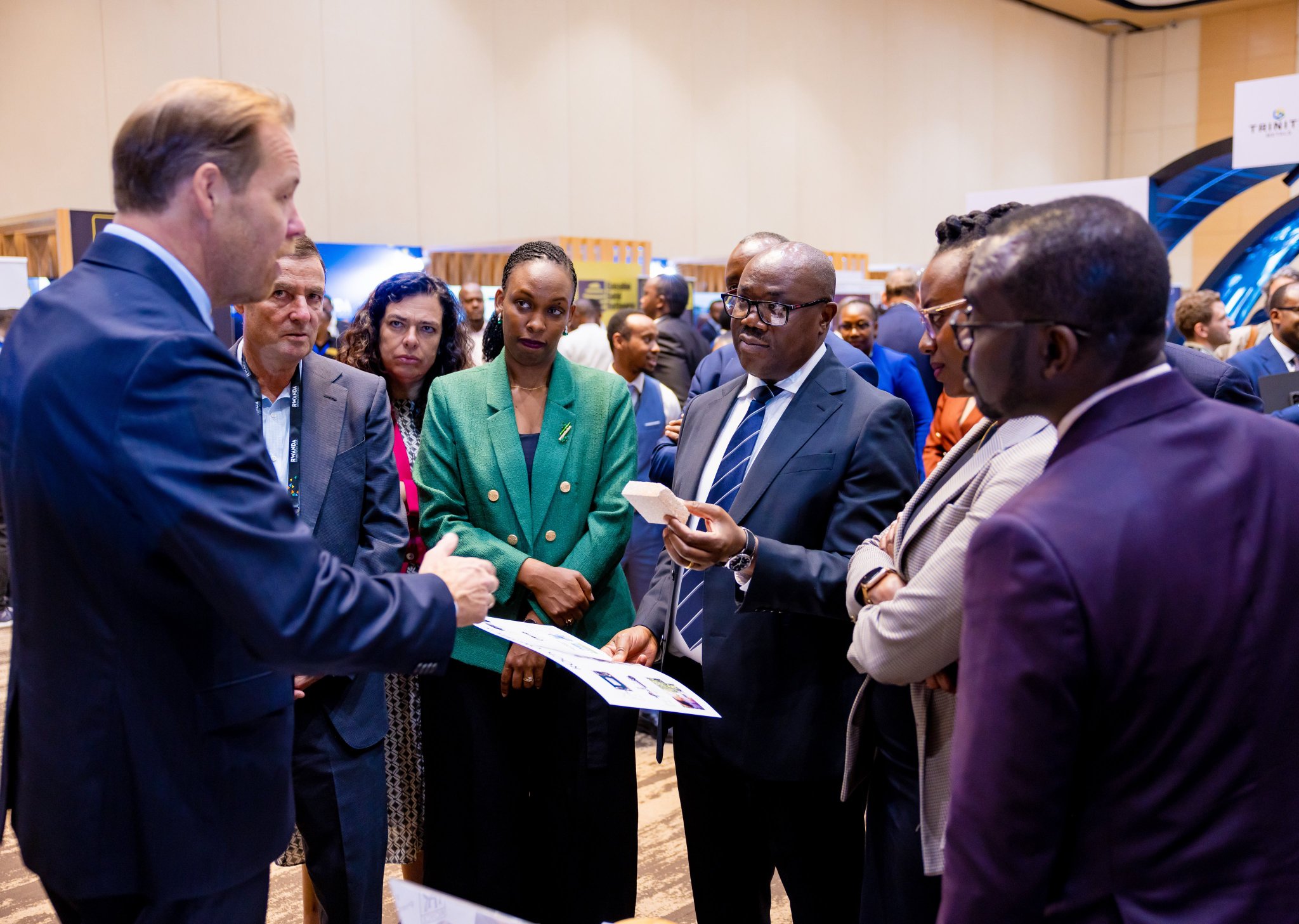
The launch brought together senior government officials, private seed companies, financial institutions, and development partners, reflecting a shared recognition that transforming the seed sector requires coordinated action across the entire value chain.
Speaking at the event, the Minister of Agriculture and Animal Resources, Dr. Telesphore Ndabamenye, emphasized that agricultural transformation begins with seed quality and availability.
“Seeds are the foundation of agricultural productivity, food security, and resilience. Their quality, availability, and accessibility directly determine farmers’ yields, incomes, and livelihoods,” he said.
Developed under the leadership of the National Seed Association of Rwanda (NSAR), the Joint MoUs signal a shift from policy formulation to practical implementation.
The agreements are fully aligned with the Fifth Strategic Plan for Agriculture Transformation (PSTA 5), the National Strategy for Transformation (NST2), and Vision 2050.
Their objectives include strengthening coordination across the seed value chain, guiding investment decisions, and improving the quality, availability, and traceability of seed across the country.
NSAR Chairperson Innocent Namuhoranye described the MoUs as a unifying framework for a sector that has often operated in silos.
“These agreements bring together government institutions, private seed companies, regulators, financial institutions, and international partners around a shared commitment to build a credible, investable, and farmer-centered seed system that delivers results,” he said.
Among the key outcomes outlined in the MoUs are strengthened seed testing, certification, and traceability through partnerships with international bodies such as the International Seed Testing Association (ISTA) and the Organisation for Economic Co-operation and Development (OECD).
The agreements also seek to enhance regulation and industry self-governance to curb counterfeit seed, a persistent challenge for farmers.
Access to finance is another central pillar of the reform agenda. Through collaboration with Bank of Kigali, the Development Bank of Rwanda (BRD), and the Rwanda Social Security Board’s Ejo Heza long-term savings scheme, seed companies are expected to gain improved access to tailored financial products.
Bank of Kigali Chief Executive Officer Dr. Diane Karusisi highlighted the broader economic implications of a trusted seed system.
“Quality assurance is the currency of trust in the seed industry. We want to boost exports beyond USD 1.5 billion as a country and, of course, create more jobs for youth and women,” she said.
Beyond improving seed quality and availability, the Joint MoUs are expected to attract new investment, accelerate innovation, and promote the development and adoption of climate-resilient seed varieties.
These advances are seen as critical to strengthening food security and building resilient rural livelihoods in the face of climate variability.
As NSAR marks its 10th anniversary, the launch of the Joint MoUs underscores the growing maturity and global integration of Rwanda’s seed industry.
With partnerships now formalized and implementation underway, the country’s ambition to transform its seed sector is moving decisively from vision to action.