



Rwanda has said efforts to ease tensions with Burundi are being undermined by continued Burundian military deployment in eastern Democratic Republic of the Congo and by what it described as unhelpful political rhetoric from Bujumbura.
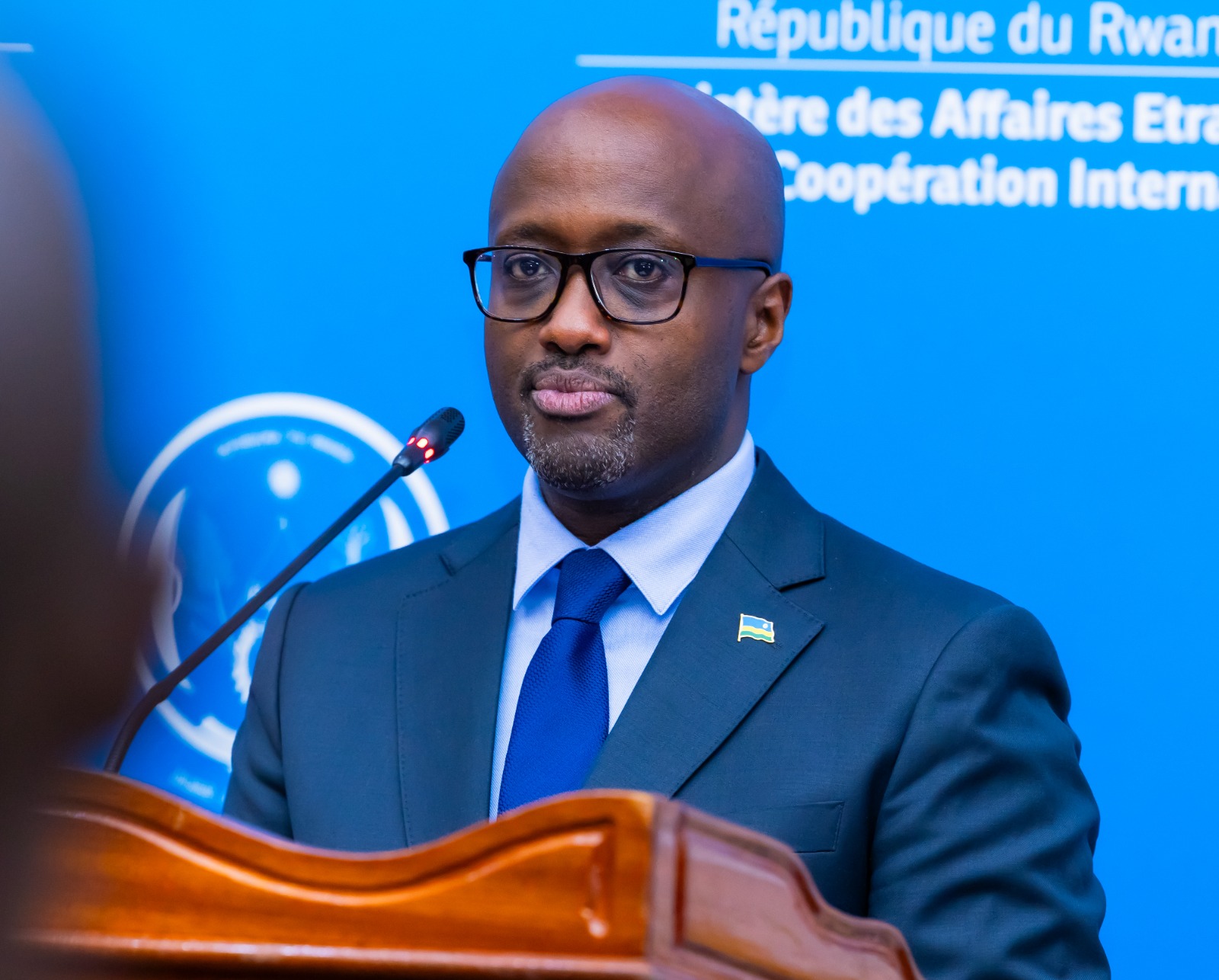
Speaking in an interview with Jeune Afrique, Rwanda’s Minister of Foreign Affairs and International Cooperation, Olivier Nduhungirehe, said Burundian troops remain stationed in eastern Congo, despite ongoing regional tensions.
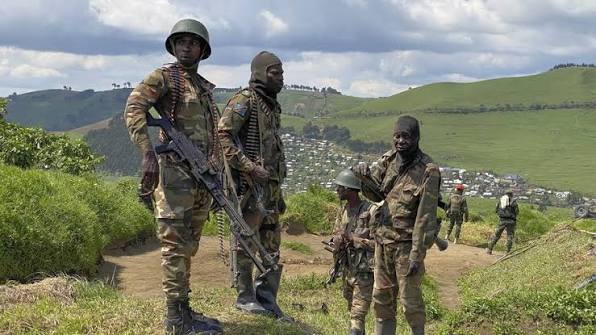
He said the Burundian government has acknowledged the presence of its forces, which he estimated at more than 20,000 soldiers deployed mainly in South Kivu.
According to Nduhungirehe, the deployment has had serious consequences for local communities, particularly the Banyamulenge population in Minembwe and surrounding areas.
He accused Burundian forces of enforcing what he described as an ethnic blockade, in a broader environment marked by hate speech and rising insecurity.
The Rwandan minister said Kigali has nevertheless sought to prevent further escalation between the two countries. Following the capture of the Congolese town of Uvira by the M23 movement on 10 December 2025, Rwandan and Burundian security officials held meetings at the shared border on 14 and 28 December to discuss confidence-building measures and de-escalation mechanisms.
“These contacts were aimed at calming tensions and avoiding further deterioration,” Nduhungirehe said, adding that Rwanda’s long-standing objective has been to maintain stable and peaceful relations with Burundi.
However, he warned that recent public statements by Burundian President Évariste Ndayishimiye and Burundi’s foreign minister have complicated those efforts.
He said such rhetoric risks inflaming tensions at a time when restraint and dialogue are needed to prevent the conflict in eastern Congo from spreading further across borders.
Burundi is one of several regional actors with forces operating in eastern Congo, alongside Congolese government troops and armed groups.
Analysts say the overlapping military deployments highlight the regional nature of the conflict and the fragility of relations among countries in the Great Lakes region.
As fighting continues in eastern Congo, Rwanda maintains that reducing regional involvement and improving political dialogue among neighbours will be critical to preventing a wider confrontation.