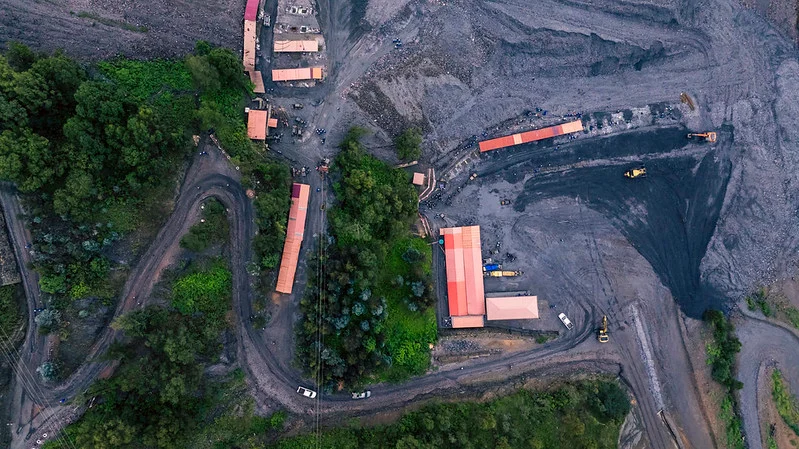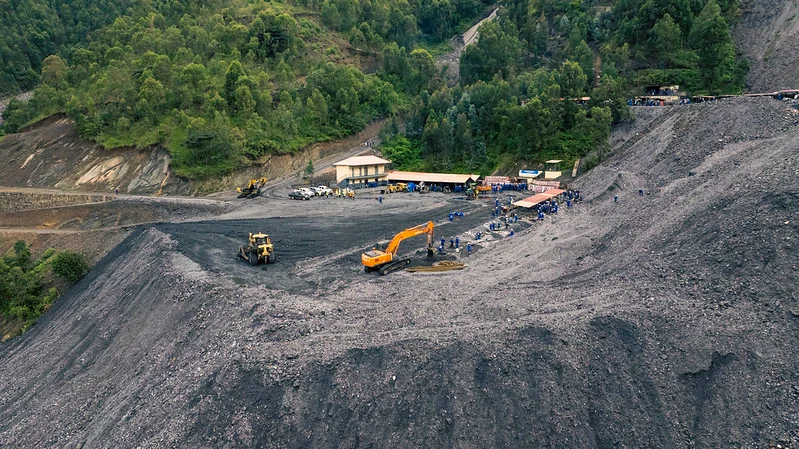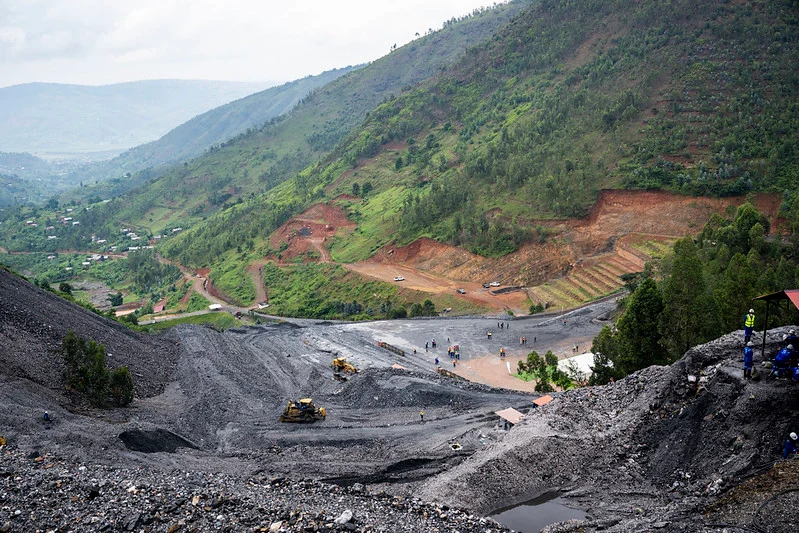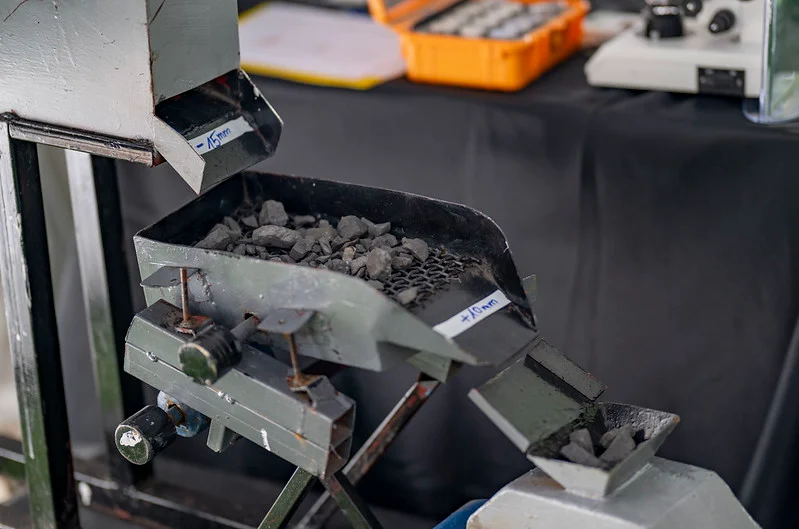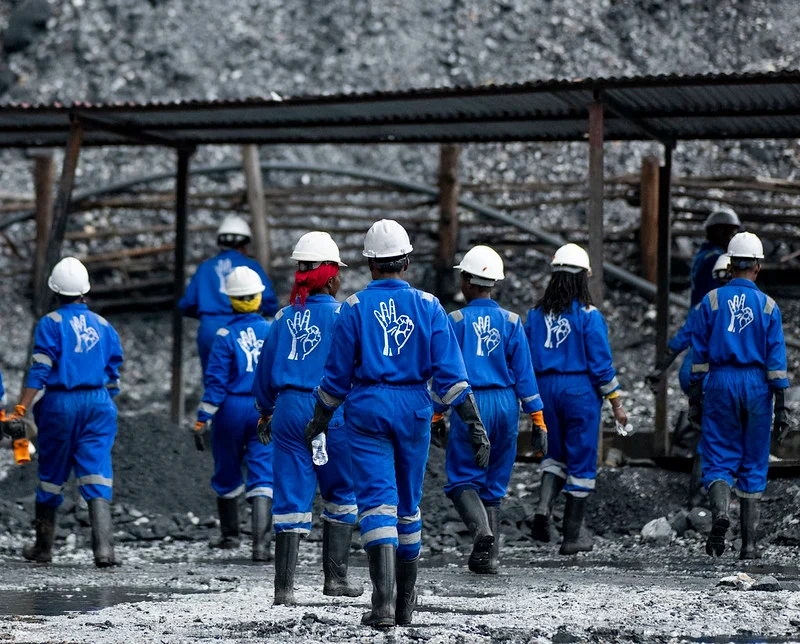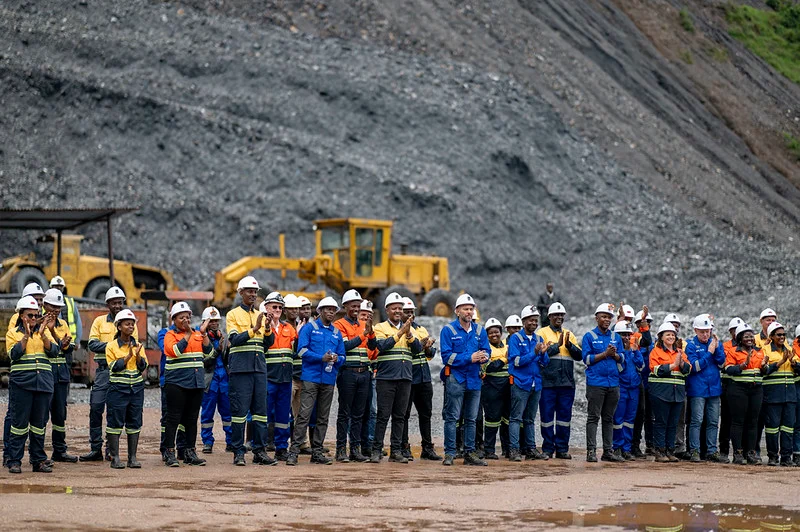






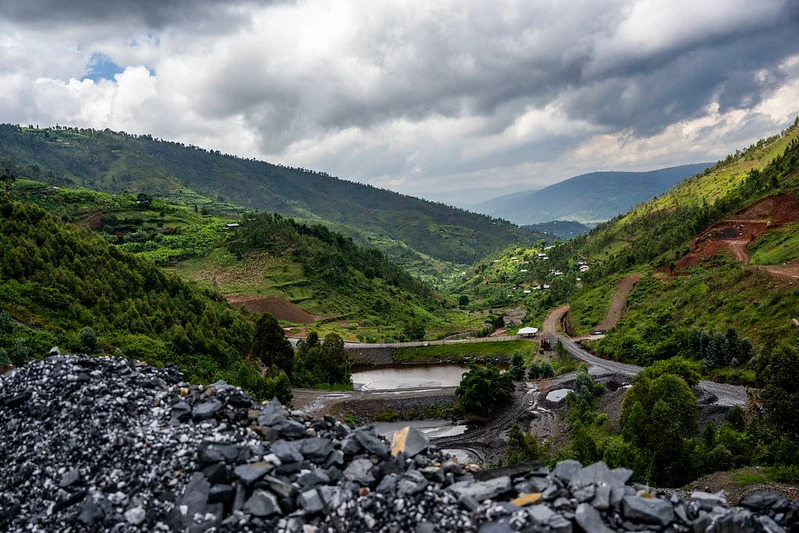
Rwanda has reached a strategic milestone in its mining and industrial development after Trinity Metals Group significantly expanded tungsten production at the Nyakabingo mine, formally positioning the country within the United States Army and broader U.S. defense supply chain, Kigali Today reports.
Since Trinity Metals Group began mining and processing operations at Nyakabingo in 2022, output has increased threefold, with annual production now exceeding 1,200 tonnes of high-grade tungsten concentrate.
The growth reflects sustained investment, operational scaling, and Rwanda’s strengthening regulatory and mining infrastructure.
Through TechMet, the Dublin-based investment firm, and with the participation of the U.S. International Development Finance Corporation, tungsten from Nyakabingo began exports in September last year to Global Tungsten and Powders, a Pennsylvania-based company that supplies materials used by the U.S. Army and the wider American defense industry. The shipments are governed by a long-term supply agreement.
Trinity Metals Group Chief Executive Officer Shawn McKormick told the Financial Times that Rwanda has “now entered directly into contributing to the supply chain of materials for the United States Army,” highlighting the country’s growing role in the sourcing of critical defense inputs.
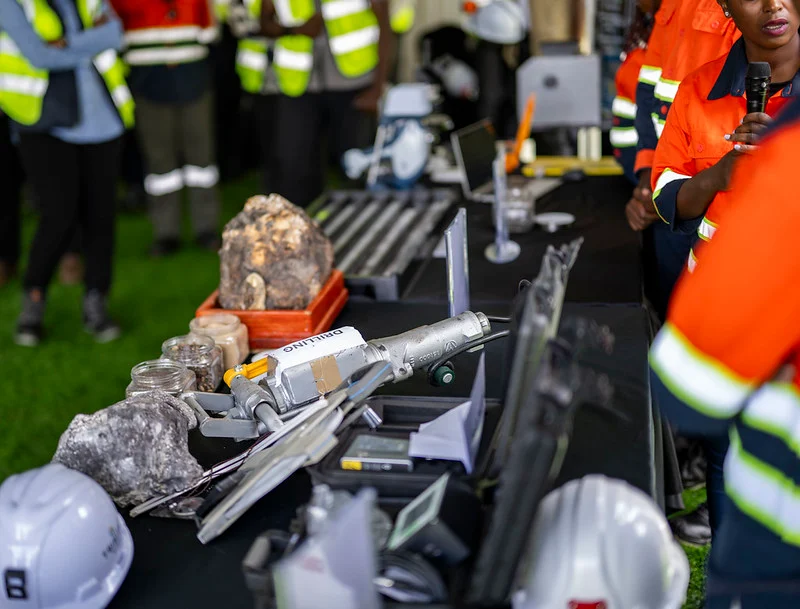
Tungsten is a strategic mineral essential to the U.S. military-industrial complex. It is used in the manufacture of aircraft and missile systems, armor-piercing ammunition capable of penetrating bullet-proof materials, and radiation-shielding equipment.
Beyond defense, tungsten is also widely used in medical technology, high-precision manufacturing, computing, and industrial tooling due to its exceptional strength and heat resistance.
According to Kigali Today, U.S. sourcing of tungsten from Rwanda is taking place against the backdrop of Washington’s efforts to reduce strategic dependence on China, which currently controls an estimated 80 percent of the global tungsten market.
Rwanda’s entry provides the U.S. Army and its suppliers with an alternative, reliable, and traceable source.
On compliance and governance, Trinity Metals Group says it applies strict traceability and due-diligence systems, tracking each consignment of minerals from the mine through to the final buyer.
The company says it does not purchase minerals from illegal operators, a position it says directly addresses long-standing allegations that Rwanda exports minerals illicitly sourced from the Democratic Republic of Congo (DRC).
The Rwandan government has consistently rejected these allegations, arguing they stem from persistent insecurity in eastern DRC and systemic corruption within that country’s mining sector.
Rwandan officials maintain that those raising such claims are free to visit Rwanda’s mining sites and independently verify production.
The Rwanda Mines, Petroleum and Gas Board (RMB) says Rwanda has made substantial investments in both modern mining operations and regulatory oversight, strengthening transparency and international compliance across the sector.
From a commercial and regulatory standpoint, U.S. Army-linked procurement is considered highly significant.
The United States applies some of the world’s strictest legal and compliance requirements on mineral origin and traceability.
Acceptance of Rwandan tungsten into U.S. military supply chains is therefore viewed as strong validation that the minerals are verifiably of Rwandan origin.
Looking ahead, Trinity Metals Group has indicated it requires approximately US$60 million to construct a tungsten processing plant.
The planned facility aligns with Rwanda’s national strategy to move up the value chain and establish itself as a regional hub for mineral beneficiation.
The development coincides with broader U.S.-led diplomatic and economic initiatives aimed at promoting sustainable peace and economic integration between Rwanda and the DRC.
As part of these efforts, the United States has included economic cooperation and large-scale investment commitments—valued in the billions of dollars—designed to formalize cross-border mineral trade and build confidence in regulated, transparent supply chains.
All images by Kigali Today.