





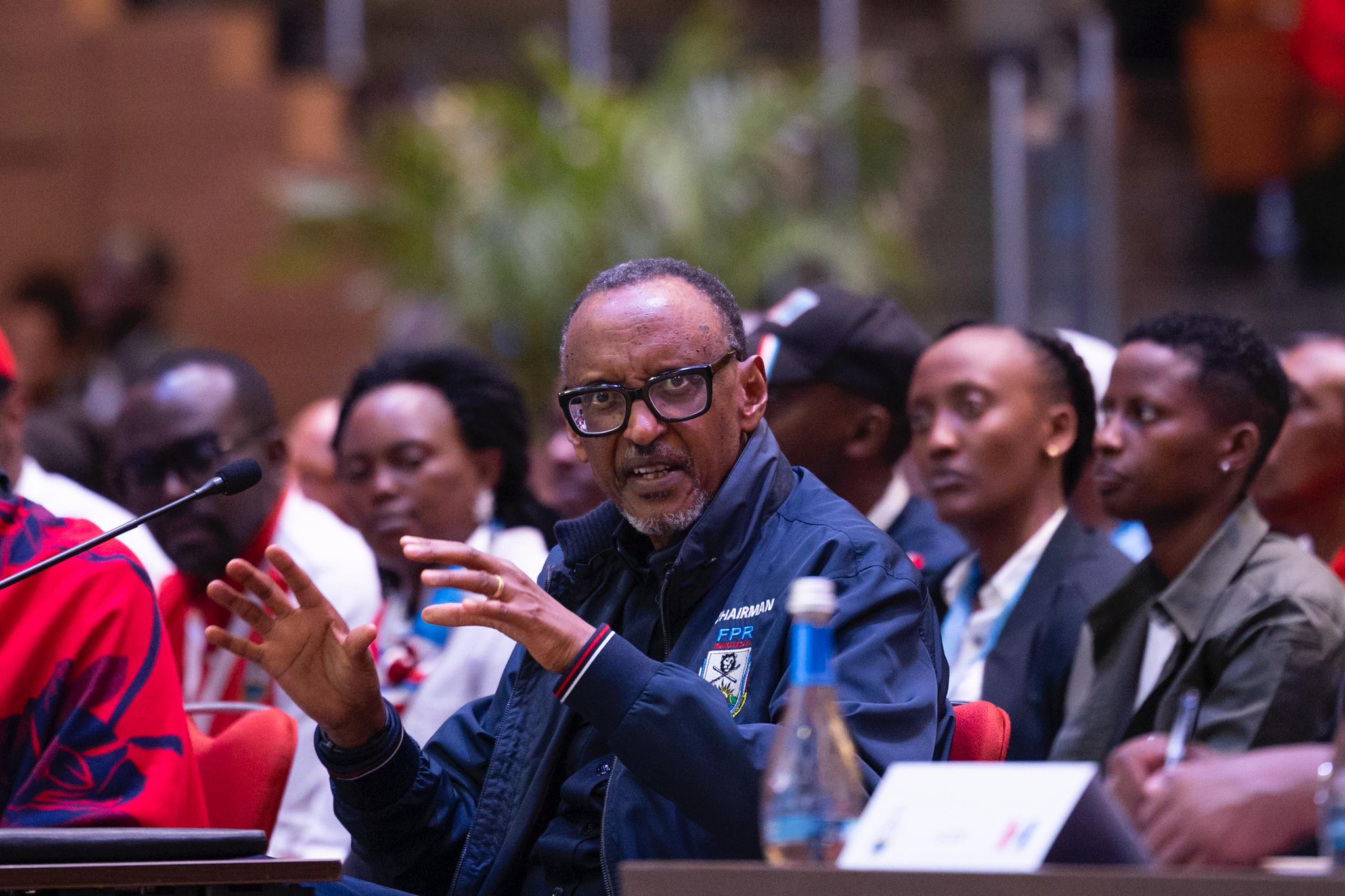
In homes and casual settings, there is a quiet conversation going on. RPF carders are asking: “What really happened? Why was there a shake-up in leadership, yet the team had barely served two years?”
Did you all see? There was no grand announcement. No long explanations. Yet for those paying attention, the answer was already visible; it was written on the wall, subtle but unmistakable. You can call it dynamism if you want.
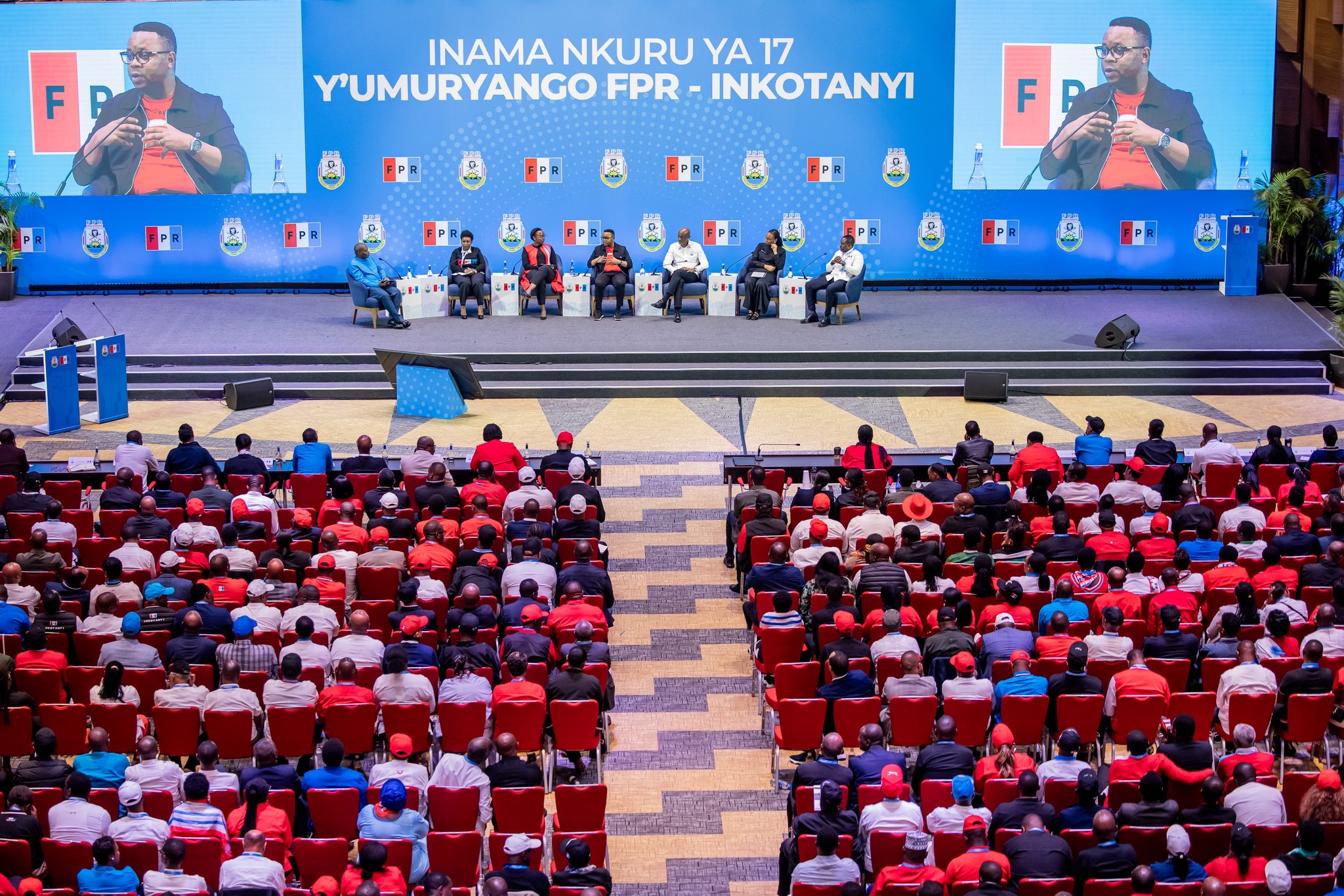
The 17th RPF Inkotanyi Congress revealed a party that acts deliberately, rather than waiting for problems to force it to. The changes were orderly, anticipatory, and carefully managed.
There was no crisis, no infighting, and no disruption. And work has continued seamlessly. Structures held. Life moved on. In a world where even dominant parties often stumble during leadership transitions, this is significant. It’s mind-boggling. The transition was so smooth.
I have long been obsessed with analyzing the RPF; its structures, its decisions, and how it works.
My observations are guided by good faith and genuine intention, but I also enjoy the freedom to navigate this undertaking openly. That freedom is one of the remarkable qualities of the RPF: it allows criticism and correction without fear of reprisal.
There is a profound motivation to my obsession. It’s the way the chairman, President Paul Kagame, addresses members not simply as party affiliates but as citizens of a shared vision. This philosophy explains why even non-members are invited to participate in discussions, events, and decision-making. It is this civic-oriented, inclusive approach that makes the RPF one of the most successful political organizations in the world, yet fully aware of the magnitude of its challenges ahead.
Reforms such as the creation of a Council of Elders reflect a deliberate effort to organize experience, preserve continuity, and guide decision-making.
That move was a shocker. And a signal. The party has realized that it has elders with wisdom and worth consulting. It’s also a placard in the eyes of young carders that succession and continuity is coming.
Structures are being assembled. It’s powerful.
The Party has shown us that it is not static. It moves fluidly, learning from experience while remaining responsive to new realities. Many older parties: the ANC in South Africa, CCM in Tanzania, the NRM in Uganda, or major parties in the US and UK; often attempt similar adjustments only after tension escalates into splits, public conflict, or loss of credibility.
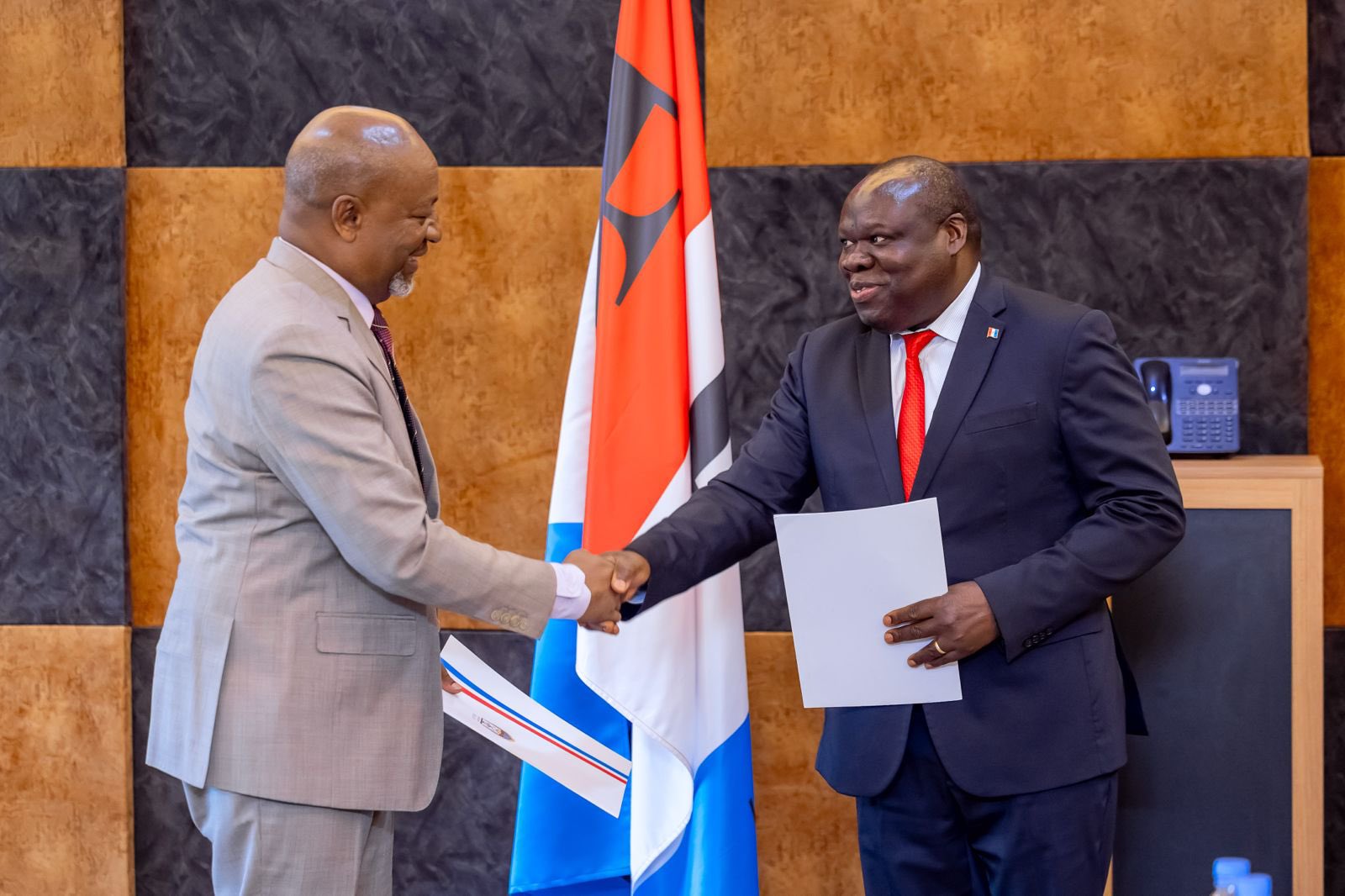
The RPF, by contrast, adjusts early, calmly, and effectively, demonstrating the benefits of proactive institutional design. Maybe one can assimilate the RPF into the Chinese Communist Party.
So, yes, the new executive team exemplified leadership renewal without disruption. There was no paralysis, no internal contestation, and no operational vacuum.
Work continued seamlessly, structures remained intact, and life moved on. A handover was even immediate, within hours. Done.
In contrast, even minor leadership changes in many other parties often spark internal battles, expose weaknesses, and erode public trust. Here, the transition was absorbed naturally, as part of the Party’s normal institutional rhythm.
But wait a minute; that’s not a call to complacency. The dynamism alone is not enough. Being adaptive and fluid keeps a party alive and contemporary, but stability can lull any organization into complacency.
Continuous failure, ignored warning signs, or unaddressed problems can quietly become a culture. As times pass by, political winds turn the tide, and things can turn out to be different. Authority must remain functional, responsive, and disciplined. Leadership should serve organizational needs, not personal ambitions.
Challenges, both emerging and persistent, remain ever-present. Since the RPF is the ruling party, it should bear the burden to be accountable.
Unemployment continues to weigh on society. Service delivery can feel rigid, overly bureaucratic, and occasionally undermined by masked sabotage. You all heard the Chairman going too detailed up to a reckless receptionist!
Running a coalition government adds another layer of complexity. Some partner parties contribute actively, others are docile, and a few add little to no value. They are simply parasites. So the RPF has to ensure it checks them, and at the same time deliver to the political contract of the coalition, while delivering to the mandate of the tenure to us, the citizens.
This delicate balance often requires the RPF to shoulder the bulk of responsibilities itself.
Complicating the landscape further is the reality of three distinct brands: Brand PK, Brand Rwanda, and Brand RPF. Note the hierarchy! That’s my theory, and the choice of terminology is mine alone. Leave it as it is.
I have noticed that each brand is perceived and treated differently by citizens, institutions, and partners. For RPF, this should necessitate reflection and strategy, ensuring the brands complement rather than compete with one another.
One major advantage, however, is the chairman’s (Brand PK) concentrated authority. His power is institutional and legitimised; he can guide change and leadership without making unnecessary, painful, and complicated trade-offs or navigating slippery political terrain.
This is both a stabilizing force and a strategic asset for the Party. In other words, PK is capable of administering authority, leading the party and the country uninterrupted. That’s a rare scenario in the world we live in today. What strikes me the most is the humility with which PK carries himself. But that’s a different story, to be told another day.
Mind you, Brand PK is both strong within the country and abroad. When my team and I land in one African country, the immigration officer looked at our passports and said, “Ooh.. you are from Kagame’s country, please go through..your passports will be given to you outside…no need to queue.” Brand PK made us look celebrities. I hear in Asia the Rwandan passport is trusted more than any other, because they know in PK’s land, you cant acquire a fake passport.
Semantics aside, my main point is that the 17th Congress should be seen as a checkpoint. The RPF has demonstrated that it can evolve quietly, effectively, and without drama. That is what has provided the stability under which all the successes are unchored upon. And we all benefit.
However, the greater challenge ahead is maintaining that agility over time, under pressure, and in less forgiving circumstances. Dynamism is essential, but it must be paired with vigilance, responsibility, and a relentless focus on addressing both emerging and long-standing challenges before they solidify into systemic issues.
Mbifurije Noheri Nziza n’Umwaka mushya muhire.