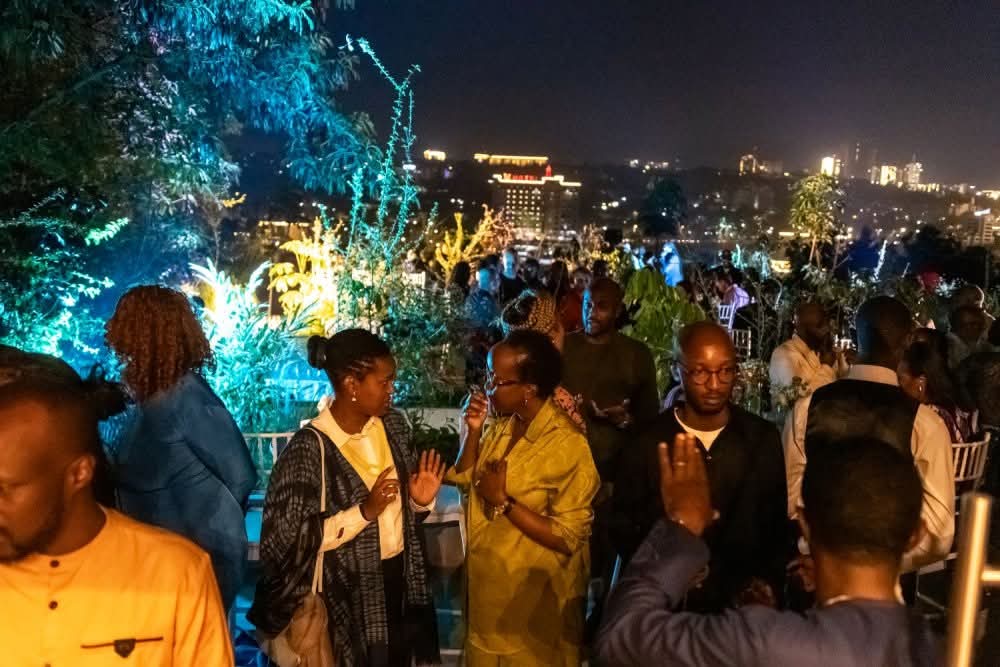





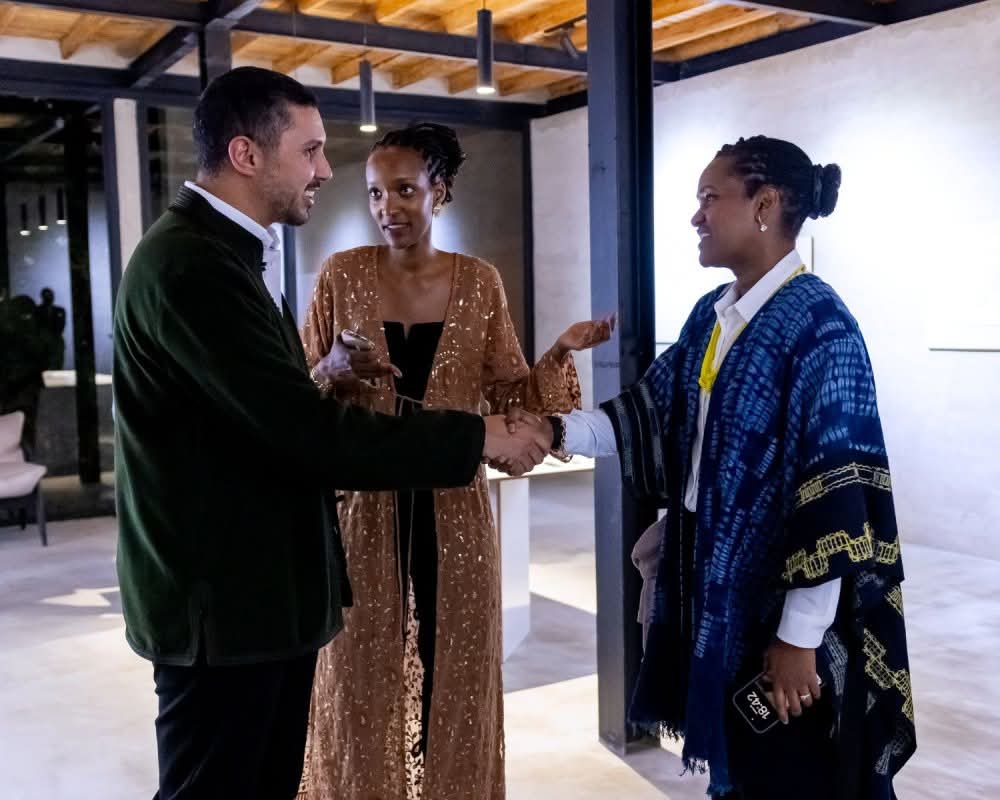
Rwanda’s contemporary art landscape reached a historic milestone with the official opening of the Gihanga Institute of Contemporary Art (GICA) on Saturday, December 20, 2025.
As the country’s first non-profit institution dedicated exclusively to contemporary art, GICA launches with a bold vision: to provide a platform for artistic practice, research, education, and critical cultural exchange rooted in Rwanda and connected to the world.
Located in Kigali’s Kimihurura neighbourhood, the 777-square-metre institute was designed by acclaimed Rwandan architect Amin Gafaranga. The purpose-built space features state-of-the-art facilities, including exhibition galleries, a library, artist studios, performance and screening spaces, all carefully conceived to support artistic production and public engagement at an international standard.
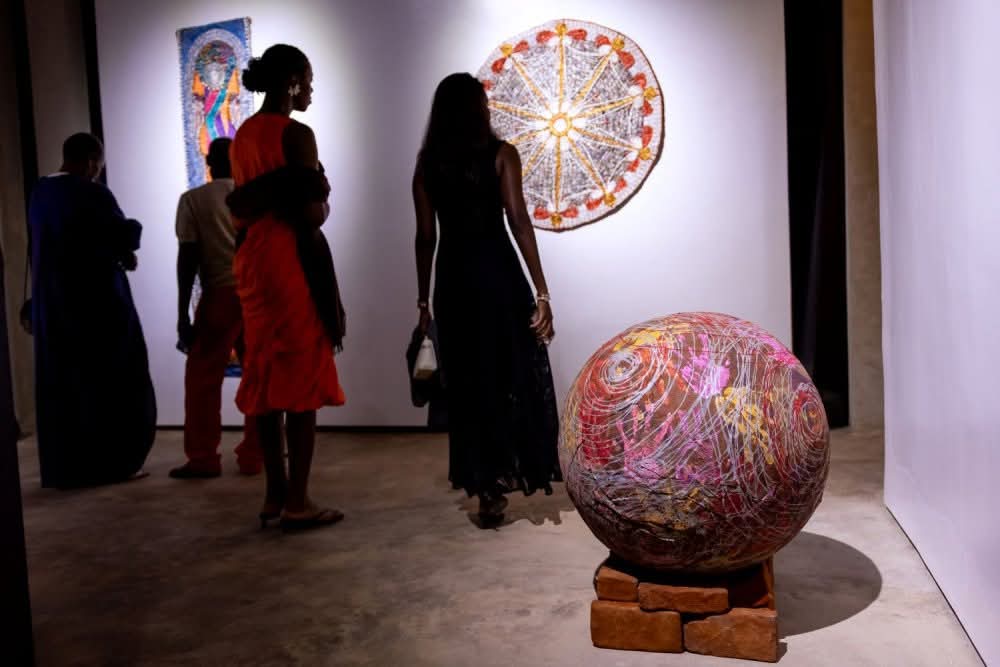
GICA opened its doors with its inaugural exhibition, Inuma: A Bird Shall Carry the Voice, curated by the institute’s co-founder Kami Gahiga.
The exhibition brought together an outstanding group of artists from Rwanda and across the continent, including Francis Offman, Kaneza Schaal, Innocent Nkurunziza, Feline Ntabangana, Christian Nyampeta, Sanaa Gateja, and Cedric Mizero.
Their works explore themes of memory, migration, spirituality, resilience, ecology, and the dialogue between traditional and contemporary practices.
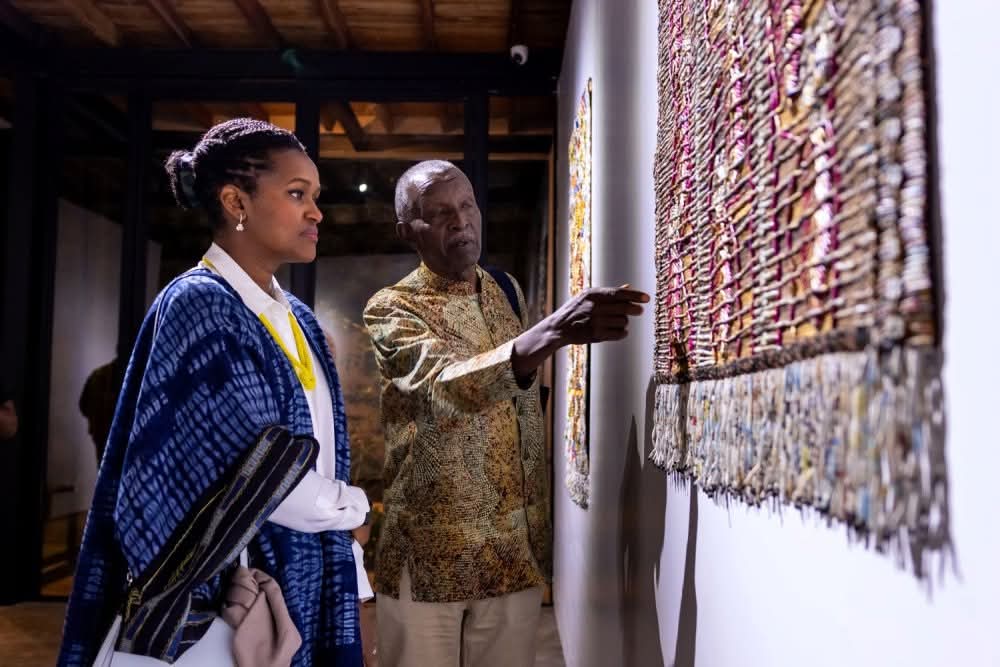
The title Inuma—meaning “dove” in Kinyarwanda—symbolises gentle strength and communication across generations and borders. Through diverse media such as beadwork, barkcloth painting, photography, sculpture, performance, film, and drawing, the exhibition offered a powerful introduction to the depth and complexity of contemporary African artistic expression.
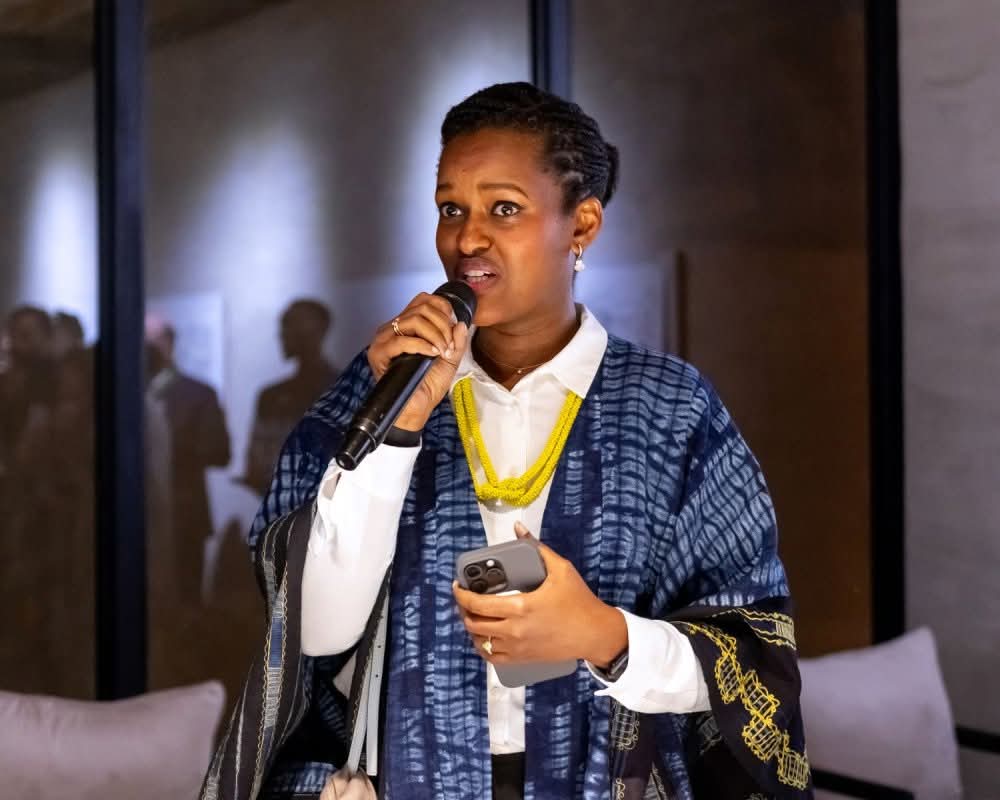
Speaking at the opening, Sandrine Umutoni, Rwanda’s Minister of State for Youth and Arts, described the inauguration as a defining moment for the nation’s cultural sector.
“This space makes art accessible to everyone,” she said. “Art connects, educates, and has a powerful impact on society. GICA sends a strong message that art belongs to all, not just the elite.”
International voices also welcomed the initiative. Othman Lazraq, founder of the Museum of African Contemporary Art Al Maaden (MACAAL) in Marrakech, praised GICA’s non-commercial model.
“This space gives visibility to artists from Rwanda and beyond,” he noted. “It creates hope for the next generation by offering a platform where young artists can think freely about the future of their craft.”
Reflecting on the journey behind the institute, Kami Gahiga emphasised its community-driven foundation.
“This is a place for Rwandans, by Rwandans,” she said. “It took a village to build this space, and we are deeply grateful for the support. GICA is about showcasing our talent, our love for this country, and giving voice to perspectives that are often quieter.”
Named after Gihanga, the legendary Rwandan cultural hero, the institute honours a legacy of innovation and knowledge-sharing. Its establishment represents a major boost to Rwanda’s creative arts industry—providing infrastructure, visibility, education, and international exchange opportunities that will empower artists, inspire young creatives, and position Kigali as a key cultural hub in Africa.
With its inaugural exhibition setting a strong foundation, GICA signals a confident step forward for Rwanda’s contemporary art scene—one that affirms creativity as a vital force in national identity, education, and global dialogue.