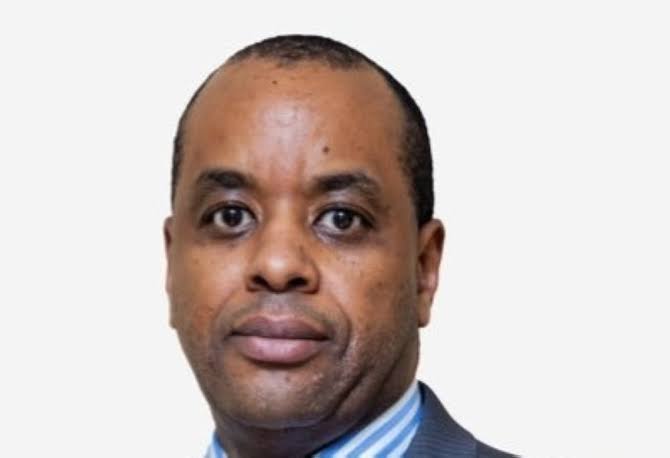



Rwanda’s economy is set for a strong finish to 2025 and a strong performance next year, according to Nick Barigye, Deputy Governor of the National Bank of Rwanda.
Barigye noted that global, regional and domestic indicators all point towards sustained growth and declining inflation.
“The Economy is growing, and inflation is slowing down. Within the region, the same trend is happening, when we bring it home, we see the same trend. our economy is growing,” he said.
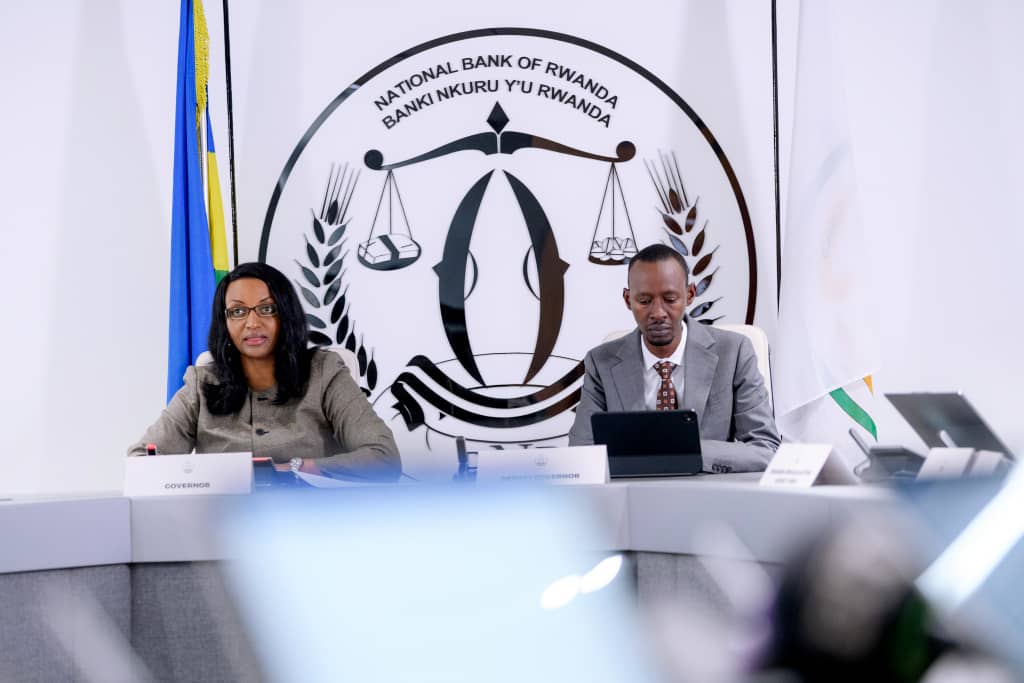
He was speaking in the Interview with CNBC following the quarterly Monetary Policy Committee (MPC) and Financial Stability Committee (FSC) press briefing held on 20 December 2025.
At the centre of the MPC’s decision was the move to maintain the key repo rate at 6.75 per cent, a stance the Bank says is appropriate for keeping inflation within the 2–8 % target band while ensuring continued credit flow to the economy.
According to Barigye, “Inflation has increased, but it is projected to decline on average by the end of the year and fall further in the following year.
At this point, he said that the central bank rate was maintained.
The decision followed a comprehensive review of global, regional and domestic economic developments for the third quarter of 2025.
Globally, economic conditions were more resilient than expected. The International Monetary Fund projects global GDP growth at 3.2 % in 2025, moderating to 3.1% in 2026.
Growth in Sub-Saharan Africa is expected to reach 4.1% in 2025 and 4.4% a year later. Global inflation continues to ease, with projections falling to 4.2% in 2025 from 5.8% in 2024.
Commodity markets also provided relief, with energy prices projected to fall by 12.4% this year and crude oil prices expected to decline by nearly 16% in 2025.
Food prices are projected to drop by 6.1% globally, which should reduce imported inflation.
However, inflation across Sub-Saharan Africa remains elevated at 13.1%, largely reflecting pressures in a few economies facing currency instability and volatile food prices.
Domestically, Rwanda’s external sector demonstrated notable strength.
Official data indicated that merchandise exports grew by 15% in the third quarter, driven by higher earnings from coffee, tea and minerals.
Non-traditional exports surged by more than 50% due to strong regional demand for processed goods such as cooking oil and wheat flour.
Imports increased at a slower pace of 7.4%, resulting in only a modest 2.8% rise in the trade deficit.
Strong tourism receipts, robust air transport activity and stable remittance inflows helped maintain adequate foreign-exchange reserves, which stood at 4.2 months of import cover, above the four-month threshold.
These developments supported a more stable Rwandan franc, which depreciated by only 4% by end-September 2025, a significant improvement compared to 6.5% during the same period in 2024 and 13.7% in 2023, according to the central bank.
The improved stability reflects stronger export earnings, adequate foreign-exchange reserves and reforms in the domestic FX market that helped limit speculative behaviour and enhance discipline in price formation.
External conditions, including the weakening of the US dollar in recent months, also reduced pressure on many frontier and emerging market currencies. Barigye noted that: “Globally, we are examining whether economies are growing and whether inflation is coming down… Domestically, we see the same,”
Economic growth within Rwanda remains solid.
GDP expanded by 7.8% in the second quarter, supported by services, mining, manufacturing and steady agricultural performance.
Monetary conditions also eased, with interbank rates slipping to 5.85% in the third quarter from 7.25% a year earlier.
Lending and deposit rates continued to decline, though with the usual lag relative to policy rate adjustments.
Inflation averaged 7.2% in the third quarter up from , driven by higher core and energy prices, but it remained within the central bank’s 2–8% target range.
The Bank projects headline inflation to average 6.9% in 2025 before easing further to 5.8% in 2026, according to the deputy governor.
The financial sector continues to demonstrate impressive performance and resilience.
Barigye highlighted that: “In the financial sector, impressive growth is being seen, from increased cashless uptake in Rwanda to significant asset growth.
Assets of all financial institutions have grown substantially.
Newly authorised loans have increased… When the economy performs well, actors seek financing, which further drives the growth of the financial sector.”
The sector remains well-capitalised, liquid and stable, with non-performing loans staying below the central bank benchmark.
Looking ahead
“Overall, the financial sector is performing well. Looking at both monetary policy decisions and financial sector evaluations, the outlook remains positive,” Barigye added.
Despite these gains, risks remain. Weather related shocks, geopolitical tensions and shifts in global trade policies are closely monitored. The Deputy Governor said.
In the insurance subsector, extended credit through premium financing poses liquidity concerns, while cybersecurity threats continue to grow as digital payments expand.
“Risks will always be present. What matters are the mitigations in place and continuous stress testing to evaluate how risks would be handled if they materialise,” said the deputy governor.
Looking ahead, Barigye expressed confidence in Rwanda’s economic trajectory.
“Looking ahead, inflation is forecast to decline further in the coming years. GDP growth is rising, and the financial sector continues to expand, contributing to overall optimism.”
He stated that the current central bank rate remains appropriate, with future decisions guided by evolving conditions.
“Global reports show positive projections for growth and declining inflation… Expectations are for a strong end to the current period and an even stronger outlook for the following year,” he noted.
With strong economic growth, easing inflationary pressures, a stable currency and a resilient financial system, Rwanda is well-positioned to maintain its upward momentum and enter the coming year with renewed confidence and stability, the deputy governor concluded.
The Author Jean d’Amour Mbonyinshuti is a staff of the Central Bank of Rwanda