





Rwanda’s mining sector is set for a major uplift after the Rwanda Mining Board (RMB) announced the discovery of 10 new sites rich in high-value minerals including cassiterite, coltan, wolfram, lithium, and other rare resources.
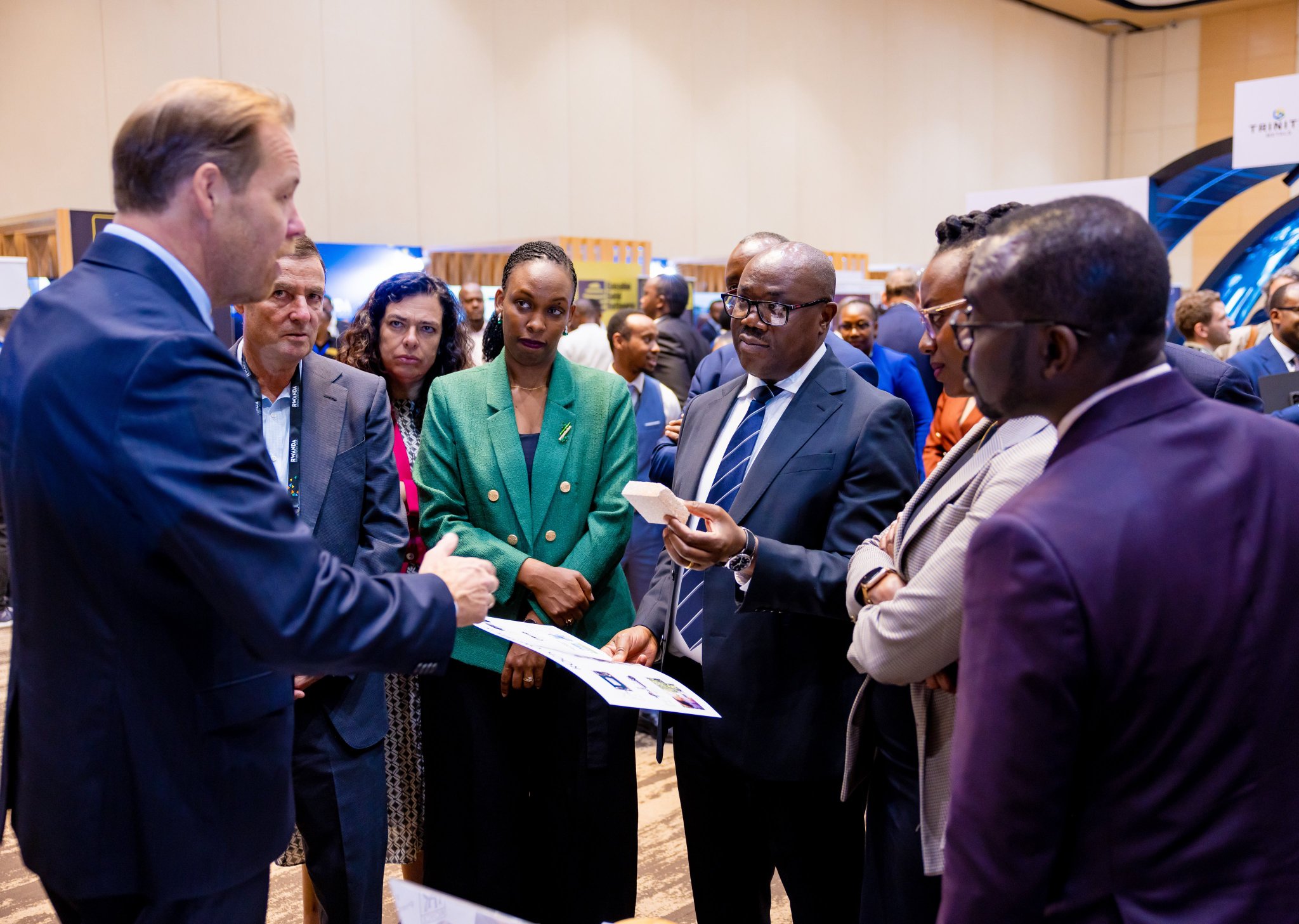
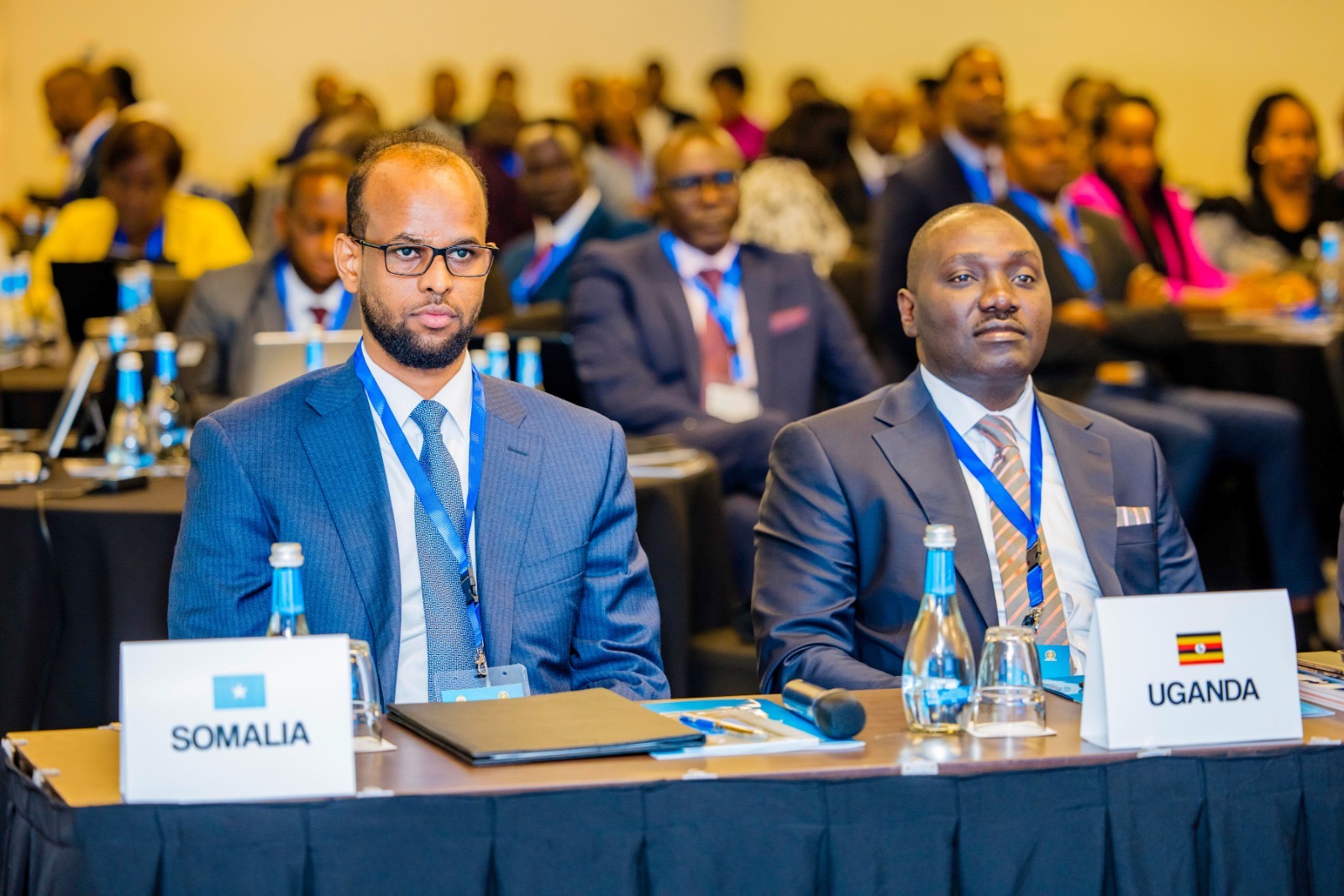
The new sites were unveiled to over 200 people attending a mining week conference held in Kigali.
The discoveries mark a significant step toward expanding Rwanda’s mineral portfolio already one of the country’s top export earners.
According to RMB, the newly identified areas fall under three strategic categories:
Four sites designated for 3Ts mining (tin, tantalum, tungsten) and associated minerals
Four sites allocated to exploration, where geological studies will determine long-term extraction potential
Two sites reserved for gemstone mining, reflecting Rwanda’s push into high-value jewelry-grade minerals
This marks the second major discovery announcement in less than a year.
In May 2025, RMB unveiled another set of 10 mineral-rich locations spanning more than 13,454 hectares across the country.
The rapid pace of exploration reflects ongoing national efforts to map Rwanda’s underground wealth more systematically, attract investors, and expand the mining sector’s contribution to GDP.
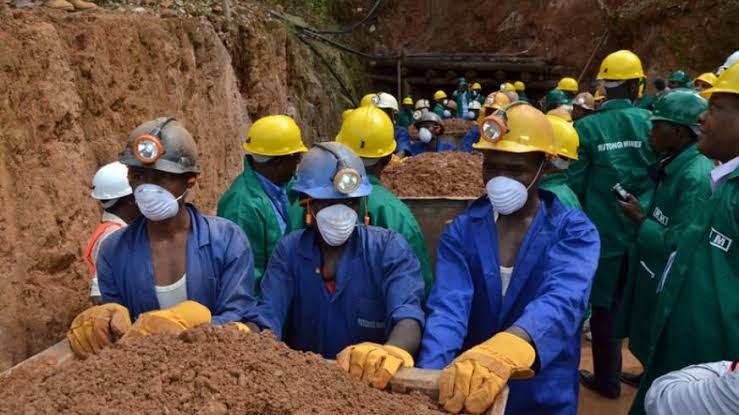
Rwanda has in recent years modernized its mining governance, embraced digital tracking of minerals, and encouraged responsible and mechanized extraction.
Rwanda’s mining sector is evolving. From artisanal roots to a high-tech future. CEO Alice Uwase highlighted the country’s leap into modern, value-added mineral extraction.
“Our mining sector has undergone significant transformation. From early geological surveys and artisanal beginnings, to a modern and diversified mining landscape.” Alice Uwase, CEO Rwanda Mines, Petroleum and Gas Board. (RMB).
She added, we are advancing towards a mechanized mineral extraction, on-site beneficiation, as well as advanced value addition involving refining facilities for gold, tin and tantalum already operational in Rwanda.
The latest discoveries come at a time of rising global demand for minerals used in electronics and green technologies—particularly lithium and coltan, essential for battery manufacturing.
With additional sites now entering the pipeline, officials say the country is better positioned to diversify production, create jobs, increase export revenues, and strengthen its role in the global minerals market.
The new locations are expected to open doors for partnerships with both local and international investors eager to tap into Rwanda’s growing mining landscape.
These discoveries underscore a broader economic ambition: to transform Rwanda from a traditional miner of 3Ts into a competitive hub for high-value minerals that power the world’s digital and energy transitions.
By Andrew shyaka